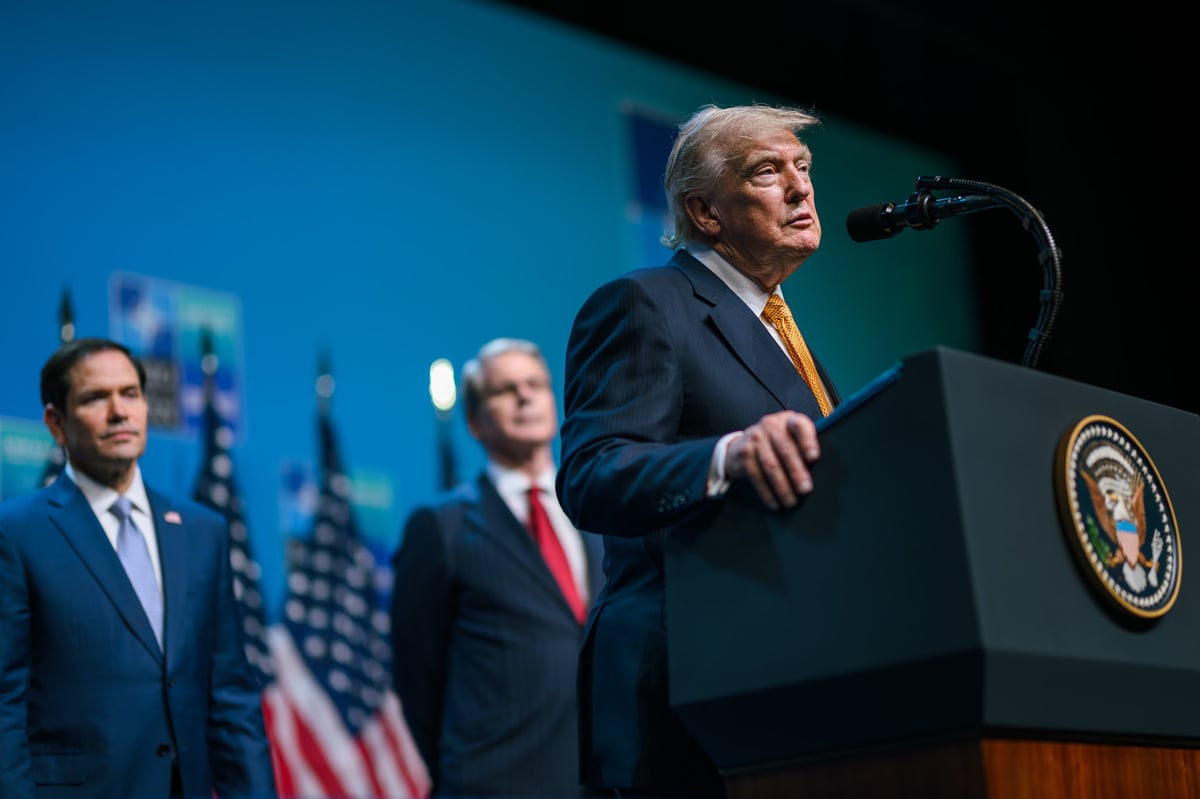
Trump Warns Inflation Will Devalue U.S. National Debt
President Donald Trump’s time in the White House has historically correlated with strong stock market returns, with the benchmark S&P 500 up over 39% since his inauguration in late 2024. Yet that market enthusiasm now faces a severe reality check. While investors have largely overlooked macroeconomic hurdles like tariffs and structural deficits to chase pro-business policies, an interview with Time Magazine revealed a stark fiscal warning. Trump suggested that higher levels of inflation could help pay down the national debt “very rapidly” by devaluing the U.S. currency, effectively signaling that the administration may maintain inflationary policies to manage its $40 trillion in debt.
The Bottom Line:
- The information technology sector accounts for a whopping 40% of the S&P 500’s market cap, leaving the broader equity market dangerously concentrated.
- U.S. inflation sits at 3.7%, keeping the Federal Reserve’s rate-cut timeline restricted and driving up Treasury bond yields.
- Brent crude prices have climbed 55% since the start of the year, driven by the ongoing war in Iran and rising geopolitical tensions.
The Tech Concentration Risk Behind the S&P 500 Surge
The S&P 500 currently trades at 7,376.86, supported heavily by excitement over deregulation and tax cuts stemming from the One Big Beautiful Bill Act. The administration has thrown its weight behind massive energy projects and data center construction required for the generative artificial intelligence buildout. According to CME Group, tech equities now make up 40% of the S&P 500 market capitalization. That massive weighting masks a lackluster broader economy. Wall Street’s laser focus on AI infrastructure has allowed institutional players to bypass the alarming realities of soaring debt issuance, rising import tariffs averaging 9.6%, and persistent economic challenges.
Meanwhile, the macroeconomic picture outside of equities is flashing distinct warning signs. Inflation remains at 3.7%, forcing the Federal Reserve to keep borrowing costs elevated well above its 2% target. Compounding this, the ongoing conflict in Iran has sent Brent crude surging 55% year-to-date. Goldman Sachs has raised its year-end Brent forecast to $105 per barrel amid fears of severe infrastructure targeting in the Persian Gulf and Hormuz shipping disruptions.
National Debt Crosses Threshold as Treasury Yields Climb
The national debt has officially crossed the $40 trillion threshold. When the White House floats inflation as a deliberate mechanism to devalue that public liability, Treasury bond yields react. Treasury yields serve as the risk-free rate anchoring the entire financial system. As bond yields climb, the cost of capital for corporate expansions spikes. Retirement savers holding standard 401(k) allocations face a quiet erosion of purchasing power. Even if a portfolio matches the S&P 500’s historical 10% nominal return, a 3.7% inflation rate strips the real rate of return down to roughly 6.3%. Wage earners and retirees bear the brunt of this, watching their cost of living climb faster than their fixed incomes or savings yields can accommodate.
Market analysts note that recent midterm election results could act as a crucial legislative check against the administration’s more aggressive fiscal blueprints, such as a proposed $1.5 trillion military budget. A moderated federal spending path could alleviate some of the upward pressure on Treasury yields and calm the bond market. Until fiscal policy aligns with monetary stability, retail investors are urged by financial planners to diversify their asset allocations carefully across multiple sectors to avoid outsized downside exposure should the tech-driven equity rally falter.
Disclaimer: The information provided in this article is for educational and market analysis purposes only and does not constitute financial, investment, or legal advice. Always consult with a certified financial professional before making investment decisions.

Paul Campbell Passes Away After 30 Years of Car Detailing Service
In the early morning of November 3, Paul Campbell passed away, leaving behind a community that knew him...

Hartford Insurance Group Increases Quarterly Dividend by 12%
Hartford Insurance Group Raises Quarterly Dividend by 12 Percent Hartford Insurance Group announced a 12% increase to its...

What happened last night at this hospital was an affront to the wishes of the American people and
Mayor-elect Condemns Midnight Federal Operation “What happened last night at this hospital was an affront to the wishes...

Auburn defeats Arkansas 26-23 at Jordan-Hare Stadium
Arkansas Blows Lead in 26-23 Loss to Auburn at Jordan-Hare Stadium Byrum Brown scrambled out of a missed...