Countryside managers across the North Pennines National Landscape have adopted a new five-year strategy focused on climate readiness and public access, supported by local authorities including Cumberland, Westmorland and Furness, County Durham and Northumberland councils. The blueprint targets the growing pressures of altered weather patterns across upland habitats.
Priorities for the North Pennines National Landscape Management Plan 2026-31
The management plan, formally adopted by regional councils, prioritizes adaptation to warmer, wetter winters and hotter, drier summers
as upland areas face escalating risks from rising temperatures and severe weather events. National landscapes, formerly known as areas of outstanding natural beauty, encompass heather moors, dales, woods, and significant geographical landmarks such as the High Force waterfall.
Chris Woodley-Stewart, director of the North Pennines National Landscape (NPNL), described the strategy as ambitious yet grounded. In many ways, its the most ambitious plan that we’ve ever had, but also the most realistic,
Woodley-Stewart said. He emphasized that the guidance relies entirely on cooperative implementation rather than punitive enforcement, noting that there’s no stick here, it’s all carrot
and that everyone has a role to play in its implementation.
Mitigation and Wildfire Prevention in Uplands
Upland ecosystems remain especially vulnerable to the effects of climate change,
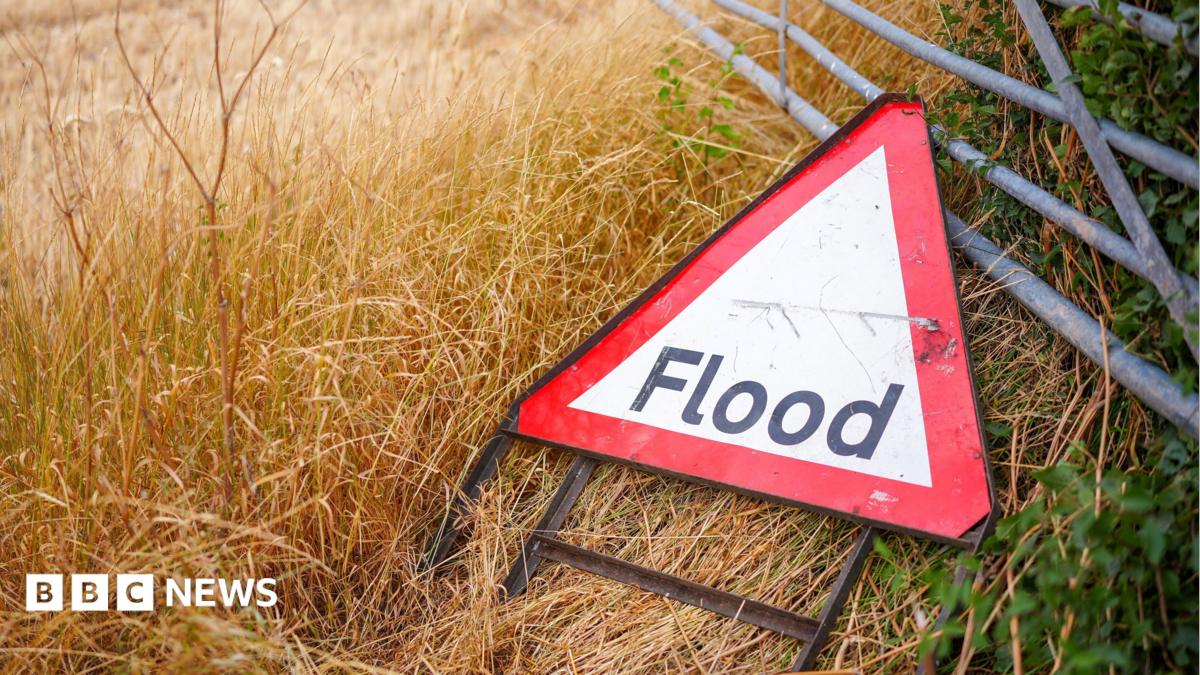
according to assessments by the North Pennines National Landscape, which is primarily funded by the government and other charitable organisations. Mitigation efforts center on preserving existing woodlands and restoring carbon-rich peat soils. These restoration projects serve dual purposes, safeguarding fragile habitats while improving water quality and reducing flooding
for downstream communities.
Collaboration with major local landholders has driven practical wildfire defenses. Raby Estates, one of the region’s largest land managers, partnered with NPNL on wildfire prevention measures including managing its farmers’ fuel loads and providing firefighting equipment. Duncan Peake, chief executive at Raby Estates, highlighted the tactical inclusion of advanced technology for monitoring blazes. drone equipment to help spot fires was a
Peake said.really significant, additional tool in our wildfire control kit,
Estates Welcome Young People to Foster Agricultural Understanding
Beyond ecological restoration, the five-year roadmap coordinates with farmers seeking training and equipment to host educational farm visits. Estates are already welcoming groups of mostly young people who wouldn’t normally have an opportunity to come to the countryside
to foster a deeper public understanding of agricultural practices.
Woodley-Stewart noted that while participation cannot be forced, the initiative aims to cultivate broad communal ownership of the region. You can’t make people come to the countryside and invest in the local economy, but you can help to create circumstances in which they feel this landscape is for everybody,
he stated.
Assessments Inform State Plans to Prepare for Climate Change
Research released by California Governor Gavin Newsom details how climate conditions are changing across the state and what communities can expect, noting that California’s Climate Change Assessments have helped inform the plans, policies and investments that shape how we prepare for and respond to climate change since 2006. By 2100, projected temperature increases range between 5.7°F (3.2°C) to 8°F (4.4°C).
Worth a look

WHO and Yemen aim to vaccinate 957,196 children against measles and rubella
Reaching Nine Hundred Thousand Children Across Southern Yemen in a New Measles and Rubella Drive Nearly one million...

PNP reports P91.8 million worth of illegal drugs seized in operations
Seized Shipments Total P91.8 Million as Authorities Target Supply Chains According to a Sunday report by the Philippine...

Participants in a clinical study breathed into a specially designed instrument to generate tiny
Measuring Lower Airway Antibodies Through Exhaled Breath Participants in a clinical study breathed into a specially designed instrument...
Karnataka Government Alleges Excessive Ethanol Blending in Petrol Amidst Oil Companies’ Denial
On Sunday, Karnataka Chief Minister DK Shivakumar criticized the Centre regarding accusations of excessive ethanol blending in petrol,...