
In a column for Alabama Reflector, writer Brian Lyman argues that great teachers like Mark Massa, S.J., treat students as intellectual peers and that Alabama’s teachers may soon face more struggles.
Lyman recounts Massa’s classroom presence at Fordham University, where the priest and scholar of American Catholicism used the Socratic method and enforced punctuality with sarcasm. “Good morning! How are we today?” Massa would greet late arrivals, Lyman writes. One student overslept; Massa collected a quarter from the class, walked to a pay phone, and called the dorm. The student arrived breathless before the period ended.
Massa challenged church teaching openly. Yet Massa’s most effective tool was respect: “He treated our opinions, no matter how far off they might have been, with respect and encouragement.” When Lyman noted a recommendation letter placed him at an honors ceremony he never attended, Massa replied, “Well, we know that, but they don’t.”
Born Sept 13, 1950, in Shadyside, Ohio, he entered the Society of Jesus in 1968, was ordained in 1980, and earned a doctorate in American religion at Harvard. He spent 1987–2010 at Fordham, then moved to Boston College, returning to Fordham as Loyola Visiting Chair.

His books include Catholics and American Culture: Fulton Sheen, Dorothy Day, and the Notre Dame Football Team, which won the Association for Jesuit Colleges and Universities/Alpha Sigma Nu Award for Outstanding Work in Theology for 1999–2001, and The Structure of Theological Revolutions: How the Fight Over Birth Control Transformed American Catholicism. Colleagues noted he hated football, once asking, “Is that the oblong ball made out of pig?”
At a champagne reception after a Curran Center lecture at Fordham University 21 years ago, Mark Massa, S.J., introduced himself by asking, “What’s your G.P.A.?” the author reported in America Magazine. The greeting felt ironic because Massa embodied cura personalis — care for the whole person — more than anyone the author had met.
Friends said Massa often joked, “Numbers come to me quickly, just not reliably,” a habit that surfaced when he misstated his novitiate entry year in interviews. Between master’s degrees at the University of Chicago and Weston Jesuit School of Theology, he taught at Walsh Jesuit High School in Ohio during formation.
Massa formed bonds with undergraduates that endured for decades, Lyman wrote in Alabama Reflector.
Colleagues at Fordham and Boston College joined former students in an outpouring of grief after his Nov. 15 death. Lyman observed that losing a great mind is hard, “even harder when that mind works with a generous soul.”
Lyman pivots from tribute to warning. “Alabama’s teachers may soon face more struggles,” he writes.
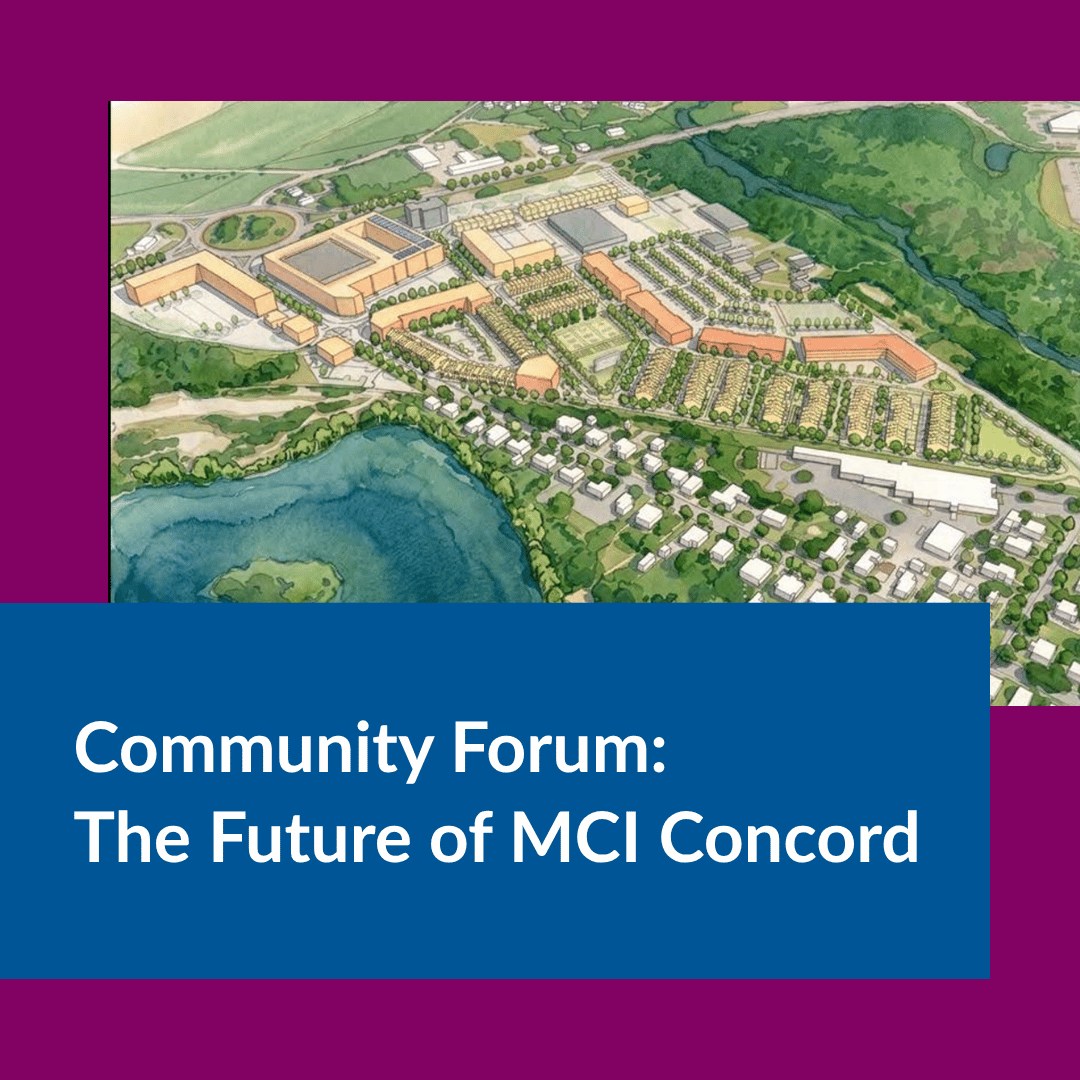
Legislators Urge MCI-Concord Rezoning Vote at May Town Meeting
State legislators are pressing Concord to hold a rezoning vote at the May Town Meeting to guide redevelopment...

Barry Houser Discusses Marching Illini History and Macy’s Parade
Barry Houser credits an unexpected turn of events for helping shape his journey to Illinois, journeys.illinois.edu reported. Houser...

Maine Fermentation Shop Adapts Korean Kimjang Tradition to Build Community Resilience and Food Sovereignty
On November 8, twenty people gathered at Island Creek Oysters in Portland, Maine, for the sixth annual kimjang...

Milwaukee South Side Residents Fear Safety Over Streetlight Outages, Possible Gunfire
Residents near South 10th Street and West Rogers Street on Milwaukee's South Side say repeated streetlight outages have...