
After fifteen years of operating in the legislative minority, Wisconsin Democrats are preparing to assume control of state government, signaling a potential sea change for policy areas ranging from school funding to the state’s approach to environmental regulation.
State Assembly Rep. Jill Billings, a Democrat from La Crosse, recently sat down with The Rick Solem Show on WIZM 92.3 FM / 1410 AM / 106.7 FM to discuss the party’s transition into power and the specific priorities they intend to elevate.
The shift to a Democratic trifecta marks a significant departure from the political landscape that has defined Wisconsin. During that period, legislative power was firmly held by Republicans, often leaving Democrats on the sidelines of major policy debates. Billings emphasized that the new majority is looking to finally bring long-standing party priorities to the floor for meaningful debate and action.
A primary focus for the incoming majority is a potential overhaul of the state’s school funding formula. The current system has long been a point of contention for local districts, particularly regarding how property taxes are leveraged to support education. For residents on fixed incomes, the volatility of property tax bills has become a recurring financial burden.
Billings indicated that the conversation involves making these taxes more manageable while ensuring that classrooms remain adequately funded.
Beyond education, the economic agenda includes the potential legalization of marijuana. Proponents argue that the move could generate an extra $160 million in state revenue. Currently, that money has been siphoned to neighboring states like Illinois and Michigan.
The economic argument hinges on capturing these funds to bolster state coffers, though the debate also touches on regulatory frameworks and public safety. While the revenue potential is significant, the legislative process will likely involve intense negotiations regarding how that money is allocated and how the state regulates the industry compared to its regional neighbors.
The Democratic agenda also targets healthcare affordability, specifically through discussions about implementing a BadgerCare public option. Lawmakers are eyeing ways to lower prescription drug costs and establish price caps on insulin. Ensuring that schoolchildren have access to healthy meals is another pillar of this proposed legislative package.
Environmental concerns are equally prominent. Billings highlighted the need to prioritize clean drinking water, PFAS contamination, plastic waste and conservation funding as issues.
When asked about the role of the Republican minority in this new era, Billings addressed the question of whether the GOP should have a seat at the table. Given that Democrats were ignored on most issues while Republicans controlled state government, the dynamic of the upcoming session remains a matter of significant public interest.
“We want to make sure that our priorities are finally heard,” Billings told The Rick Solem Show. The question of whether the new majority will adopt a more inclusive approach to redistricting and map-drawing—potentially moving toward a nonpartisan approach to drawing legislative maps—is also expected to be a major topic of debate.
As the legislature prepares for the upcoming term, the transition represents more than just a change in leadership; it is a test of how the state government will handle the shift from a period of intense partisan divide to a new governing reality.
Keep reading
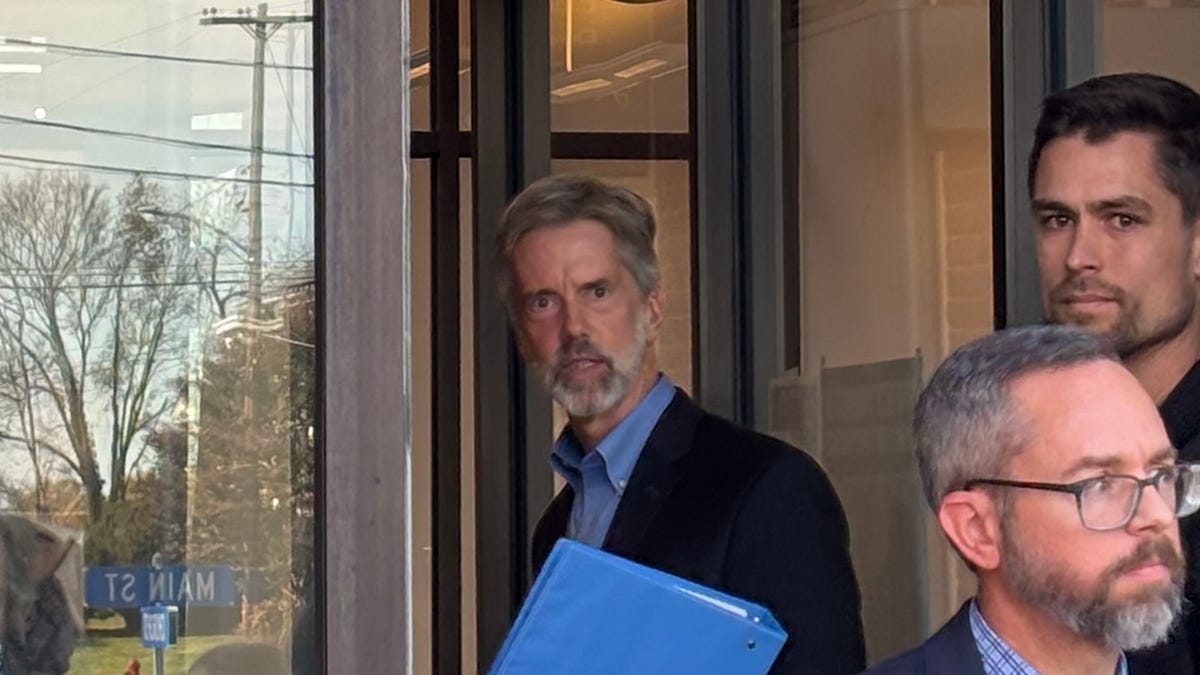
Jeremiah Pent’s Walker’s Chapel Lawsuit Continued Until February
At least 50 supporters packed the Madison County Circuit Court gallery on Nov. 4, bringing children and signs...
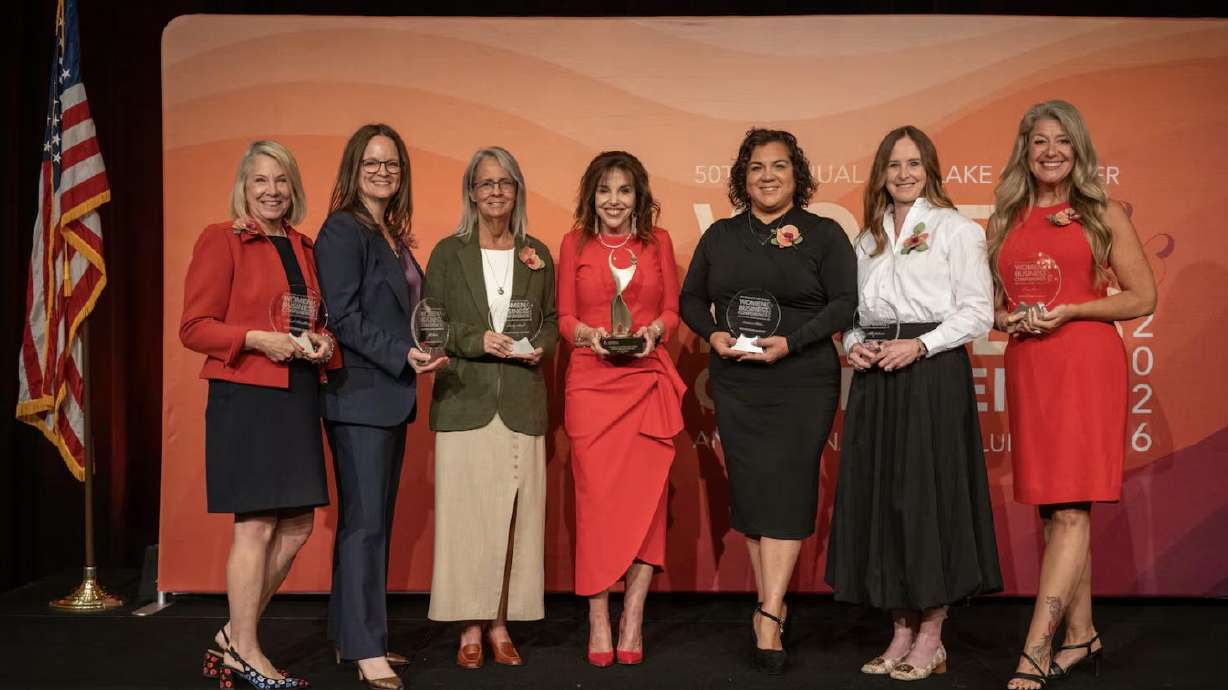
Salt Lake Chamber Honors Utah Women Business Leaders
Sandi Sumner Hendry founded a luxury blanket company out of her car trunk after a hospital stay, and...

Texas Bluebonnet Award 2027-2028 List Announced at Texas Book Festival
Students in grades 3–6 across Texas helped unveil the 2027–2028 Texas Bluebonnet Award list on Saturday at the...
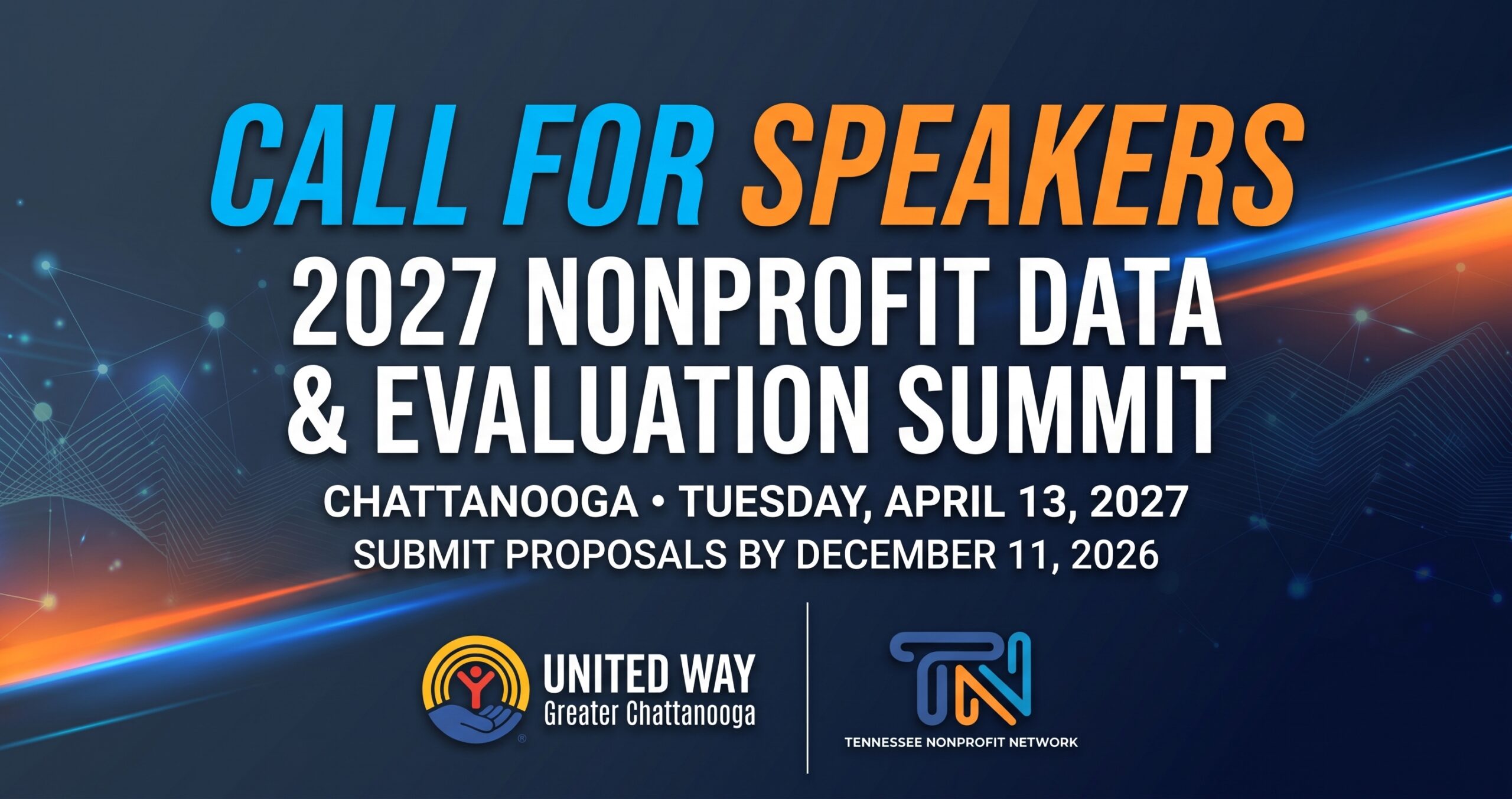
Nonprofit Data and Evaluation Summit: Call for Speakers 2027
Nonprofits across the state face mounting pressure to prove their programmatic value through hard numbers rather than good...