
“We are going to deliver bold action for Wisconsinites,” Rep. Greta Neubauer (D-Racine) said in a statement following her election as the next speaker of the Assembly, according to the Wisconsin Examiner.
The incoming Democratic majority in the Wisconsin Legislature prepares to take control of state government in January, which will change the state's environmental and energy trajectory. This transition comes as the federal Trump administration moves to roll back environmental protections and prioritize extractive industries, setting the stage for a direct policy confrontation between state and federal priorities.
Democrats aim to use their new authority to address several high-stakes issues that defined recent campaigns, including energy affordability, the rise of massive AI data centers, and the contamination of groundwater. While state officials cannot solve global climate change, they hold significant power over the regulation of air and water, the oversight of electric utilities, and the management of public lands.
Data center growth pressures Wisconsin electric grid
One of the most immediate tensions facing the new administration involves the state’s electric grid. As hyperscale data centers expand across Wisconsin to support artificial intelligence, they are demanding historic levels of energy. Currently, the state’s utilities are not required to follow long-term plans for meeting this demand, a loophole that advocates say leaves the public vulnerable.
Because utilities can currently choose how to meet increased demand without long-term mandates, many are opting to extend the life of fossil fuel plants or build new ones using coal and natural gas. Clean Wisconsin is pushing for “integrated resource planning,” a policy that would require utilities to submit future energy plans for approval by the Public Service Commission (PSC).
“Our utilities don’t have to be transparent about what they’re doing, they don’t have to have a big picture where we look at different utilities together for a full statewide energy system in Wisconsin, and that leaves us very vulnerable in this moment, extremely vulnerable as we have these AI data center projects coming in and demanding just intense amounts of energy, historic amounts of energy,” Amy Barilleaux, a spokesperson for Clean Wisconsin, told the Wisconsin Examiner.
Barilleaux noted that the PSC’s recent approval of two gas plants served as a “cry for help” regarding its lack of authority. Moving to integrated resource planning could encourage a shift toward wind and solar, which advocates argue are more cost-effective in the long term.
The high cost of PFAS contamination
Beyond energy, the fight against “forever chemicals” remains a central pillar of the Democratic agenda. While the Legislature and Gov. Tony Evers recently passed legislation to allocate $125 million for PFAS mitigation, advocacy groups argue this is only a fraction of what is required to manage the crisis.
The economic burden of these chemicals is not just an environmental concern but a public health crisis.
“It is over $100 million a year in health harms that PFAS exposure is causing right here in Wisconsin, and so these are tremendous costs. I think sometimes things get characterized as, you know, cost versus environmental protection, or jobs versus environmental protection, but really, this is people’s health on the line. It is expensive to be sick from pollution and contamination,” Barilleaux told the Wisconsin Examiner.
Clean Wisconsin is advocating for a total ban on PFAS use and increased funding to protect groundwater, surface water, and drinking water systems statewide.
Restoring the Knowles-Nelson program
A major victory for conservationists may be the revival of the Knowles-Nelson Stewardship Grant Program. The program, which has funded the purchase and maintenance of public land for nearly 40 years, expired this summer after a faction of Republicans blocked reauthorization. According to knowlesnelson.org, the program’s demise followed intense disagreements over government land conservation and the impact of state land purchases on local property tax revenues.
Democratic leaders have promised to bring the program back. At a WisPolitics luncheon on June 16, Senate Minority Leader Dianne Hesselbein stated that if Democrats achieved a trifecta, the program would be restored, noting that it has functioned well to ensure green spaces exist across the state, as reported by knowlesnelson.org.
The debate over how to restart the program involves a tug-of-war between different management philosophies. A Republican-authored proposal would have required the legislature to approve every individual land purchase, while a Democratic proposal sought to grant that authority to a separate oversight council.
Charles Carlin, the director of strategic initiatives at the land conservation nonprofit Gathering Waters, told the Wisconsin Examiner that the new political environment offers a chance to rebalance the program. He suggested the new administration could focus on both acquiring new land and developing existing public spaces for recreation and wildlife habitat.
“It feels like everybody is sort of absorbing the ramifications of the elections, what’s possible,” Carlin told the Wisconsin Examiner. He also noted that the conversation regarding public lands will likely intersect with broader debates over local government revenue, school funding, and transportation in the coming session.
As the new legislature prepares to convene in January, the focus will shift toward the state budget, which is expected to dominate the agenda next summer and will serve as the primary vehicle for funding these environmental and utility reforms.
Worth a look

Bringing Home the Flavors of Italy: 3 Simple Recipes to Try
Three simple Italian recipes can bring the flavors of a Mediterranean tour into a home kitchen, according to...

IKE Kiosks Provide Digital Services in Downtown Phoenix and Tempe
“Not everybody has a smartphone, and so to me, it’s a great equity tool,” Lori Foster said, according...

Rick Thoman Discusses Accuracy of Alaska Weather Stories
Alaskans often share stories about the changing climate, but historical records frequently tell a different story than local...
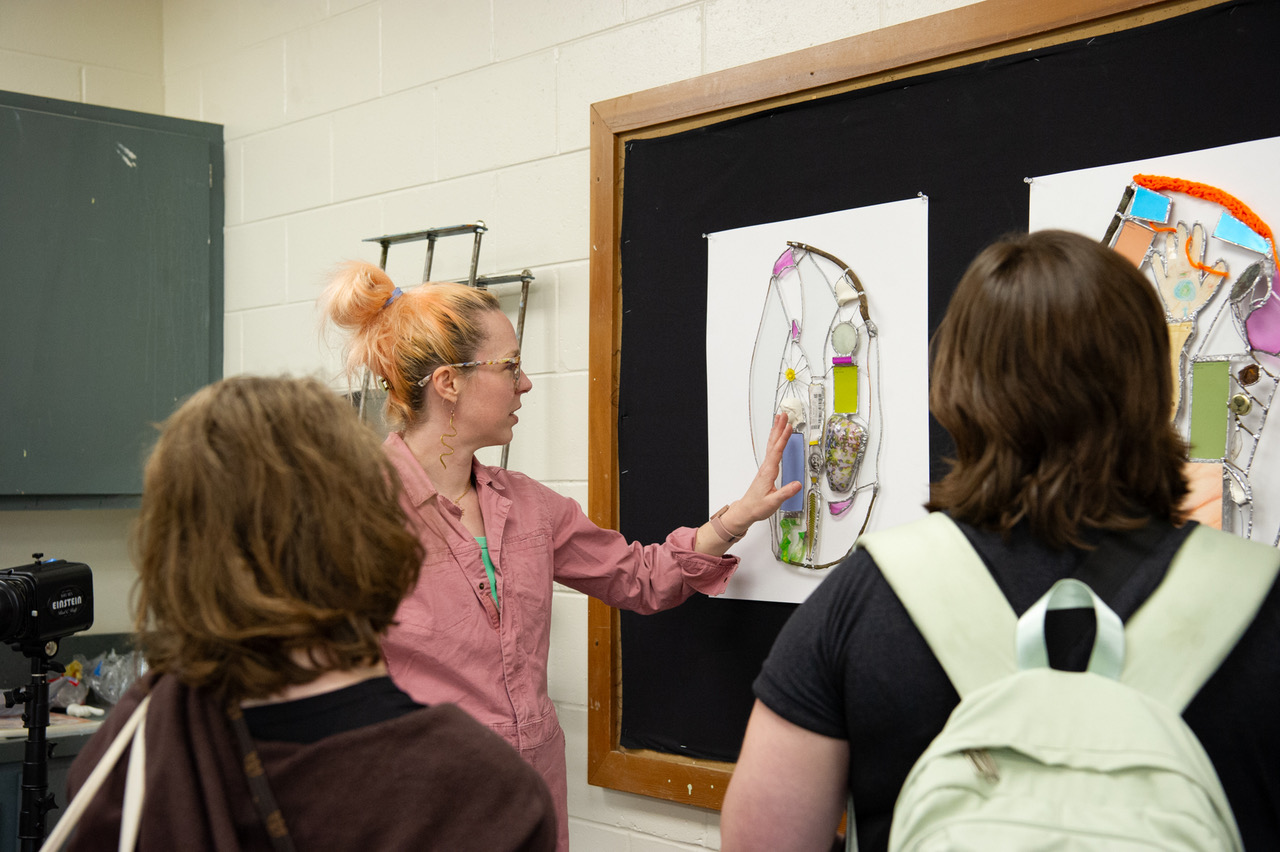
Alabama State Council on the Arts Awards $10,000 to Troy University Art & Design Program
The Alabama State Council on the Arts has awarded a $10,000 grant to Troy University’s Department of Art...