
“People care about the foothills,” Ryan Peck said, noting that they care about the trail systems they utilize every day.
After the Claremont Fire scorched more than 6,000 acres in the Boise Foothills, local experts are looking for ways to involve casual hikers in the area's recovery, KBOI reported.
While large-scale ecological restoration usually relies on organized volunteer crews, new research suggests that small, individual actions taken during routine recreation could improve the health of the region. The goal is to move beyond traditional volunteerism and integrate stewardship directly into the habits of the community.
Regenerative recreation in the Boise Foothills
Ryan Peck, whose 2025 Boise State University doctoral dissertation examined the concept of regenerative recreation, studied whether trail users could improve ecological health through simple, incremental steps. His research focused on the Ridge to Rivers trail system, testing if prompts and signage could nudge hikers and runners toward helpful behaviors.
Peck’s field experiments looked at specific tasks, such as checking footwear for invasive goathead seeds or manually removing goathead plants. However, the study highlighted a gap between environmental concern and physical participation.

“My PhD work in the work we’re doing now is looking at ways to have people be engaged in actively helping restore or regenerate recreation areas,” Peck said.
Of the 721 trail users observed during his research, only 24 participated in either pulling invasive weeds or checking for seeds. Despite the low participation rate in controlled experiments, Peck believes there is a massive opportunity to make stewardship more accessible by meeting people where they already are.
“Not everyone’s going to be like, I’m going to come to your volunteer day at 10 a.m.,” Peck said. “But if you give people things they can do while they’re on the trail, while they’re doing their normal activity, I think they’ll do it.”
Students disperse native plant seed balls to restore foothills
The effort to make restoration part of daily life is also reaching younger residents through hands-on projects. Miranda Bogner is working with students at Anser Charter School to create and disperse seed balls containing native plant species throughout the foothills.
These seed balls are intended to help re-establish native vegetation in areas devastated by wildfire. Restoring these specific plant populations is a strategic move to mitigate future risks, as native growth can help limit the spread of invasive cheatgrass and reduce overall wildfire volatility.
“I want to kind of help show kids that they can be active agents in post-fire restoration,” Bogner told KBOI. “And just environmental stewardship in general, that they are capable of doing action.”
The tension in these efforts often lies in the scale of the problem versus the capacity of the individual. While a single hiker pulling a weed may seem insignificant against a 6,000-acre burn scar, the cumulative effect of thousands of users adopting “regenerative” habits could provide the consistent maintenance that professional crews cannot sustain alone.
Upcoming community planting events
For those looking to participate in more structured restoration, Ridge to Rivers has organized two major planting events in partnership with Idaho Fish and Game. These sessions aim to directly address the damage left by the Claremont fire by introducing essential native species back into the soil.

The schedule for the upcoming restoration efforts is as follows:
- Saturday, November 14: Planting sagebrush in areas affected by the Claremont fire.
- Saturday, November 21: Planting bitterbrush.
Both events are scheduled to run from 9 a.m. to 1:30 p.m. and will provide transportation for participants. Those interested in joining can sign up for the November 14th session or sign up for the November 21st session. To coordinate with Ridge to Rivers regarding these events, more information is available through their official contact channels.
“What’s the window we can provide where they can help regenerate and restore those areas?” Peck asked.
Worth a look
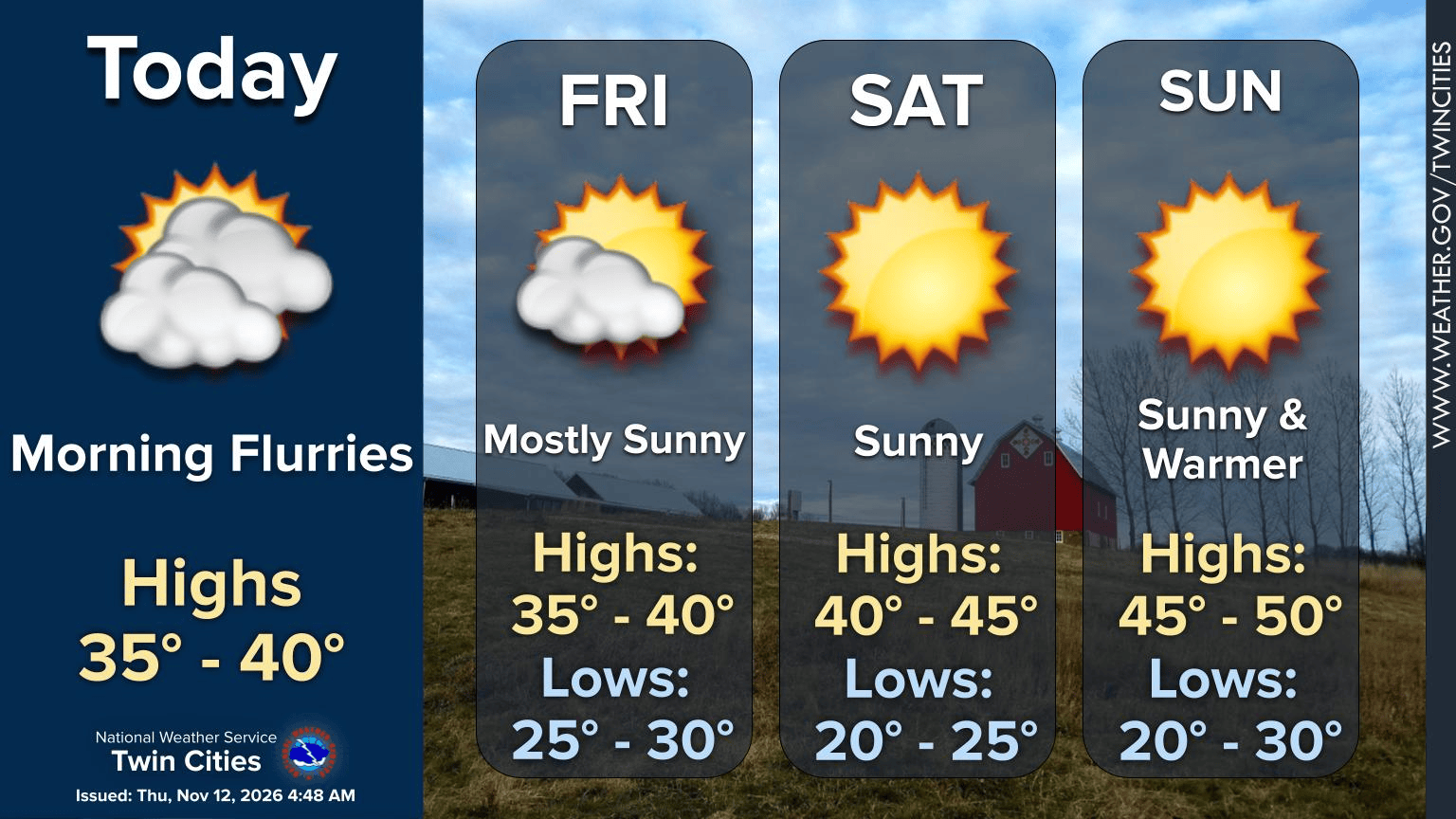
Minnesota Cold Snap Hits This Week Before Next Week Warmup
Minnesota enters its coldest stretch of November weather so far as temperatures drop into the 30s and low...
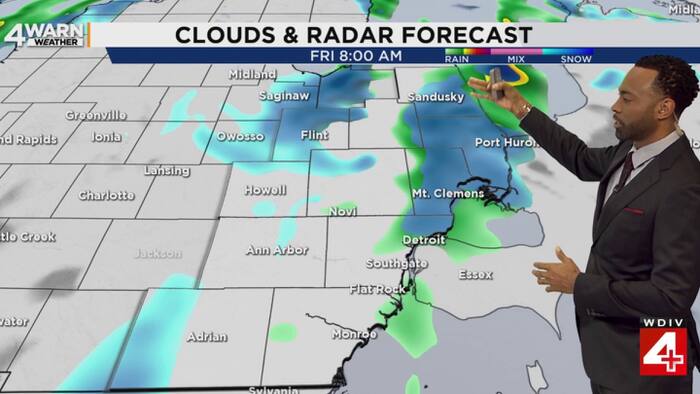
First Snow of the Season Could Arrive in SE Michigan Friday Morning
The first snow of the season could arrive across parts of Southeast Michigan on Friday morning. A strong...

Doctor Matt Lambert Allegedly Shot Manager and Four Others in DC
A long-running dispute over apartment maintenance turned fatal Thursday morning when a man shot and killed a building...

Lander Edges Augusta in Five-set PBC Tournament Match
Augusta Volleyball saw its season end in a grueling five-set battle against Lander on Thursday night at Flagler...