
“Everything that’s coming out of [the landfill] is coming right through this pipe and into this pond,” Brian Brittain told The Guardian, pointing to a neighbor’s watering hole surrounded by livestock.
Down winding roads in rural Clermont County, Ohio, the roar of dump trucks shatters the bucolic air as heavy vehicles haul materials to a massive 1,400-acre landfill owned by Dynegy Zimmer LLC, a subsidiary of Vistra Corp. For decades, the site has served as a dumping ground for coal combustion residuals from power plants across the Cincinnati region.
While coal-powered electricity generation has largely phased out, it has left behind towering piles of hazardous waste containing ash, boiler slag, and silica.
Consecutive rounds of testing show statistically significant levels of lithium above applicable groundwater protection standards at the landfill, according to data from Dynegy Zimmer reported by The Guardian. Millions of residents downstream in Cincinnati and Louisville rely on the Ohio River for their drinking water.
The environmental fallout is already hitting local health and municipal budgets. While the national incidence rate of lung and bronchus cancer sits at 51.8 per 100,000 residents, in Clermont County, the rate climbs to 69.6. In neighboring Hamilton County, the rate is 62.
Just a five-minute drive from the landfill sits the defunct William H. Zimmer power plant, which was shuttered in 2022 after operating for only three decades. Further down the river, the Beckjord plant operated for 75 years before closing in 2014. County administrators are now suing former operator Duke Energy and Missouri-based Commercial Liability Partners after heavy metals were detected in at least 20 water wells.
Unlined holding ponds at the Beckjord facility contain billions of pounds of toxins, leaving local residents unable to drink their tap water. County authorities now face a $30m bill to build a new water treatment plant capable of removing the pollutants.
Commercial Liability Partners remains the biggest property taxpayer in Clermont County, but authorities revealed earlier this year that the company owes the community more than $640,000 in delinquent taxes. Meanwhile, Texas-headquartered Vistra Corp, a $44bn energy giant, has faced fines and lawsuits across the country for market manipulation, chemical fires, and pollution violations. In 2023, Vistra subsidiary Dynegy Midwest Generation settled for $400,000 over allegations of dumping coal ash near an Illinois river.
“The Zimmer landfill, because of its status as a legacy landfill, hasn’t had to meet the same safety and design standards that landfills being built today [have],” said Thom Cmar, an attorney at Earthjustice.
Cmar added that when the site was designed, no barriers were put in place to ensure the waste did not come into contact with groundwater. Vistra spokesperson Jenny Lyon told The Guardian that the site has accepted inert, limestone-based byproducts from the Miami Fort power plant since 2007, and that the company takes residents’ concerns about odors seriously.
Beyond environmental worries, corporate property ownership has strained local finances. According to the Clermont County auditor’s website, Vistra Corp has amassed more than 3,400 acres in Washington Township through its subsidiary Dynegy Zimmer.
“When they devalued their property, the township had to pay money back to Dynegy Zimmer. We lost a lot of money that was already in the budget,” said Rhonda Brittain, referring to $139,000 that local schools and libraries had to repay to Vistra Corp in 2023.
Environmental groups and residents are pushing back. In Illinois, a lawsuit forced Dynegy to move approximately three million cubic yards of leaching coal ash. Here on the banks of the Ohio River, residents like Brian Brittain are continuing their fight.
“We are just asking that they spend the money to fix it. We know they have it,” said Brian Brittain.

Commanders News: Washington Needs Jacory Croskey-Merritt Back Soon | Hogs Haven
Second-year running back Jacory Croskey-Merritt is eligible to return from injured reserve this week following a spell out...

Virginia Kay Wheeler – Jewell-Rittman Funeral Service & Crematory
Virginia Kay Wheeler, known to her family and friends as both Virginia and Kay, passed away peacefully on...

Jordan Jackson Leads Huskies in Loss to Undefeated Utah Utes
The Utah Utes defeated the Houston Christian University Huskies 98-49, pulling away with a strong scoring performance after...
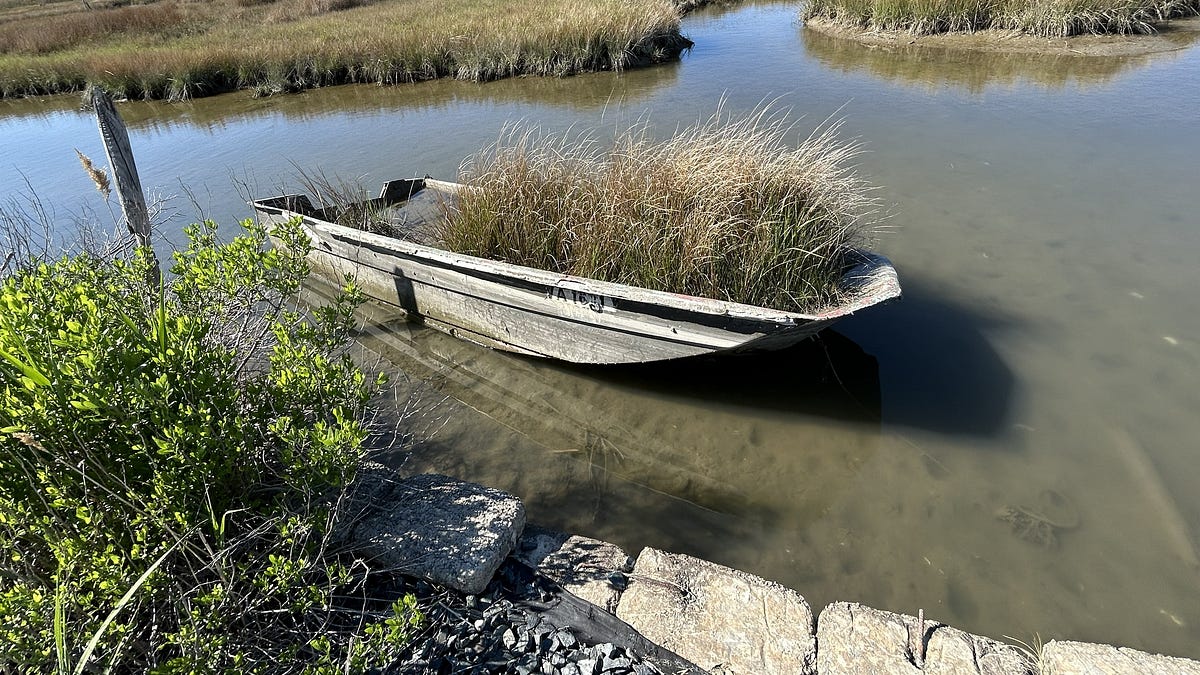
Tangier Island: A Fragile Living Museum Facing the Chesapeake Bay
In a column for ReportEarth, Chris Mooney argues that Tangier Island, Virginia, serves as a fragile, living museum...