A 76-Foot Spruce Begins Its Journey: the 2026 Rockefeller Tree Is Cut
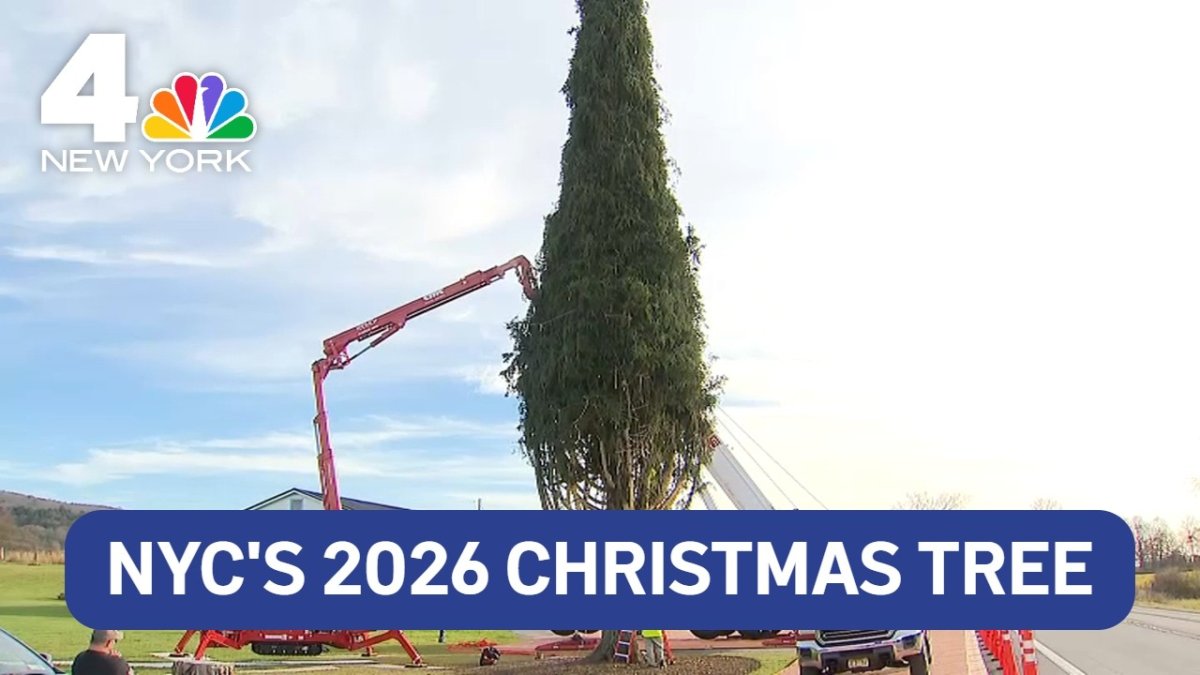
The air in West Edmeston, New York, was crisp early Thursday morning as a piece of New York City’s most anticipated holiday tradition was set in motion. By 8 a.m., the 76-foot Norway spruce that will soon grace Rockefeller Plaza was being cut down, NBC New York reported. This mighty tree, donated by the Decker family from their property in Otsego County, is the latest in a long line of evergreens to make the 200-mile journey upstate to midtown Manhattan.
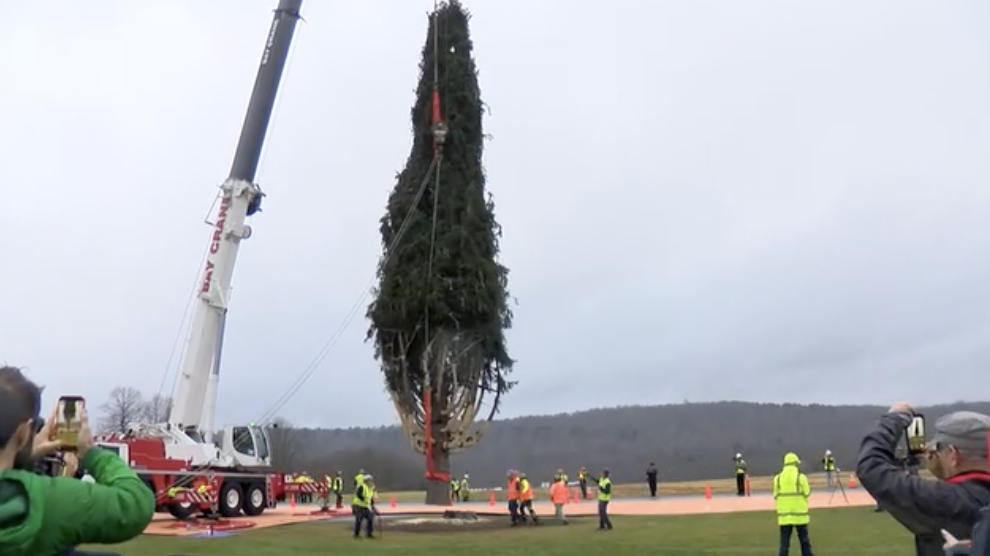
What makes this moment more than just a seasonal chore is the immense scale of the operation and the deep-seated tradition it represents. The tree, estimated to be 75 years old and weighing about 11 tons with a diameter of 50 feet, was carefully hoisted by a crane onto a flatbed truck. Its departure marks the beginning of a multi-day pilgrimage that will culminate in its becoming the centerpiece for millions of visitors and a global television audience. This is not just logging; it is the first step in a ritual that has defined the New York City holiday season for nearly a century.
A Journey of Logistics and Legacy
Getting the tree from a quiet upstate farm to the bustling heart of Manhattan is a feat of logistical precision. According to lohud.com, law enforcement was on hand to manage the operation. Traffic delays were expected to begin around 6 a.m. as crews prepared the tree. After being cut, the spruce began its southward journey around noon, escorted by police on NY-8 to NY-17 in Deposit, Delaware County, before heading east toward Interstate 87. The convoy will ensure the tree’s safe transit, a necessary precaution for such a valuable and symbolic cargo.
The story of the Rockefeller Center Christmas Tree is one of community and continuity. The tradition began simply in 1931, when construction workers building Rockefeller Center put up a humble tree on their job site. Just two years later, in 1933, the first formal lighting ceremony was held, a tradition that has continued every year since, with only a few exceptions. Over the decades, the trees have told stories of their own: in 1942, three trees were decorated in red, white, and blue to honor troops during World War II; in 1966, a tree from Canada made the longest journey any Rockefeller tree had ever taken at the time; and in 2007, the switch was made to energy-efficient LED lights, a move that drastically cut power consumption.
For the 50th tree lighting in 1980, a 70-foot-tall Norway Spruce came from the grounds of the Immaculate Conception Seminary of Mahwah, N.J. Bob Hope participated in the lighting. The Rockefeller Center Christmas Tree was lit for the first time on national television in 1951.
While the tree’s origins vary each year—from Killingworth, Connecticut, which donated the tallest tree in Rockefeller history at 100 feet in 1999, to Maryland in 2021—the core mission remains the same. The Decker family’s donation this year continues a Northeastern tradition, placing a local New York tree back in the spotlight of the world’s most famous Christmas display.
The Human and Economic Stakes of a City Icon
So why does this matter beyond the festive decorations? The stakes are both human and economic. For the residents of West Edmeston, it’s a moment of civic pride and a significant local event. The Decker family, like many donors before them, opened their property to the public and media, becoming part of a story that reaches millions. For New York City, the tree’s arrival is a massive economic driver. The “Christmas in Rockefeller Center” lighting show on Dec. 2 is a major television event, and the tree itself is a magnet for tourism throughout the holiday season. The plaza, with its iconic skating rink, becomes a winter wonderland, drawing visitors who will spend money on hotels, restaurants, and shopping.
One could argue that the tree is a massive, unpaid advertisement for the city. The spectacle is designed to foster a sense of community and joy, but it also serves a practical purpose in keeping the city vibrant and economically active during the colder months. The tradition is a delicate balance between authentic celebration and commercial event, a line the Rockefeller Center team has walked for decades with remarkable success.
After the lights are dimmed for the final time on Jan. 9, 2027, the story of the 2026 tree does not end. NBC New York and mynbc5.com confirm that the spruce will be milled into lumber for Habitat for Humanity. The 11-ton giant that brought so much joy to the city will be reborn as homes for families in need, a powerful final chapter in its story of service.
This year's Rockefeller Center Christmas tree, a 76-foot Norway spruce, was cut down Thursday and will be trucked to New York City. https://t.co/tl8tCcYOPV
The 76-foot Norway spruce is now on its way, scheduled to arrive at Rockefeller Center on Saturday, Nov. 7. There, it will be placed upright and spend weeks being adorned with 50,000 multicolored LED lights and the iconic 900-pound Swarovski star. The city will wait with eager anticipation, ready to welcome the tree that has become a living symbol of the holiday season.
It’s a journey that mirrors the season itself: a quiet beginning, a passage through the world, and a triumphant arrival that illuminates the darkest time of the year.
Worth a look

Jason Christopher Campbell sentenced to 10 years for concealing mother’s death
A Georgia man called 911 claiming that his missing mother had been “abducted by aliens” — only for...

UCLA volleyball defeats Illinois 3-1 to snap four-match losing streak
UCLA Volleyball Forges Road Victory Over Illinois, Snaps Four-Match Skid CHAMPAIGN, Ill. – The UCLA women’s volleyball team...

NTSB recovers engine piece from Florida Learjet crash investigation
Engine Piece Recovered as Florida Jet Crash Excavation Intensifies Federal investigators have recovered a portion of the engine...

Domestic Violence Laws and Definitions in Delaware
In Delaware, domestic violence legally encompasses far more than physical harm. It includes patterns of coercion, threats to...