
Fargo Apartment Discovery Unchains Two-Year Captivity
On Tuesday, November 3, a maintenance worker’s discovery of a woman’s cries for help inside a south Fargo apartment led to a rescue that uncovered allegations of a two-year captivity. The woman, found chained to a bed, had not been outside for two years, according to court documents.
The incident unfolded at the 4911 44th Avenue South apartment building when the maintenance worker entered a third-floor unit and discovered the woman in a bedroom, secured by an ankle chain to a bed. A security camera was pointed at her, and officers used bolt cutters to free her. She required a foreign language translator app to communicate with investigators and told them she had been brought to Fargo from Mexico in 2024 and had not been allowed outside since.
Amoles told officers Calzada-Becerril was a trucker and would be returning soon. As the victim was being treated for injuries at Sanford’s emergency room, Calzada-Becerril and Amoles arrived at the same facility before driving to the Fargo Police Station for interviews.

Allegations of Captivity and Abuse
The victim provided a harrowing account to a Spanish-speaking agent from the state Bureau of Criminal Investigation, stating she was born in the U.S. and married to Calzada-Becerril but did not wish to be any longer. She alleged that while Calzada-Becerril had previously allowed her outside the bedroom, he had since kept her locked inside, where she used a bucket for a bathroom. He brought her food twice a day, she said.
Investigators noted bruising on her arms, legs, and face, and the victim told them Calzada-Becerril had punched her in the face, causing a scar on her forehead. She further alleged that both Calzada-Becerril and Amoles had pinned her down, beaten her, and sexually assaulted her. The room where she was held contained a bed with chains, a custom-built headboard, and a webcam facing the bed, which Calzada-Becerril had linked to his phone, though it was deactivated. Windows were covered with tin foil, and the bathroom had a chain and another padlock.
Contrasting Accounts of Confinement
During interviews, Calzada-Becerril and Amoles offered a starkly different explanation for the woman’s confinement. They told investigators the three were from the same town in Mexico and that the victim had been addicted to “a variety” of drugs, causing mental health problems such as “talking to people that were not there.” They claimed they locked her up “so she did not run away … (and) start looking for drugs again,” court documents stated.
The investigation revealed a level of meticulous control. The chains on the headboard were secured with large bolts, washers, and nuts, and the chain was wrapped around the headboard and sheathed in a foam pool noodle. Both the head and foot of the bed had Master Lock brand padlocks on them.
Calzada-Becerril and Amoles Face Charges Following Arrest
They were arrested on November 3, and the case raises profound questions about domestic violence, human trafficking, and the failure of community systems to identify such extreme abuse. Such cases, while rare, are not unprecedented in the U.S., though the specific dynamics of this case—alleged kidnapping, forced confinement, and torture—represent a particularly severe form of abuse.
The Fargo Police Department has not yet released a public statement, but the investigation, which involves the state Bureau of Criminal Investigation, points to a complex web of allegations that will be tested in court. The victim’s ability to speak only through a translator and the claims of a two-year captivity suggest a scenario of isolation and control that can be difficult to detect from the outside.
This case underscores the hidden nature of intimate partner violence and the critical role that community members, like the maintenance worker in this instance, play in breaking the cycle of abuse.
The contrast between the victim’s allegations of torture and the suspects’ claims of a well-intentioned intervention creates a central legal and ethical battleground. The defense’s argument—that the confinement was a measure to protect a woman from her own addiction and mental health struggles—will be weighed against the physical evidence of abuse and the testimony of a woman who claims to have been held against her will for two years. The outcome will depend on whether investigators can uncover evidence of intent, motive, and the true nature of the relationship between the three individuals.
The Fargo community, like many across the country, is now left to grapple with the implications of such a disturbing discovery. The case highlights the fragility of safety, even within the confines of a seemingly ordinary apartment building, and the enduring challenges of protecting vulnerable individuals from those closest to them.

Jason Christopher Campbell sentenced to 10 years for concealing mother’s death
A Georgia man called 911 claiming that his missing mother had been “abducted by aliens” — only for...
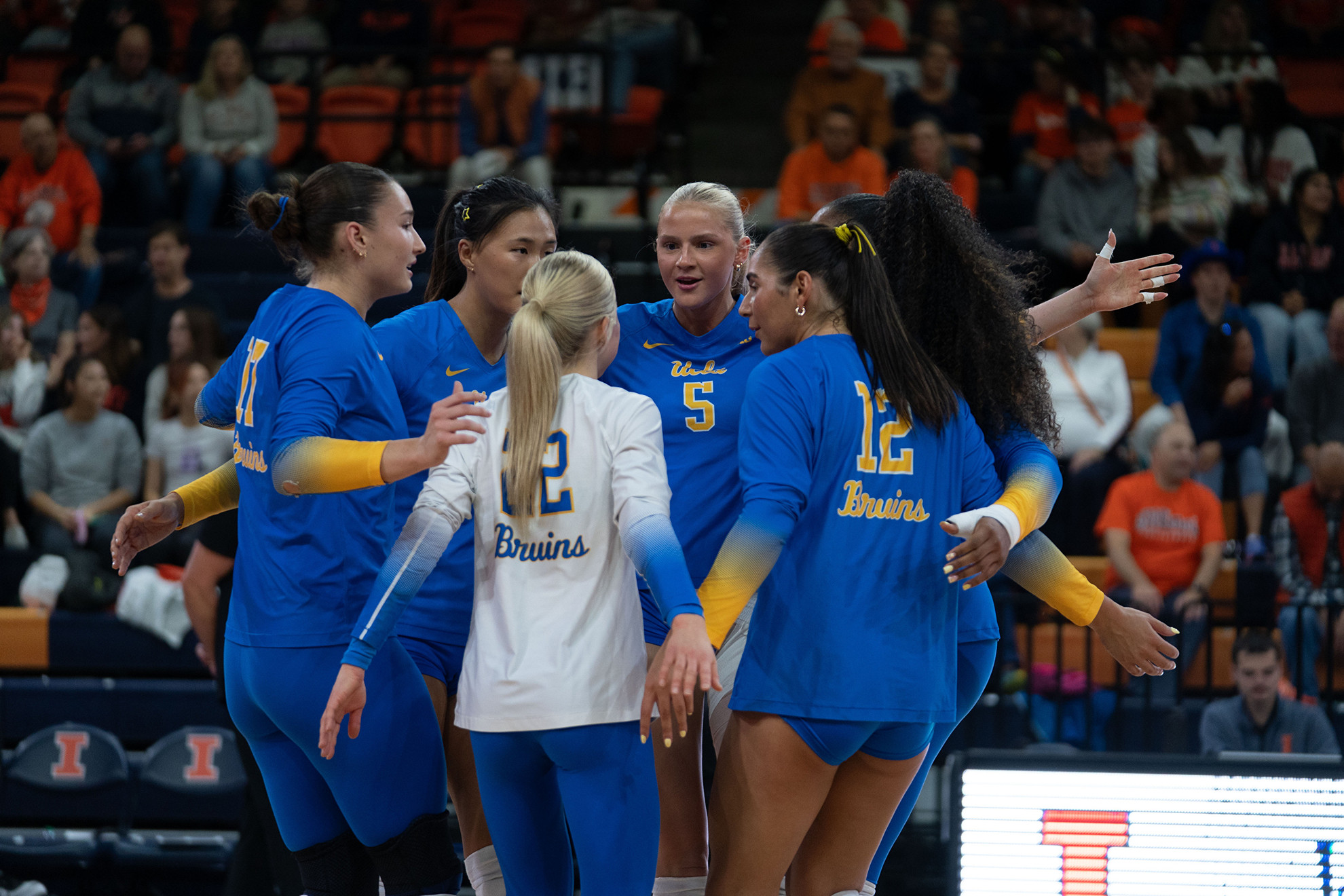
UCLA volleyball defeats Illinois 3-1 to snap four-match losing streak
UCLA Volleyball Forges Road Victory Over Illinois, Snaps Four-Match Skid CHAMPAIGN, Ill. – The UCLA women’s volleyball team...

NTSB recovers engine piece from Florida Learjet crash investigation
Engine Piece Recovered as Florida Jet Crash Excavation Intensifies Federal investigators have recovered a portion of the engine...
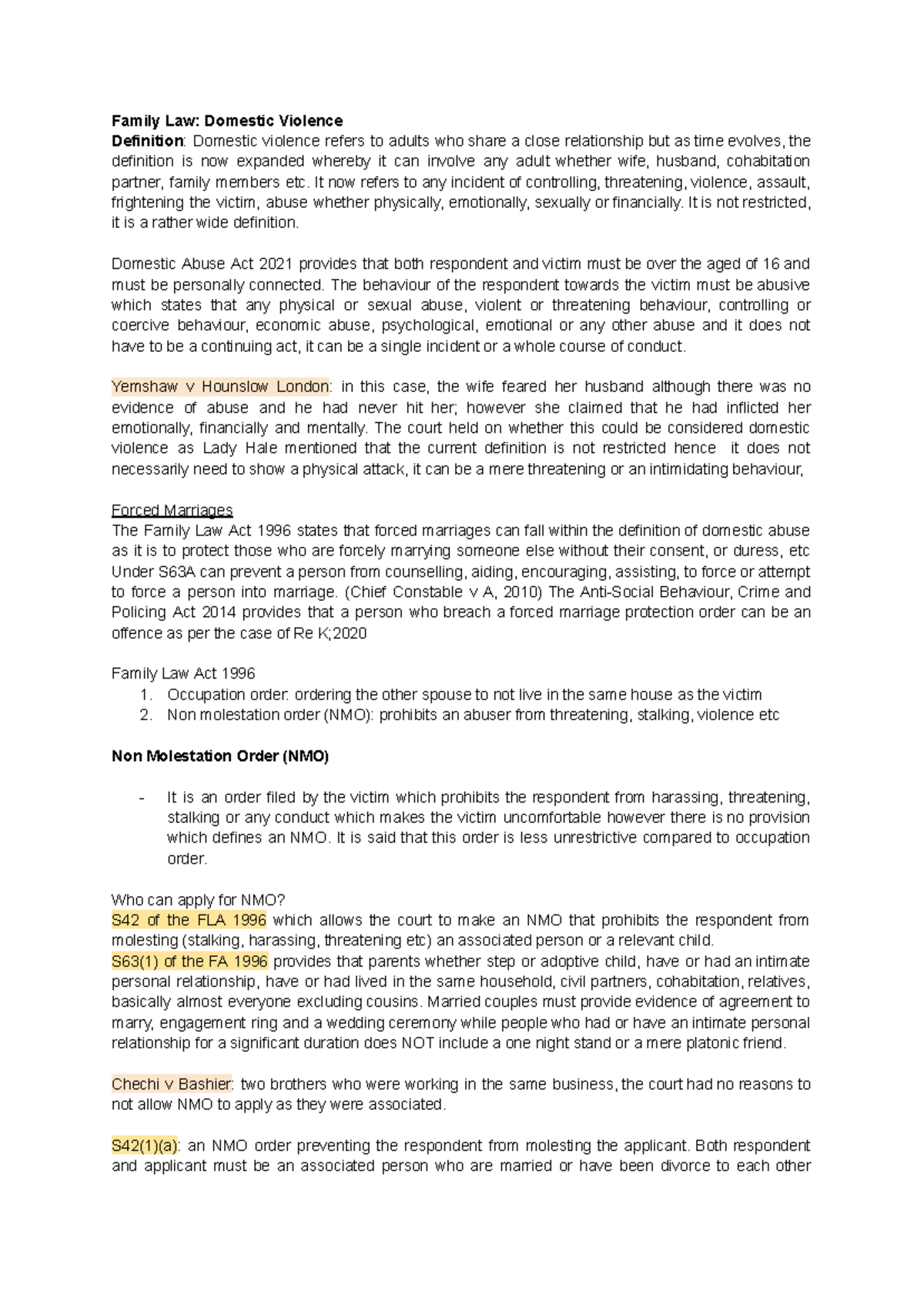
Domestic Violence Laws and Definitions in Delaware
In Delaware, domestic violence legally encompasses far more than physical harm. It includes patterns of coercion, threats to...