
Russia's State Duma approved a three-year federal budget Tuesday allocating 50.05 trillion rubles ($609 billion) to national defense through 2029.
The lower house passed the 2027-29 spending plan in its third and final reading on November 24, cementing a 27 percent jump in national defense funding to 17.1 trillion rubles ($208 billion) next year. Combined with security and law enforcement, defense will consume 44 percent of all federal expenditures, while education, healthcare and housing face cuts of 3 to 8 percent. The budget now moves to the Federation Council before President Vladimir Putin signs it into law.
- Defense spending hits 17.1 trillion rubles ($208 billion) in 2027, up 27% from 2026.
- The three-year military total exceeds $600 billion, the most since Soviet times.
- Funding for healthcare is set to fall by 3%, housing and communal services by 8%, and spending on the national economy by 3%.
- New taxes on passive income, cross-border retail and mining aim to cover the gap.
What the budget commits
The approved plan allocates 50.05 trillion rubles ($609 billion) to national defense over three years: 17.15 trillion rubles ($208.8 billion) in 2027, 16.61 trillion ($202.2 billion) in 2028, and 16.30 trillion ($198.4 billion) in 2029. That exceeds the previous three-year budget by roughly 10.5 trillion rubles ($128 billion), according to the State Duma Defense Committee’s October conclusion. Total federal spending next year is set at 48.74 trillion rubles ($593 billion), with defense alone accounting for 35 percent of the budget.
The 2027 defense allocation of 17.15 trillion rubles ($208.9 billion) represents an increase from the 12.93 trillion rubles ($157.5 billion) allocated for 2026, and a marked increase from the 13.6 trillion rubles ($165.7 billion) forecast for 2027 in last year’s budget plan. These figures include both public and classified budget expenditures under the “National Defense” category.

Finance Minister Anton Siluanov told reporters the projected 2027 deficit of 5.44 trillion rubles ($66 billion) — 2.2 percent of GDP — represents progress after this year’s record shortfall of 7.34 trillion rubles. Combined budget deficits between 2027 and 2029 will total 15.81 trillion rubles ($192.57 billion).
Lawmakers adopt progressive taxes to fund increase
To fund the increase, lawmakers adopted a progressive tax scale of up to 22 percent on passive personal income, a 22 percent VAT on cross-border online retail transactions, and a 30 percent windfall profit tax on mining and metallurgy corporations. The Finance Ministry expects these measures to generate 1.5 trillion rubles ($18 billion) in 2027. Authorities also plan to collect 33.6 trillion rubles ($405 billion) in non-oil and gas taxes this year, rising to 36.3 trillion ($437 billion) in 2027.
The revenue threshold for a preferential tax regime was cut from 60 million rubles ($723,000) to 20 million ($241,000). A Russian Chamber of Commerce and Industry survey of 23,000 entrepreneurs found 27 percent considering downsizing or closing, while 29 percent have raised prices and a quarter have shifted to cash payments.
Now that threshold has been cut threefold, to 20 million rubles ($241,000). A fifth of those who switched told the chamber they regretted the decision. “The mood among SMEs is, to put it mildly, gloomy,” its analysts wrote. The most vulnerable are low-margin businesses that mainly serve consumers and cannot significantly raise prices.
Reserves drained, borrowing costs climb
A Bank of Finland report published November 20 shows Russia’s National Wealth Fund assets falling from 9.7 trillion rubles before the war to 3.6 trillion by the end of 2026 — a two-thirds decline in readily available reserves.
The Central Bank has sold gold for ten consecutive months to help cover the widening deficit, pushing total reserves to their lowest level since late 2019. Meanwhile, government bond yields have reached 17 percent, reflecting the premium investors demand to hold Russian debt.
Speaker cites veterans support amid sanctions pressure
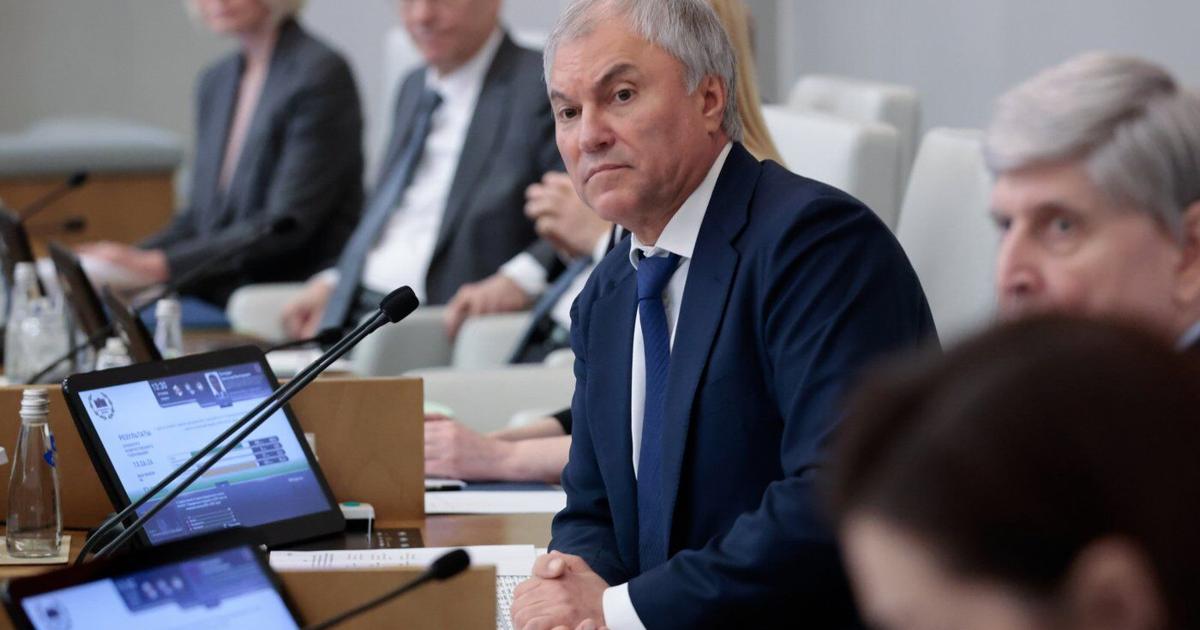
Speaker Vyacheslav Volodin said the budget contains “everything we need” to support veterans, while noting Russia faces nearly 35,500 Western sanctions. “Now the country and its people live only to fight, and there are no other goals,” economist Igor Lipsits told the exiled channel Dozhd.
Related reading
Rescuers Recover Three Bodies, Search for 23 Trapped in Indonesian Mine
Rescuers recovered three bodies on Wednesday and continued searching for 23 miners trapped in a flooded illegal gold...

Somalia Cabinet Approves Electoral Law Changes With Closed List
Somalia's cabinet approved sweeping electoral law changes on Tuesday, adopting a closed-list system and a 10 percent national...

Russia’s Lower House Approves Tax Hikes to Fund War Spending
Russia's lower house of parliament approved a three-year federal budget Tuesday that directs 17.15 trillion rubles — roughly...
China Probes Fourth Politburo Member Chen Jining Since 2025
China's anti-corruption watchdog announced Tuesday it is investigating Chen Jining, the Communist Party secretary of Shanghai and a...