
A Long Walk to the Capitol
On November 29, the annual Sand Creek Massacre Healing Run will conclude at the Colorado State Capitol. This journey, which stretches more than 170 miles from the massacre site to Denver, culminates in a dedication ceremony for a new memorial designed to honor the Cheyenne and Arapaho victims. The event marks the latest chapter in 162 years of history addressing a day that fundamentally altered the trajectory of the Cheyenne and Arapaho people.
At dawn on November 29, 1864, Col. John Chivington led a raid of 700 volunteer soldiers on a peaceful camp along Sand Creek in the southeastern corner of the new territory of Colorado. Despite the presence of an American flag and a white flag and prior assurances of protection from Territorial Gov. John Evans, more than 200 tribal members were killed—primarily women, children, and the elderly. As Westword reported in its 50 for 50 series, the perpetrators returned to Denver to parade their spoils during Christmas festivities.
The Battle for Historical Accuracy
For over a century, the state of Colorado struggled to reconcile its public memory with the reality of the event. While Congress and military authorities investigated the incident in the 1860s, local commemorations often obscured the truth. In 1950, a granite marker was erected on the bluffs near Eads, titled “Sand Creek Battle Ground,” a designation that ignored the eyewitness accounts of individuals like Captain Silas Soule, who had declined to participate in the attack.
The push to correct this narrative gained momentum in the late 20th century. In 1985, descendants of those killed that day demanded the Colorado Historical Society revise its terminology. In July 1993, the U.S. Senate unanimously passed a bill sponsored by then-Colorado Sen. Ben Nighthorse Campbell, a Northern Cheyenne, ordering the National Park Service to find the actual killing grounds, a first step to establishing the Sand Creek Massacre National Historic Site, which was dedicated in 2007. This institutional shift reflected a growing, albeit slow, recognition of the trauma that remains a living part of family history for the Cheyenne and Arapaho tribes.
Colorado History Museum Opens New Massacre Display
The physical landscape of Colorado’s memory has seen repeated friction. In November 2023, the Colorado History Museum opened “The Sand Creek Massacre: The Betrayal that Changed Cheyenne and Arapaho People Forever,” a new display that features the voices of the descendants.
This evolving approach extends to the statehouse grounds. The “On Guard” Civil War monument, which had long listed Sand Creek under “Battles and Engagements,” became a focal point of debate. During the George Floyd protests in the summer of 2020, the soldier figure was removed and moved to the History Colorado Center, now renamed the Colorado History Museum.
A New Memorial at the Capitol
Plans have been announced to create a monument honoring the tribes at the Colorado Capitol, where “On Guard” stood until it was removed. The memorial is intended to honor the tribes.
The Sand Creek Massacre, a horrifying betrayal against the Cheyenne and Arapaho people, is a pivotal point in Native American history and culture. This dark period showcases a heart-wrenching narrative of broken promises, warfare, and untimely bloodshed.
The memorial will feature a Cheyenne chief, holding their baby, alongside Arapahoe Chief Left Hand, who was killed at Sand Creek; they will be in front of a tipi frame, looking out over Denver to the mountains. The complete piece will be installed next November. This will be the final stop on the annual Sand Creek Massacre Healing Run.
The massacre site serves as the starting point for a healing run that stretches to the seat of the state’s political power.
Worth a look

Connecticut College Student-Athletes Present Research at Symposium
Student-Athletes Bridge Athletics and Academics at Connecticut College Seventy-two senior student-athletes took center stage at Connecticut College’s eighth...
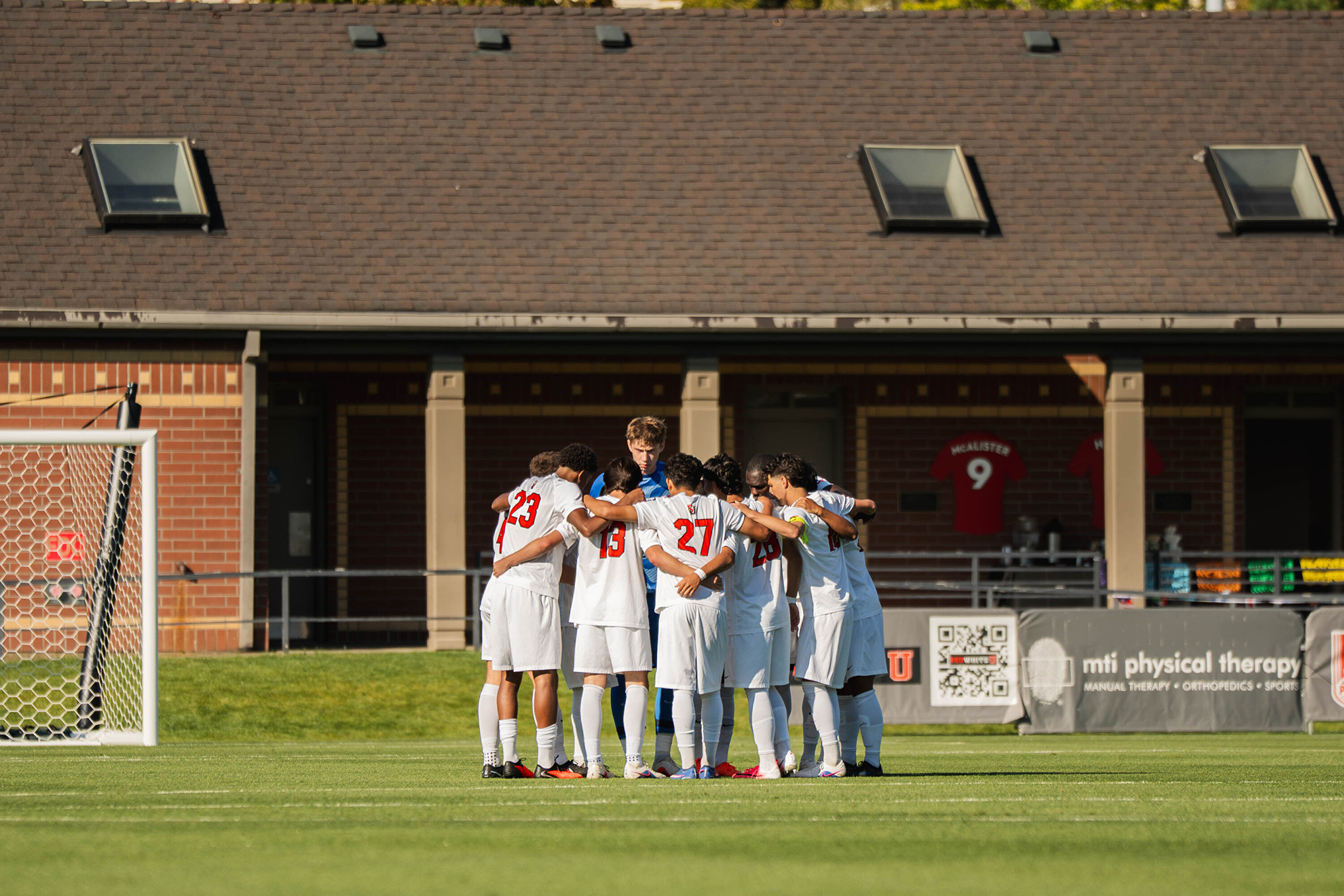
Denver Defeats Seattle U 2-0 to Close Men’s Soccer Season
The Seattle U men’s soccer team concluded its 2026 campaign on a difficult note Friday night, falling 2-0...

Spurs vs. Kings live stats: Wembanyama leads Spurs in Q1
San Antonio Spurs vs. Sacramento Kings Gametracker and Live Stats The San Antonio Spurs and Sacramento Kings faced...

SA Weather Service Issues Severe Storm Warning Across SA
Displaced residents and flooded roads faced severe threats as the South African Weather Service issued a yellow Level...