
Lemhannas Looks to Hanoi as Indonesia Refines Economic and Energy Strategy
For the senior leaders currently enrolled in the National Resilience Institute’s (Lemhannas) P4N Batch LXX, the classroom is currently located in Hanoi. This week, Governor TB Ace Hasan Syadzily led a delegation of military, police, and civil service officials to Vietnam for a Foreign Strategic Study (SSLN) tour. The objective is pointed: to dissect how Vietnam has successfully accelerated its economic trajectory and to determine which of those structural reforms might be adapted for Indonesia’s own national interests.
The timing of the visit, which included November 4-6, 2026, places the delegation at the heart of Vietnam’s current growth cycle. During a briefing at the Indonesian Embassy in Hanoi, Ambassador Adam M. Tugio presented data showing Vietnam’s economy grew by 9.9 percent year-on-year in the third quarter of this year. This expansion, driven by structural reforms, workforce development, integrated infrastructure, and investor-friendly policies, serves as the primary case study for the Lemhannas participants.
The Mechanics of Vietnam’s Growth
Vietnam’s recent economic performance is not merely a result of market forces but a product of intentional, long-term policy shifts. The embassy highlighted several pillars of this transformation: structural reforms, aggressive infrastructure development, and a consistent effort to cultivate investor-friendly policies. For the Indonesian delegation, the goal is to translate these observations into actionable recommendations for their home country.
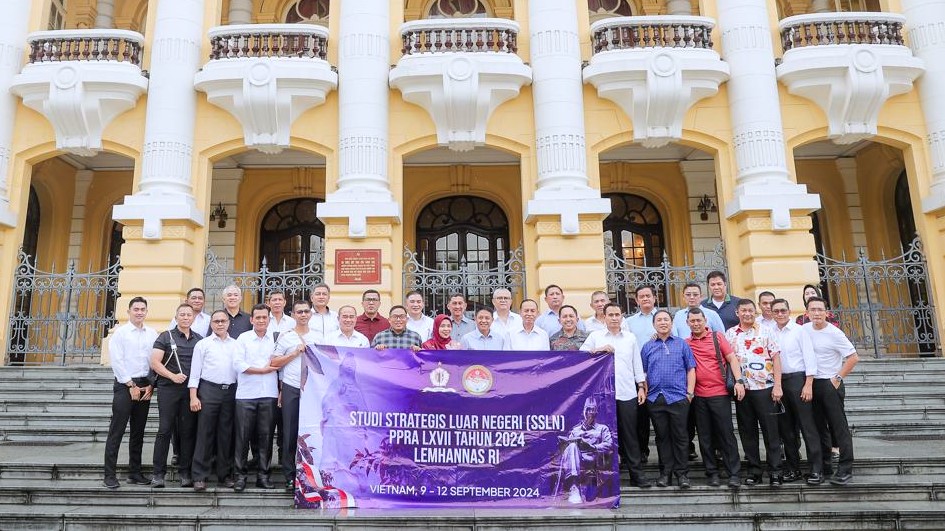
Vietnam’s economic progress—achieved through structural reforms, openness, manufacturing strength, and investment growth—provides vital insights for Indonesia.
Governor Hasan emphasized that while Vietnam’s model is compelling, it must be filtered through the specific needs and context of Indonesia. The focus is not on wholesale replication, but on identifying the mechanisms that build global investor trust—a factor that has allowed Vietnam to embed itself so deeply into the international manufacturing ecosystem. As Indonesia seeks to elevate its own productivity and strengthen its economic fundamentals, these lessons are being processed through the lens of the P4N curriculum, which serves as Lemhannas’ flagship executive program designed to prepare prospective national leaders.
Energy Independence as a Strategic Priority
Beyond broad economic growth, the study tour focused on a specific, critical vulnerability: energy security. The official theme of the P4N Batch LXX program is “The Role of New and Renewable Energy in Elevating National Energy Independence.” The delegation’s itinerary included visits to strategic facilities across Vietnam to examine how the country is diversifying its energy mix and reducing its reliance on single-source dependency.
This focus on energy policy is a direct extension of the Comprehensive Strategic Partnership established between Indonesia and Vietnam in 2025. By aligning their strategic interests, both nations are attempting to move beyond traditional diplomatic exchanges toward a model of active knowledge sharing. The Indonesian Embassy in Hanoi has positioned itself as the primary conduit for this, committing to facilitate further collaboration in sectors that directly impact national resilience.
Translating Global Insights into Domestic Policy
The five-and-a-half-month P4N program is designed to bridge the gap between high-level theory and the practical realities of governance. For the mid-to-senior officials involved, the findings from the Hanoi tour will not remain in a vacuum. They are slated to be distilled into individual research papers and discussed in upcoming seminars, forming a core component of the participants’ curriculum.
As the P4N Batch LXX cohort returns to Jakarta, the real work begins: deciding which of these foreign strategic lessons can survive the transition into the complex reality of Indonesian policymaking. The shift toward a more integrated, energy-independent economy is a long-term project, and the insights gathered this week in Hanoi will serve as a foundational reference point for the leaders who will eventually steer those efforts.
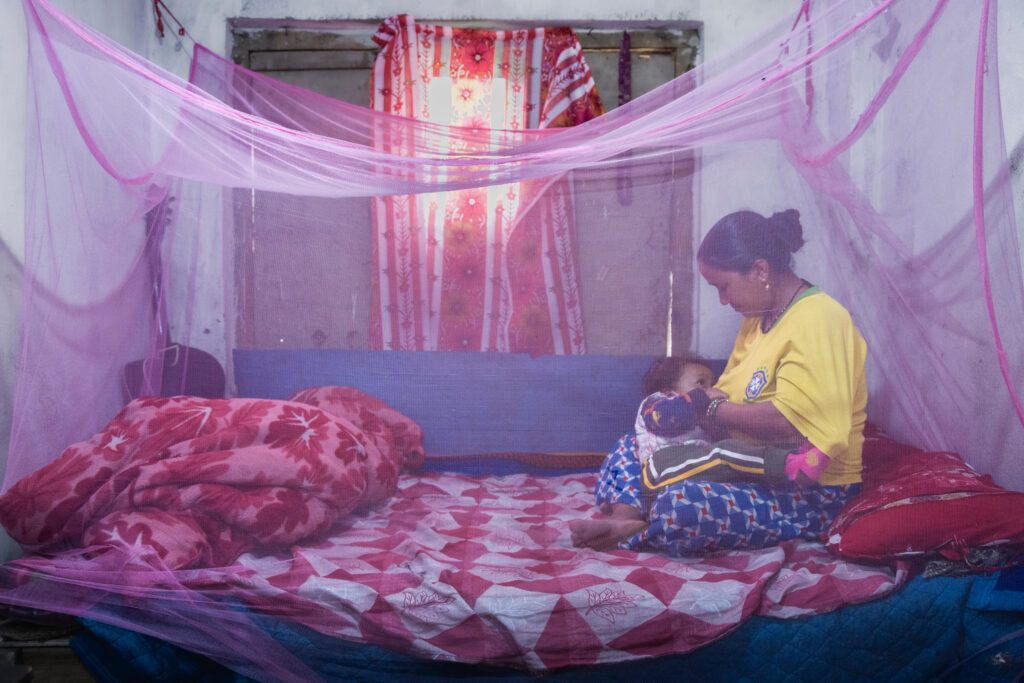
Warming temperatures bring dengue mosquitoes to Nepal’s Himalayas
Climbing to the Roof of the World For generations, the high Himalayas of Nepal stood as a cold,...

Christopher Sepúlveda Overcomes Rare Childhood Epilepsy Diagnosis
When Christopher Sepúlveda was two years old, his parents noticed involuntary movements in his mouth and eyes, alongside...

Public Sector Strike Planned for Nov 12 Amid Pay Talks
Stakes Rise as Talks Resume in Public Sector Pay Dispute Government officials and trade union delegates are maintaining...

Study Finds OAB Drugs May Not Increase Dementia Risk
New research finds that anticholinergic medications commonly prescribed for overactive bladder may not increase dementia risk compared to...