
Democrat Scott Colom was elected Mississippi’s first Black U.S. senator since Reconstruction on Veterans Day, flipping a seat Democrats had not held in the chamber since 1989.
The win traces a direct line to the 1964 Freedom Summer project, whose organizers built the infrastructure for Black political power that state officials are still trying to dismantle, Mississippi Today reported. Colom’s victory in Forrest County — named for Ku Klux Klan founder Nathan Bedford Forrest — carried particular weight for historians who see the election as a referendum on the state’s “closed society” rather than a simple partisan shift.
Coming home to Columbus to celebrate this historic victory with the people who have always been in my corner meant more to me than I can put into words. This campaign has always belonged to the people of Mississippi, and getting to celebrate this moment with my own community was… pic.twitter.com/5v4hTv1zj7
“Like other Southerners, Mississippians are obsessed by their sense of the past, but this does not ensure the accuracy of their historical picture,” historian James W. Silver wrote in 1962. “When looking at their past, Mississippians see legend rather than history.”
The last Black senator from Mississippi, Blanche K. Bruce, left office in 1881. His service was erased by the Dunning School of historians and “Lost Cause” mythology that rationalized Jim Crow, a narrative Mississippi still reinforces by observing Confederate Heritage Month each April.
Freedom Summer activists — including Fannie Lou Hamer, Bob Moses, and Victoria Gray Adams — tried to break that structure by registering voters and seating the Mississippi Freedom Democratic Party at the 1964 Democratic National Convention. President Lyndon Johnson blocked them, fearing a white backlash that eventually arrived via the Republican Party’s Southern Strategy.
Colom, a Columbus native and former district attorney, comes from seven generations in the state. His mother, retired Judge Dorothy Colom, was the first Black person elected to her chancery court; his father, Wilbur Colom, was once a Republican.
Scott Colom became Lowndes County’s youngest and first Black justice-court judge in 2011, then Columbus’s first Black city prosecutor in 2013, and unseated a 27-year incumbent district attorney in 2015 on a reform platform, The Atlantic reported. He instituted restorative justice programs and, after George Floyd’s murder in 2020, made public a police-shooting case file the state attorney general had quietly dropped.
The campaign itself became a test of the voting-rights infrastructure Freedom Summer built. Before the election, Secretary of State Michael Watson partnered with the credit bureau Experian to move thousands of voters to “inactive” status.
At his victory speech at Tougaloo College — a hub of civil-rights organizing — Colom wore a hoodie quoting Bob Moses: “When you’re in Mississippi, the rest of America doesn’t seem real. And when you’re in the rest of America, Mississippi doesn’t seem real.”
“There were times when I was tired, and I felt like I couldn’t keep going, but I kept the faith,” Colom said Wednesday night. “And that is another tradition of our state. There’s so many people that had faith in Mississippi at times where it seemed impossible.”
The seat had been held by Republicans since John C. Stennis retired in 1989. Stennis, a segregationist, had defeated Victoria Gray Adams’s “Freedom Election” challenge in 1964. Ronald Reagan launched his 1980 presidential campaign with a states’ rights speech in Philadelphia, Mississippi — the same county where James Chaney, Andrew Goodman, and Michael Schwerner were murdered during Freedom Summer.
Colom’s win does not erase the structural barriers that remain. The same legislature that honors Confederate Heritage Month controls redistricting and voting rules. But for the first time in 141 years, a Black Mississippian will sit in the Senate chamber by the choice of the state’s voters — not by appointment, not by legend, but by a count that took days to finish because the system tried to stop it.
Mississippi Senator-elect Scott Colom on priorities for the new Democratic Senate: “I think first we got to make sure our own house is clean. When I was calling people in Mississippi seeking support from Republicans, they would often say, well, Democrats are just as bad. Well,… pic.twitter.com/9yuY0AMarH”
Two little Black girls singing the Pledge of Allegiance at the podium. Their father, Scott Colom, is about to take the stage as Mississippi's first Black senator since Reconstruction. In Mississippi. The state where Emmett Till and Medgar Evers were murdered. “Liberty and… pic.twitter.com/P6p3rORuQp”

Omaha Police Arrest 2 Men Linked to 30 Burglaries, Church Break-In
Two men are in custody Thursday after Omaha Police linked them to a string of at least 30...
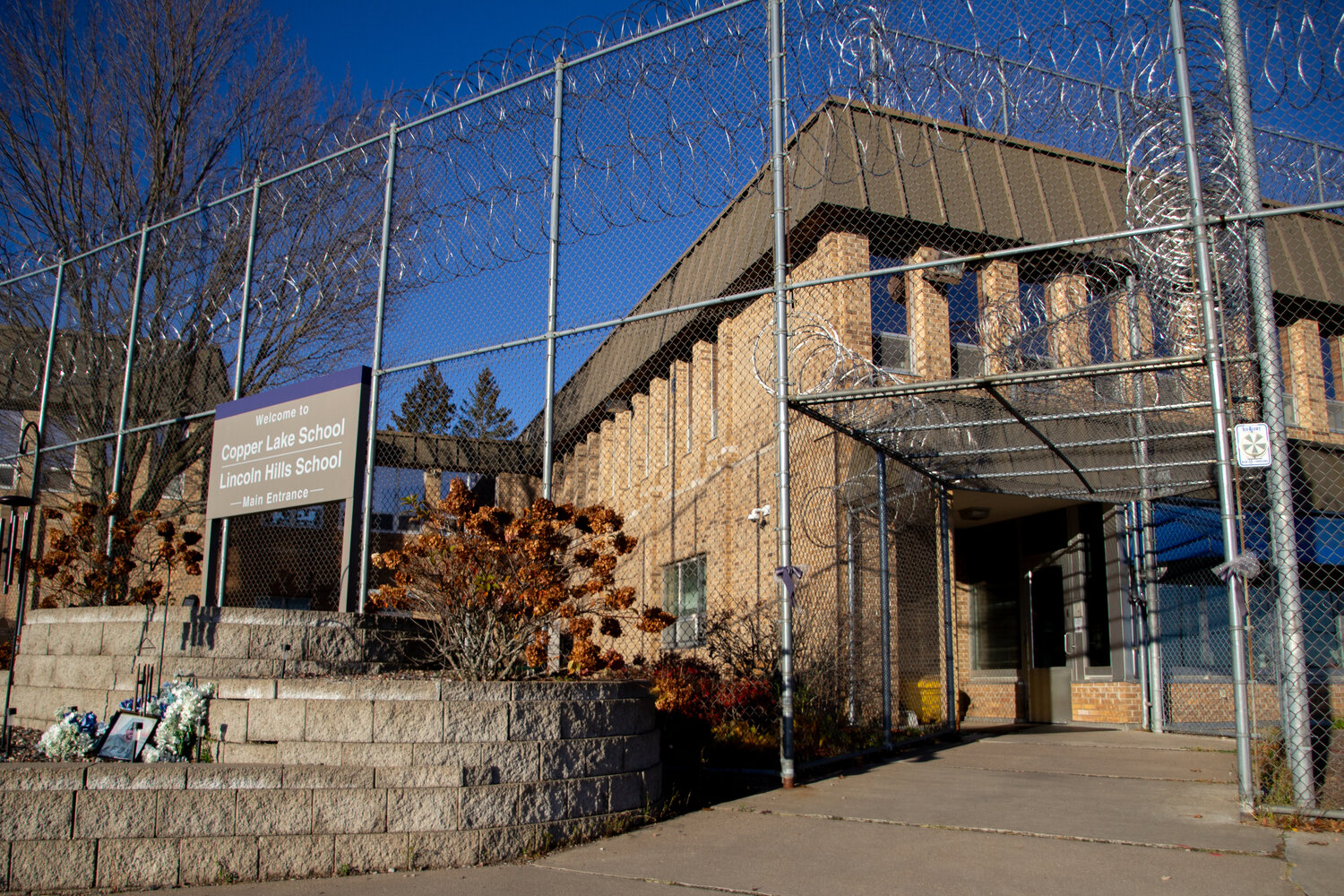
First Four Boys Arrive at Milwaukee Youth Prison on Nov. 10, per Report
Four boys arrived at the Southeast Regional Care Center for Youth on Nov. 10, the first residents of...

Smith Entertainment Group Hires Account Executive to Sell Jazz, Mammoth, Delta Center Partnerships
Smith Entertainment Group is hiring a Business Development Account Executive to sell corporate partnerships and premium seating across...

Three Photojournalists Sue St. Paul Police Over Pepper Spray, Pepper Balls at ICE Raid
Three Minnesota photojournalists sued the St. Paul Police Department on Tuesday, alleging officers targeted them with pepper spray...