
Scout Motors has secured approximately 212,000 reservations for its upcoming electric vehicle lineup as the startup nears the final stages of its $2 billion manufacturing facility in South Carolina.
The figures, confirmed by CEO Scott Keogh in an interview with CNBC, highlight sustained interest in the brand’s revival of the historic Scout nameplate, even as the broader automotive industry grapples with the reality that pre-orders do not always materialize into finalized sales.
The reservations are spread across the company’s two primary offerings: the Terra pickup truck and the Traveler SUV. While these vehicles were revealed in October 2024, the company showcased them during the 2025 Los Angeles Auto Show in November 2025. As construction at the Blythewood, South Carolina, plant reaches 85% completion, the company is shifting its focus from generating buzz to the difficult logistical work of converting early interest into a stable order book.
The Shift Toward Extended-Range Electric Vehicles
Although Scout Motors was initially positioned as an all-electric venture under the backing of Volkswagen, the company has pivoted to include extended-range electric vehicles, or EREVs. These models utilize an engine as a backup generator for the electric motors and batteries, a choice that appears to be resonating with the current consumer base.
According to data shared with CNBC, roughly 87% of those who have placed reservations opted for these EREV models, while 75% of the total interest is concentrated on the SUV variant.
Scout Motors has 212,000 vehicle reservations as $2 billion South Carolina plant nears completion https://t.co/HaSGn8XRU4
This preference for hybrid-style flexibility reflects a wider market trend where consumers are seeking the benefits of electrification without the range anxiety often associated with pure battery-electric vehicles. Keogh said that this consumer behavior is shaping the company’s production strategy, with plans to prioritize the EREV models at launch.
By targeting mid-level models first rather than highest-priced models, Scout aims to hit a volume threshold of 100,000 units as quickly as possible to establish a foothold in the competitive U.S. market.
Production Realities and Infrastructure Stakes
The scale of the project in Blythewood is significant, involving not only the $2 billion assembly plant but also a $300 million supplier park currently in development. Construction is in its final phase, yet the timeline for full production is set for next year, with initial customer deliveries projected for 2028. For the local economy and the automotive supply chain, the successful activation of this site is a critical milestone.
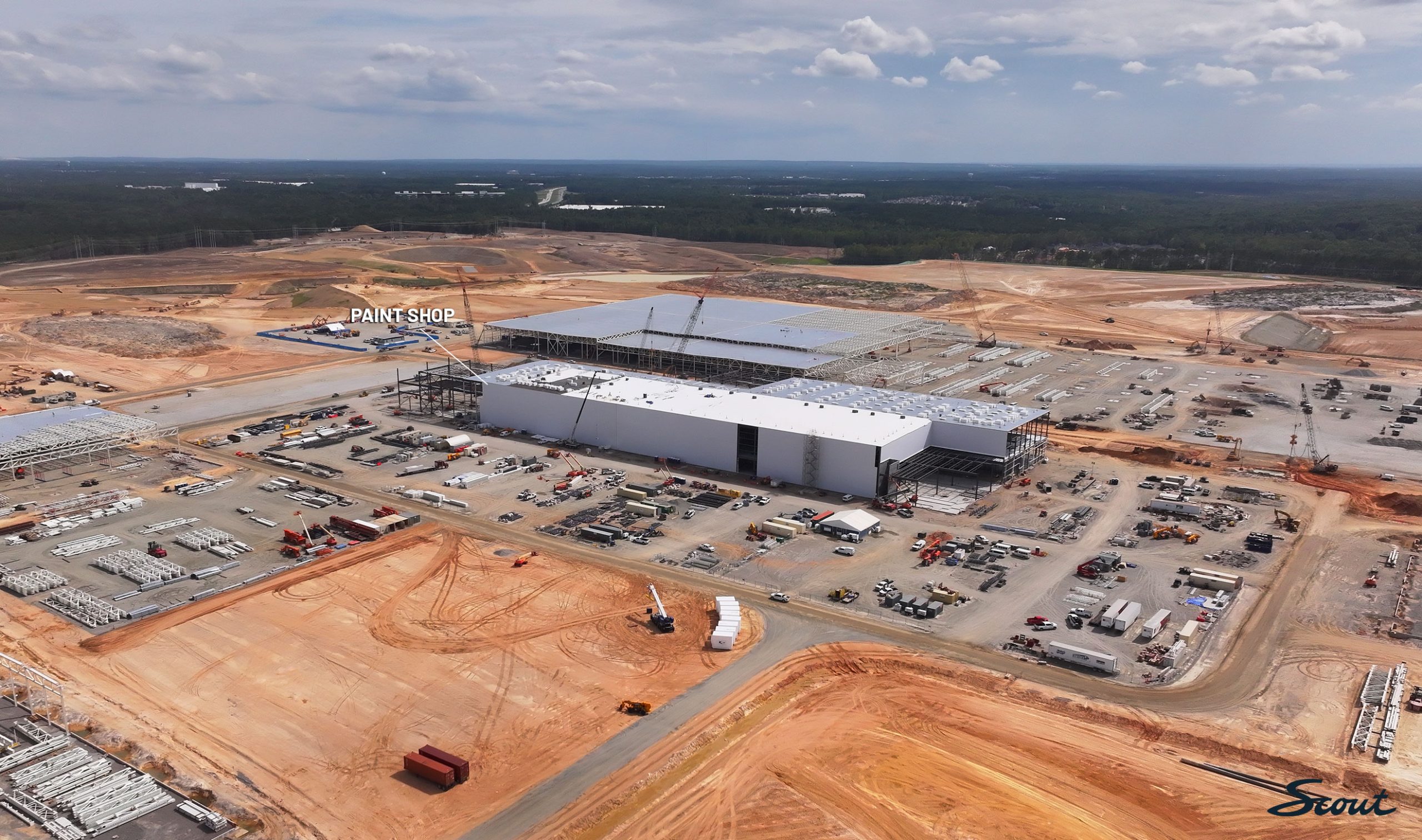
“It’s been a consistent drumbeat. I think we could easily be up over 400,000 with reservations without doing too much effort. The big thing for us is how much of the initial production can we 100% presell, said Scott Keogh, CEO of Scout Motors, during an interview at the South Carolina plant site.”
Keogh expressed a desire to maintain an order book that covers 12 to 18 months of production. However, the company faces the same hurdle that has confronted other manufacturers like Ford and Tesla: the gap between a non-binding reservation and a completed transaction.
While the current interest is robust, the ultimate success of the brand depends on whether these 212,000 potential buyers remain committed once the vehicles move from the showroom floor to the assembly line.
The company is navigating a market where early adoption of EVs has slowed, leading to higher costs for manufacturers attempting to scale. By hedging with EREV technology and focusing on high-volume mid-range models, Scout is attempting to bypass the pitfalls that have stalled competitors who launched with expensive, niche products. Whether this strategy provides the necessary momentum to sustain the brand through 2028 remains the central question for its stakeholders.
Keep reading

Wisconsin Counties With the Highest Percentage of Veterans
Wisconsin’s veteran population is shrinking as the state’s total number of former service members has dropped by nearly...
RP&L Plans Brighter Richmond Future – Western Wayne News
Richmond Power & Light plans to begin converting streetlights to LED technology next year to mark its 125th...
Utah Settlement Mandates Methane Reporting to Protect Ratepayers
The Utah Public Service Commission approved a settlement on Tuesday requiring Enbridge Gas and Wexpro to report methane...

Monahan and Santiago lead Rhode Island College Past Brandeis, 61-60
Eva Monahan delivered the defining moment of the season opener on Wednesday night, sinking the game-winning basket with...