
Public safety changes and street conditions shape economic confidence, as Seattle city leaders learned during a trip to San Francisco last month.
To see how local leaders managed to bounce back from the drops in foot traffic and commercial investment brought on by the pandemic, a group traveling to the California municipality included Seattle Chamber President Joe Nguyen, Downtown Seattle Association President Jon Scholes, and Seattle City Attorney Erika Evans.
“We should legalize fun, certainly in Seattle and in the right way,” Scholes said in an interview.
“The big takeaway is, the jobs and investments, new retailers follow getting the streets looking and feeling better for everybody, and they’ve made public safety, addressing homelessness, addressing drugs, priority number one,” Scholes added.

San Francisco in North America was dead last in terms of economic recovery and foot traffic coming out of the pandemic. Since then, state and local officials have moved to clear streets, add lighting, and pass legislation allowing public alcohol sales in designated entertainment zones during festivals.
Office and retail metrics show gradual improvements alongside persistent challenges. During the third quarter of 2026, Colliers documented that San Francisco’s office vacancy stood at 27.4%, marking an improvement from the 31.1% rate recorded a year prior. Seattle’s office vacancy rate sits above 35%.
Retail conditions have also shifted. Nordstrom pulled all business out of the city in 2023 following concerns regarding retail theft, drugs and crime. The company has since returned with a Nordstrom Local store in Pacific Heights and plans for a large Nordstrom Rack store near Union Square.
Downtown San Francisco Partnership President Robbie Silver pointed to artificial intelligence startups as drivers of office leasing, though ground-floor vacancies remain a hurdle.
“While we’ve seen a lot of momentum in office spaces filling up, a lot of that is driven by AI companies and startups. We still have challenges with ground floor vacancy,” Silver said.
Long-term recovery efforts now center on housing conversions and intervention policies. GrowSF co-founders Sachin Agarwal and Steven Bacio said that political shifts toward public safety preceded the return of tourism and business.
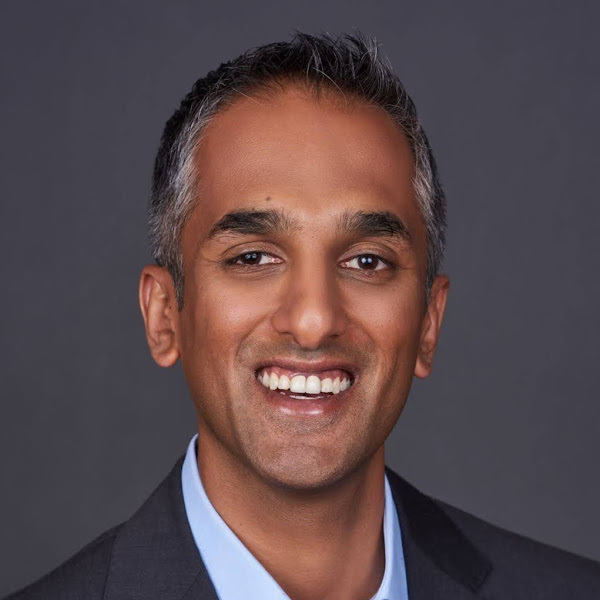
“Crime is at all-time lows. Businesses are coming back. Tourism is coming back,” Agarwal said.
Bacio emphasized that different challenges require distinct policy responses, pointing to the split between homelessness, mental health needs, and substance use disorders.
“A third of the homeless have drug addiction problems, and a third have mental health, untreated mental health problems. The solutions for those are very different from each other,” Bacio said.
Related reading

Ari Emanuel Blames Pete Buttigieg for FAA Ground Stop
On Friday, November 13, 2026, the U.S. Federal Aviation Administration ordered a nationwide ground stop that affected more...
University of Wyoming Saves $45,000 Annually With FormFusion E-Billing
The University of Wyoming saves approximately $45,000 annually after replacing printed mailouts with electronic billing. Before the change,...
Brewers Lose Jake Bauers to Red Sox in $58 Million Deal
First baseman Jake Bauers is leaving the Milwaukee Brewers to sign a four-year, $58 million contract with the...

No. 24 West Virginia Defeats Northwestern 66-53 After Late Run
Northwestern pushed No. 24 West Virginia deep into the fourth quarter before a late 15-2 run sealed a...