
Seattle Voters Double Down on Transit Tax with 73% Approval
Seattle voters have given a resounding thumbs-up to a new sales tax increase, approving Proposition 1 by a margin of 73%. The measure, which will raise the city’s sales tax by 0.3%—about 30 cents on a $100 purchase—is designed to pump an average of $138 million per year into the city’s bus system and transit programs. reported the decisive results, showing a clear continuation of Seattle’s long-standing trend of approving tax hikes to fund public services.
This approval marks the third time in a row Seattle voters have increased the sales tax for transit. Mayor Katie Wilson, who championed the measure, called the results “fantastic.” “It shows that voters really understand how important public transit is to the quality of life in Seattle,” she said in an interview. Wilson noted she was watching national political shifts but believed the measure’s success was uniquely Seattle’s. “I think this is just Seattle loves transit,” she stated. “This is a big affirmation of what we already know: Seattle voters believe in what government can do.”
A Deeper Look at the Numbers
The math behind the proposition is straightforward. The 0.3% sales tax is double the rate of the 2020 measure it replaces. The city estimates that for a median two-person household, the new tax will cost an additional $58 per year, or $29 per person. While this increase is modest for some, its impact is a point of contention. Supporters argue that the people who feel the pinch of a sales tax most acutely are also the most reliant on public transit, making the trade-off worthwhile. Opponents, however, point to census data showing that about 70% of people earning below $50,000 a year in the metro area commute by car, suggesting the tax’s benefits don’t always align with its burden.
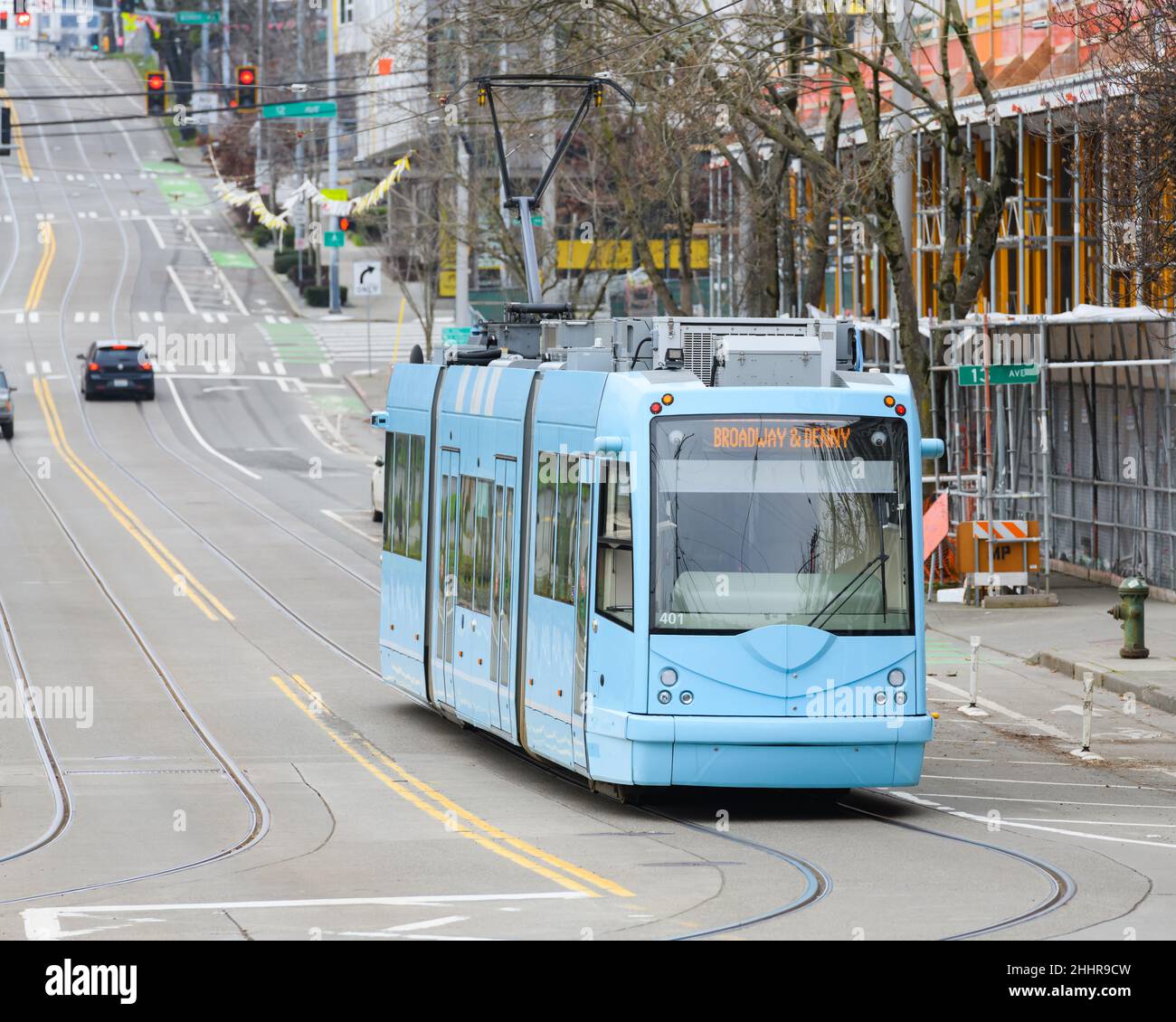
The revenue breakdown reflects the city’s priorities. The lion’s share—around $95 million annually—will go toward maintaining the current bus service and increasing frequency, particularly in lower-income and more diverse neighborhoods, as well as extending service hours on nights and weekends. The remaining funds will be allocated to the Seattle Streetcar, transit access programs (including 12,000 annual passes for residents in Seattle Housing Authority units), Sound Transit 3 light rail projects, and infrastructure to keep buses running on time.
“Keeping robust bus service is also key to the city’s climate and traffic safety goals,” a common refrain from supporters of the measure.
The proposal also comes with a familiar criticism. The tax is regressive, meaning it takes a larger percentage of income from lower-earning individuals. Some voters also questioned the fairness of asking consumers to pay more when, according to past reports, a significant portion of Metro bus passengers evade paying fares. As in 2020, there was no organized campaign against the proposition, but these familiar critiques were still heard in the public conversation.
A History of Transit Funding in Seattle
This vote didn’t happen in a vacuum. This continues a decade-long story of Seattle dealing with transit funding uncertainty. The pattern began after the 2008 recession, when King County Metro, which operates the bus system, sought a countywide sales tax increase. When county voters rejected that 2014 measure, the city stepped in with its own, which passed with 62% of the vote. Six years later, as that measure was set to expire, the COVID-19 pandemic had decimated ridership. Seattle voters again approved a tax increase in 2020, with four out of five voters in favor. Now, with Proposition 1, the city has doubled down once more, reflecting a powerful commitment to funding public transit even as economic pressures from inflation, tariffs, and global conflict continue to rise.
With this approval, Seattle’s sales tax inches closer to the 11% mark. The decision solidifies the city’s identity as a place willing to invest heavily in public infrastructure, a stance that has defined it for years. The real test now lies in execution: whether the new revenue can deliver the more frequent, reliable, and equitable bus service that voters have clearly signaled they want and are willing to pay for.
Worth a look

Cheyenne voters elect new city council and county leaders
Cheyenne Voters Reshape City Council and County Leadership in General Election “I’m feeling great. I’m really excited. It...

Kentucky Basketball hosts James Madison at Rupp Arena on Friday
The 23rd-ranked Kentucky Wildcats host the James Madison Dukes this Friday at 7 p.m. for a non-conference matchup...

Charleston County Council Reacts to Library Book Removals
Charleston County’s public library system has removed two books from its collection and shifted others into new age...

JB Pritzker pushes for aggressive Trump oversight in Washington
Illinois Gov. JB Pritzker arrived in Washington on Thursday to mark the Democrats’ historic victories in this week’s...