
Seattle's young adults report cognitive difficulty at 6.7%, doubling the pre-pandemic rate and ranking 11th among 50 populous U.S. cities.
Seattle’s young adults now report serious cognitive difficulty at twice the rate recorded before the pandemic, according to 2025 American Community Survey data released this week.
The share of residents ages 18 to 34 who say they have serious trouble concentrating, remembering or making decisions climbed to 6.7% in 2025, up from 3.3% in 2019, The Seattle Times reported. That translates to nearly 19,000 people in the city. Nationally, the rate for the same age group rose to 5.8% in 2025 from 4.3% in 2019 — an increase of roughly one-third, the Times analysis shows.
Seattle’s ranking jumps
Seattle moved from 34th to 11th among the 50 most populous U.S. cities for young-adult cognitive difficulty between 2019 and 2025. Portland led at 11.2%, also more than double its 2019 rate, followed by Colorado Springs, Baltimore, Louisville and Tucson. Miami posted the lowest share at 2.2%, WiseVoter reported.
Generational reversal
In 2019, a greater share of Seattle’s middle-aged residents (ages 35 to 64) reported cognitive difficulty than young adults — 5.3% versus 3.3%. By 2025 those positions flipped: the middle-aged rate fell to 4.7% while the young-adult rate reached 6.7%. The pattern mirrors a national shift. In 2015, young adults in only two of the 50 largest cities were more likely than middle-aged adults to report such difficulty; by 2025 that was true in 27 cities, the Times found.
Children’s rate holds steady
Seattle’s rate for children ages 5 to 17 held steady over the decade, contrasting with the national trend where the share rose from 4.1% in 2015 to 5.5% in 2025, according to the Census Bureau survey.
Broader research echoes the rise
A study published last year in the journal Neurology, using a different federal survey, found the share of U.S. adults ages 18 to 39 reporting a cognitive disability nearly doubled between 2013 and 2023, rising from 5.1% to 9.7%.
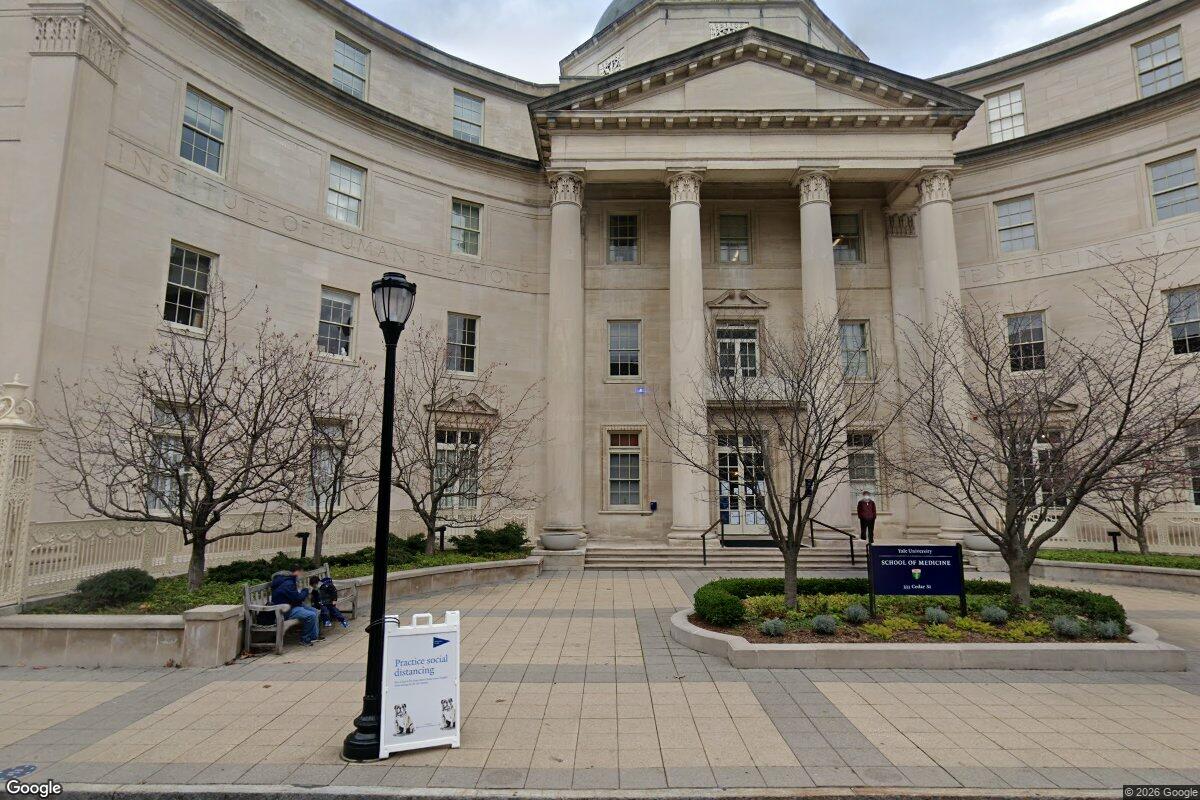
The increase held even after researchers excluded respondents who reported depression, Hoodline reported, citing Yale News coverage of the study. The Neurology study also found higher rates in the South and Midwest and strong links to lower income and lower educational attainment.
Seattle’s spike is post-pandemic
While the national rise began around 2016, Seattle’s numbers remained flat until 2019, making the city’s sudden post-pandemic spike notable, the Times analysis noted. The census measure is self-reported and not a medical diagnosis.
Cause still unknown
“The reasons behind the increase in reported cognitive difficulty remain unclear,” Hoodline reported, summarizing the Times analysis. The Seattle Times also distinguished the cognitive-difficulty figures from separate data on medication use, which showed Seattle ranked sixth among 30 large metros for young adults using medication for depression or anxiety, while Portland ranked first at 25%.
Worth a look

Lexington Drivers Hit Roads Early to Avoid Thanksgiving Traffic and Rain
Lexington drivers are hitting the roads early to avoid traffic and rainy weather ahead of Thanksgiving, WKYT reported....
Michigan Could Pay $28 Million to Fill No Athletic Director Position
The University of Michigan could pay $28 million to fill no athletic director position. The sum includes $17.2...

American Gardens to Open Nov 15 on Former Charleston Parking Lot
Charleston welcomed its newest green space on November 15, 2025, as American Gardens opened on a one-acre parcel...

Pentagon Releases Contractor Report on Vault for Exotic Material in Nevada
The Pentagon released its eighth batch of declassified records on unidentified anomalous phenomena Friday, including a 538-page contractor...