
Oregon voters solidified a shift toward pro-labor legislative control in the November 3rd General Election, granting a clear mandate to address the rising cost of living across the state.
The results, confirmed following the count of ballots cast during the November 3rd election, secure a second term for Governor Tina Kotek and expand the Democratic supermajorities in both the Oregon House and Senate.
The election outcome indicates a decisive push for economic policy reform. According to SEIU503 Local, the campaign effort focused heavily on affordability, with union members participating in a massive outreach operation that included knocking on over 50,000 doors and conducting more than 30,000 phone calls to voters. This mobilization effort was designed to counteract corporate-backed influence in key legislative districts.
Shifting Power in the State Legislature
New faces in Salem will be tasked with carrying out this affordability agenda. In the Oregon Senate, Virginia Stapleton secured a victory in Salem, picking up a pro-worker seat that strengthens the caucus. The Oregon House will see similar gains, with Michael Welsh winning in Marion County and Hank Sanders taking a seat in Hood River.
Beyond these additions, the election was notable for the successful defense of several high-stakes legislative contests. Incumbents and candidates such as Representative Cyrus Javadi on the North Coast and Denise Krause in Southern Oregon held off challengers in districts where the margins remained tight.
These results reflect a trend where voters in both urban centers and rural areas prioritized the protection of core state services, including the Oregon Health Plan and the Supplemental Nutrition Assistance Program (SNAP).
Local Election Impacts and Unresolved Contests
The mandate for change extended well beyond the state capitol. Local election results from Portland to Lane County show a consistent preference for candidates aligned with labor-backed platforms. From city council races in Hillsboro and Gresham to broader county-level contests in Multnomah, Washington, and Deschutes counties, the election cycle favored platforms centered on tax equity and the protection of working-family budgets.
However, the full picture of the 2026 election has yet to be finalized. Several contests, including seats on the Marion County Commission and the Keizer City Council, remain undecided as officials continue to process the final ballots. Voters can monitor the status of these races through the official election results portal provided by the state.
The Road to the 2027 Legislative Session
As the state transitions from the campaign trail to the 2027 legislative session, the focus for labor organizers will shift to policy implementation. The primary goal is to establish a tax structure that ensures the wealthiest Oregonians contribute a larger share, thereby alleviating the financial burden on middle- and lower-income families. Union leadership intends to hold elected officials accountable to the campaign promises made during the lead-up to November 3rd.
The economic stakes are high. For many families, the cost of housing and daily essentials has outpaced wage growth, creating a pressure point that defined the election narrative. The push to avoid balancing the state budget through cuts to essential services is expected to be the central conflict when the legislature convenes in 2027.
If the legislative branch fails to align with this mandate, labor groups have already indicated a willingness to bypass the capitol and take their policy proposals directly to the ballot box.
While the focus remains on the upcoming legislative agenda, the immediate aftermath of the election is a period of transition. The 2026 cycle has demonstrated that voters are increasingly sensitive to the intersection of state fiscal policy and their personal financial stability. Whether this shift results in tangible relief for Oregon households remains the central question for the next two years.
Keep reading

ILC Dover, ILC Astrospace Pay $13 Million Over Cybersecurity Claims
Two aerospace and defense contractors will pay $13 million to resolve allegations that they failed to meet mandatory...
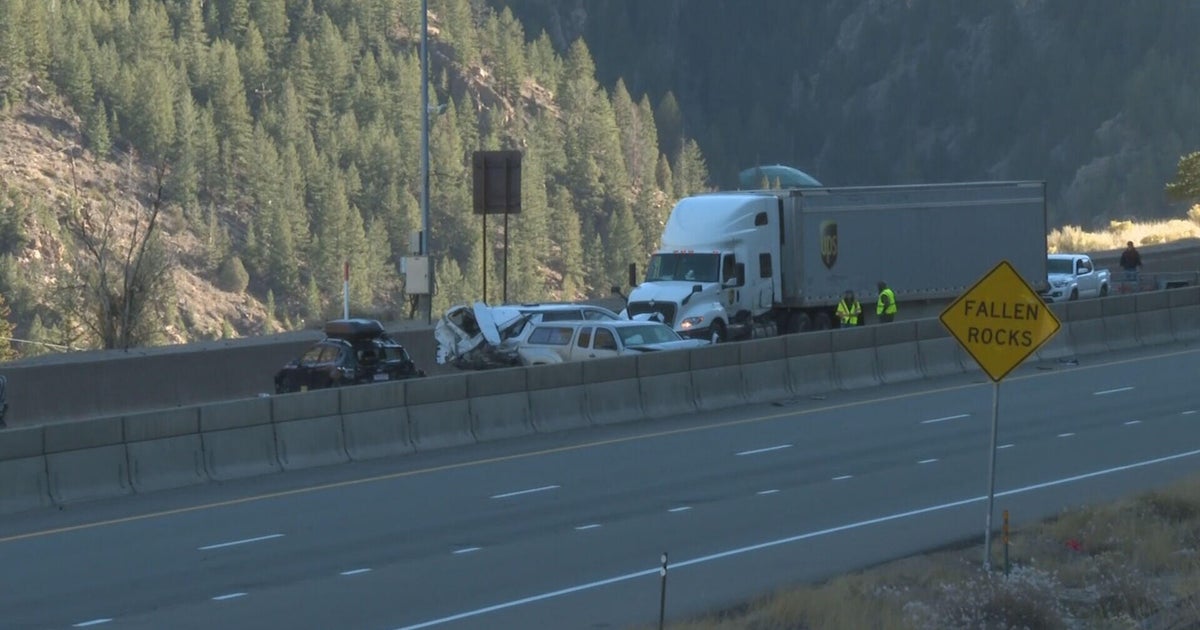
Semi-Truck Crashes Into Traffic on I-70 Injuring People
A semi-truck crash involving vehicles closed eastbound I-70 near Georgetown on Thursday, injuring people and blocking traffic in...

Quantum Cyber Reports First Revenue and Bridgeport Facility Operational
Quantum Cyber N.V. generated its first revenue following a strategic pivot to autonomous defense, according to a third...

UC Irvine Cross Country Eyes NCAA Championships at West Regional
UC Irvine cross country heads to Sacramento on Friday, Nov. 13, with a direct path to the NCAA...