
The Senate voted 62-33 Thursday to pass the Bipartisan American Affordability and Jobs Act, sending a sweeping permitting overhaul to the House as kilowatt-hour prices climb 39 percent above where they stood five years ago.
The legislation, authored by two Democrats and two Republicans, cleared the chamber with 14 Democrats and one Independent joining most Republicans. It now heads to the House.
The price pressure driving the vote
Nationwide, the cost of a kilowatt-hour has risen more than 6 percent in the last year alone and 39 percent over the last five, outpacing overall inflation.
Rhode Island Democratic Sen. Sheldon Whitehouse, a co-author, said the bill would make data centers pay for the power they consume and predicted quick relief for households if the House follows suit. “Americans will quickly begin getting some relief on their energy bills if the House follows suit,” Whitehouse said.
West Virginia Republican Sen. Shelley Moore Capito, another co-author, framed the vote as a breakthrough on permitting reform. “Tonight, the passage of permitting reform in the Senate finally became reality and we took a major step towards addressing the affordability concerns of the American people,” Capito said.
Senate Majority Leader John Thune added the measure would “cut through decades of red tape” and “save the average household hundreds of dollars each year, and Americans will see better roads, more American manufacturing, and better-paying jobs.”
Tonight, the passage of permitting reform in the Senate finally became reality and we took a major step towards addressing the affordability concerns of the American people. I have spent years trying to achieve bipartisan compromise on legislation that gets our nation back to…
Data centers and the demand surge
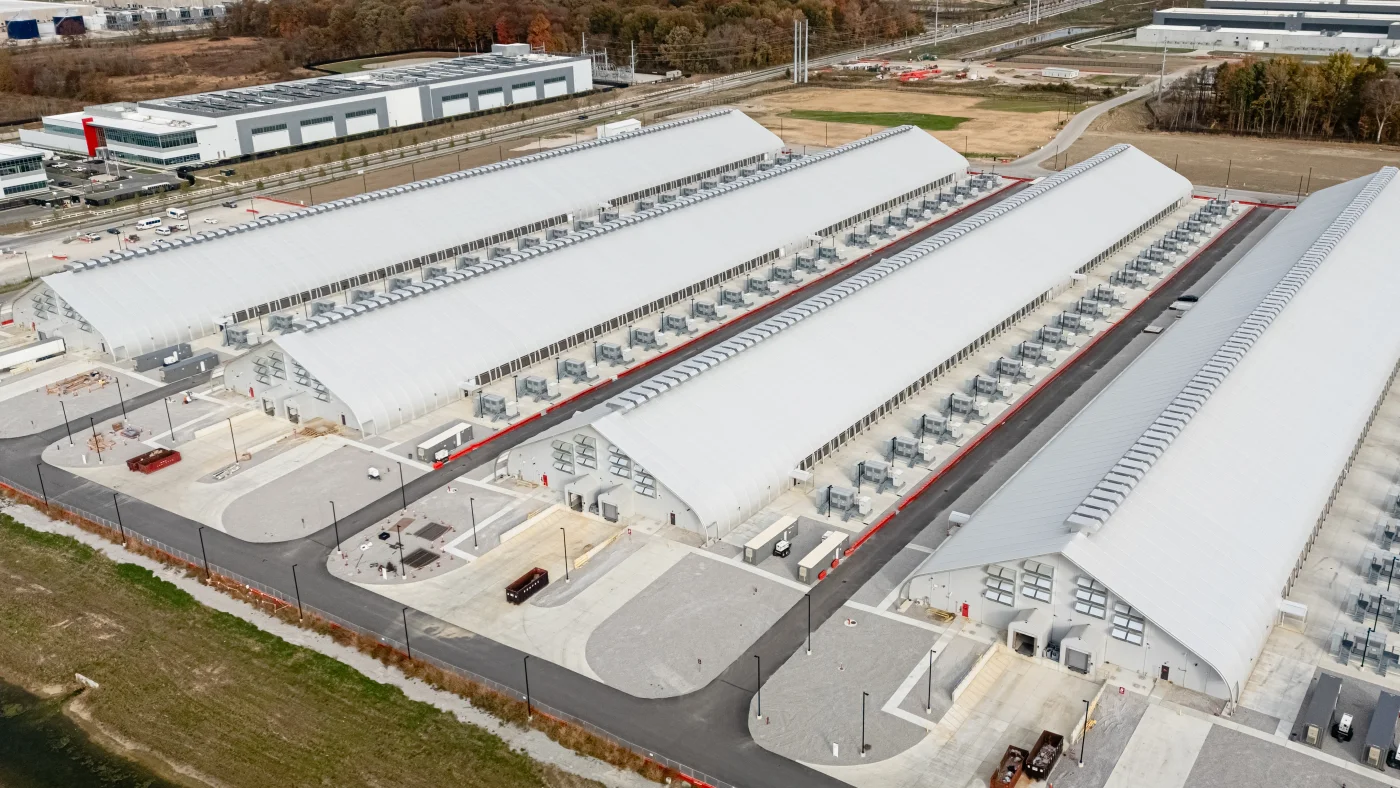
The bill arrives as artificial intelligence workloads drive a construction boom in energy-hungry data centers. Public opposition to data center proliferation has cut across party lines in multiple states, complicating the politics of any bill that accelerates their approval.
Environmental and tribal objections
Major environmental groups, including the Sierra Club and the National Wildlife Federation, oppose the bill, arguing it weakens environmental accountability. Many Democrats voted no, warning the measure makes it easier to greenlight oil and gas projects and energy-hungry data centers while eroding clean air and water protections. Washington Democratic Sen. Maria Cantwell posted on X: “Don’t sacrifice the Clean Water Act, hunting or fishing grounds, historic or sacred sites, or protections of tribal sovereignty.”
California Sen. Alex Padilla echoed the concern: “I support cutting red tape and getting more energy projects built, but not at the expense of tribal sovereignty and California’s environment.” Oregon Democratic Sen. Jeff Merkley called the bill “a bad deal.” “It opens the gates to a flood of natural gas for data centers while leaving expanded transmission of renewable energy subject to Trump’s obstruction,” Merkley said on X.
Trump weighs in
President Trump urged Congress to approve the bill in a recent social media post, calling it a “BIG WIN for U.S. "ENERGY INDEPENDENCE and DOMINANCE." The endorsement shows the bill lines up with a fossil-friendly energy posture even as co-authors Whitehouse and Capito emphasize transmission and renewable build-out.”
Whitehouse, a former U.S. attorney and state attorney general, first won the Senate seat in 2006 by defeating incumbent Lincoln Chafee, becoming the first Democrat to hold it since 1970. He has since been reelected three times and became chair of the Senate Budget Committee in 2023.
A longtime climate advocate, he has delivered hundreds of floor speeches on the issue and has argued that conservative “dark money” groups are working to capture the Supreme Court to block climate action.
The House has not scheduled a vote. Julia Simon contributed reporting for NPR.
Passing BAAJA in the Senate is a major step forward. Grateful to my colleagues and our friends in the labor movement and the clean energy industry for their hard work to make this happen. Americans will quickly begin getting some relief on their energy bills if the House…
More on Bipartisan American Affordability
The Bipartisan American Affordability and Jobs Act cuts through decades of red tape that has made building things in America unnecessarily difficult and costly. It’s estimated that this bill will save the average household hundreds of dollars each year, and Americans will see… pic.twitter.com/YEl2NHV32x
Don't sacrifice the Clean Water Act, hunting or fishing grounds, historic or sacred sites, or protections of tribal sovereignty. We need new sources of energy and power. But this bill, as it's currently drafted, is not the answer. https://t.co/U1vlgK0MCm
I support cutting red tape and getting more energy projects built, but not at the expense of Tribal sovereignty and California’s environment. Though I had to oppose this bill, I will continue to work to modernize our grid and get renewable energy projects across the finish…
— Post by @SenAlexPadilla on X Washington Democratic Sen. Maria
The permitting bill needs work. It opens the gates to a flood of natural gas for data centers while leaving expanded transmission of renewable energy subject to Trump's obstruction. A bad deal. https://t.co/wIATX66sBF
- WSJ Reports Tech Outages Hit Year High, Systemic Events Below Normal; Identifies Four Risk Channels
- Lewis and Clark National Forest in Montana Logged 269,000 Visits in Its Survey Year
- Diversified Energy Gives 350 Shoe Pairs to Oklahoma City Students (archyde.com)
- Trump administration moves to dismiss lawsuit over Alaska Senate race (newsarchyuk.com)

WSJ Reports Tech Outages Hit Year High, Systemic Events Below Normal; Identifies Four Risk Channels
Widespread technology outages hitting Microsoft, United Airlines, and JPMorgan Chase in the week through Tuesday reached their highest...
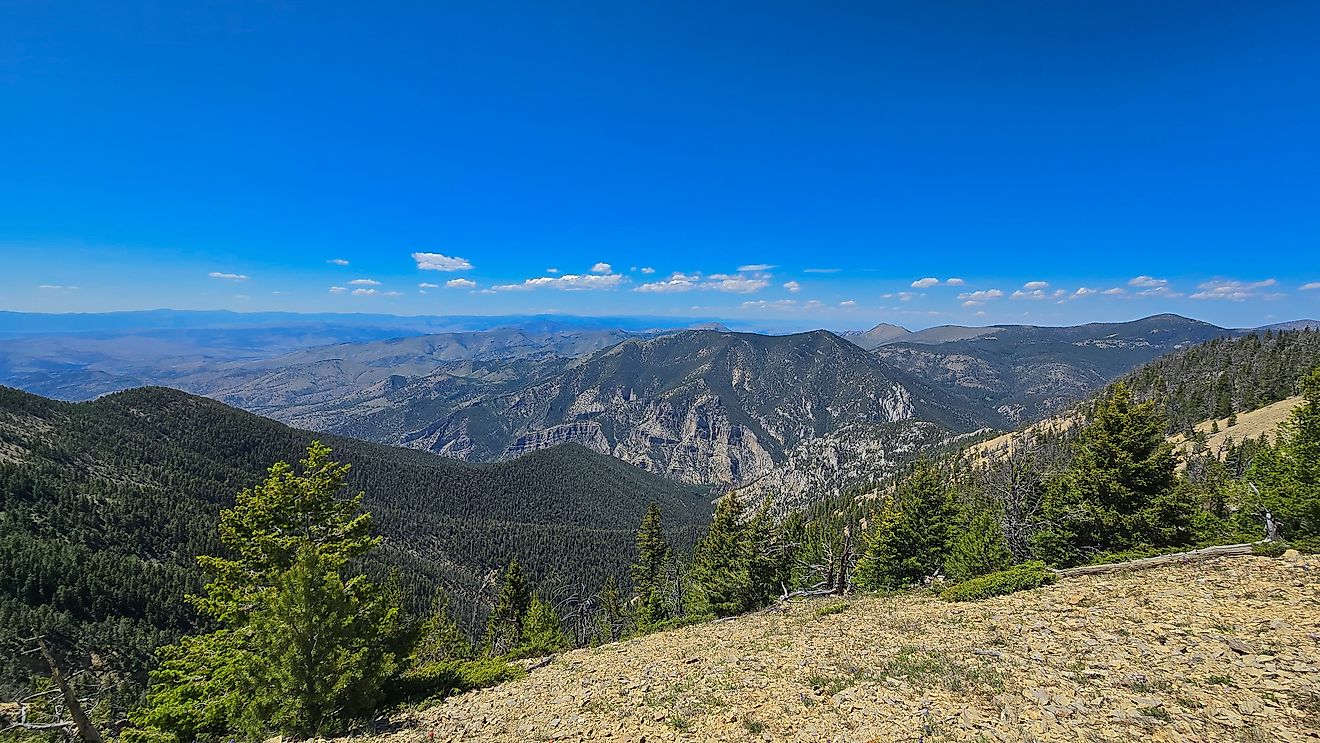
Lewis and Clark National Forest in Montana Logged 269,000 Visits in Its Survey Year
Lewis and Clark National Forest in Montana logged 269,000 visits in its survey year, while Nantahala-Pisgah in North...

New Mexico Environment Department Shuts Six Ojo Santa Fe Pools Over Disinfection, Safety Violations
The New Mexico Environment Department shut down six of the ten communal pools at Ojo Santa Fe on...

Oklahoma Hosts Texas A&M in Renewed Rivalry: Sooners Eye Third Straight Win Against Aggies
Oklahoma hosts Texas A&M at 2:45 p.m. Saturday on ESPN2, renewing a dormant rivalry for the first time...