
Sioux Falls Sales Tax Rises as Officials Track Q4 Economic Pressures
Economic activity in Sioux Falls is running ahead of budget as the city enters the final quarter of the year, though growth remains concentrated in specific sectors while consumer spending stays flat, KELO reported.
Every quarter, the South Dakota Governor’s Council of Economic Advisors meets to assess conditions across the state. In the state’s largest city, total sales tax collections—widely watched as a primary measure of local economic activity—are tracking about seven percent ahead of projections for this point in the year.
“I mean, overall, you look at our sales tax, which is a good measure of economic activity in the community, we’re up higher than we expected at this point in the year and ahead of budget at this point,” Shawn Pritchett, the Director of Finance for the City of Sioux Falls, said.
That seven percent increase comes after three consecutive years where overall growth hovered near zero, one, and two percent.
The gains, however, are not spread evenly across the local marketplace. Pritchett noted that heavy manufacturing and the wholesale trade of durable goods are up significantly. Meanwhile, traditional consumer staples like grocery stores and department stores are running flat.
The primary area driving notable retail growth is online shopping. “The only thing that seems to be growing significantly is remote retail sales, or your online sales,” Pritchett said. “I think that’s driven by convenience but also consumers looking for the least expensive alternatives online as well.”
City finance officials point to historically low consumer sentiment, driven largely by inflation, high energy prices, and tariffs, as a persistent drag on everyday purchasing power. Statewide, a presentation given by the Bureau of Finance and Management to the Governor’s Council of Economic Advisors showed overall sales tax numbers up around eight percent, even as personal income growth edges slightly downward.
West River Leisure Market Sees Softening Demand
Across the state in Rapid City, economic pressures are manifesting differently, particularly within the tourism and hospitality sectors.
“Right now we’re seeing a real softening in the leisure market and, you know, there’s some headwinds and pressures coming through energy,” Caleb Arceneaux, CEO of Liv Hospitality in Rapid City, said. “Gas prices is really playing a part in kind of suppressing some of the demand we typically see in West River.”
Arceneaux reported lower occupancy rates driven by a slowdown in leisure travel, though visitors who are making the trip continue to spend at higher levels. Upper-upscale and luxury-level hotels are seeing travelers with more means sustain higher spending per visit, counterbalancing the dip in raw headcounts.
Despite the headwinds facing specific industries in both Sioux Falls and the Black Hills region, local leaders maintain an optimistic outlook for the broader South Dakota economy as the fourth quarter unfolds.
Worth a look
- Fire Breaks Out at Boarded-Up Santa Barbara Apartments in Albuquerque
- NJ Democrats Rally in Springfield to Flip Congressional Seat Ahead of 2026 Midterms
- Iguazú Falls: Brazil vs Argentina – Which Side is Better? (archyde.com)
- U.S. Pushes to Restore Russian Gas Sales to Europe Via Ukraine (newsarchyuk.com)
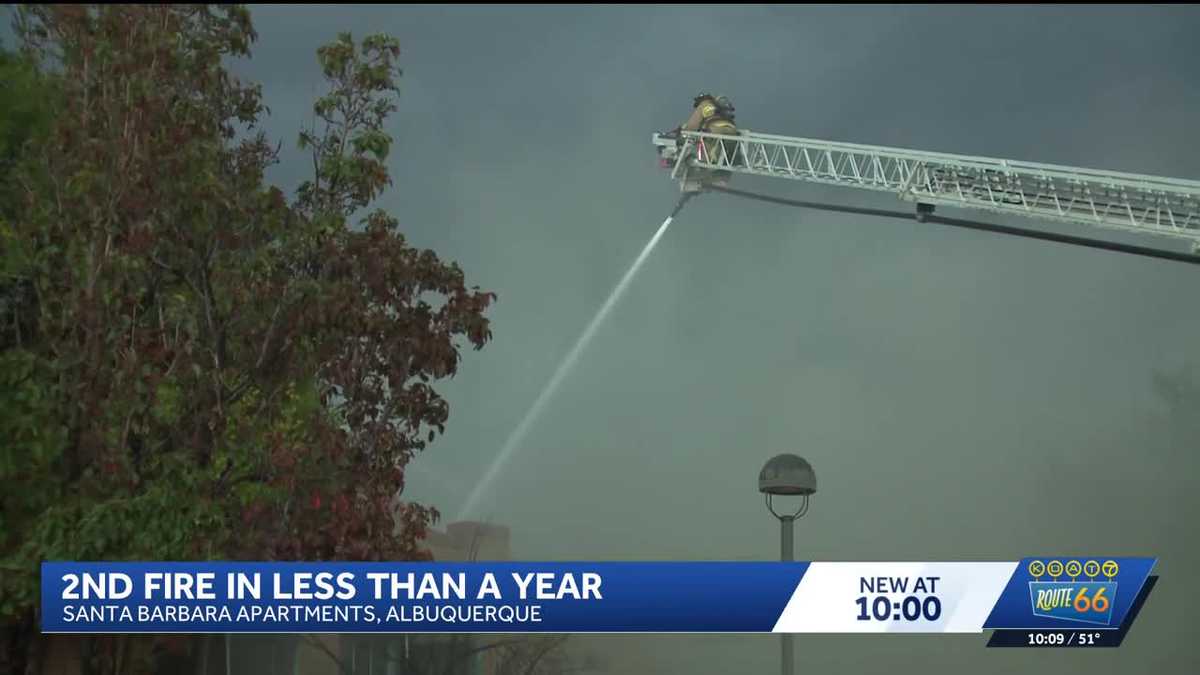
Fire Breaks Out at Boarded-Up Santa Barbara Apartments in Albuquerque
Heavy smoke and strong winds forced temporary evacuations in Albuquerque Monday night as Albuquerque Fire Rescue battled a...

NJ Democrats Rally in Springfield to Flip Congressional Seat Ahead of 2026 Midterms
Holding up the American flag patch she wore on her flight uniform for the decade she served as...

Manchester City Face Left-Back Dilemma Over Gvardiol
Manchester City defensive puzzle leaves Enzo Maresca searching for answers at left-back Back-to-back Premier League defeats have exposed...

Nevada 2026 Midterm Election: Voting details for Washoe County residents
Tuesday marks the final opportunity for eligible residents who haven't yet voted in Nevada's 2026 midterm election. Polls...