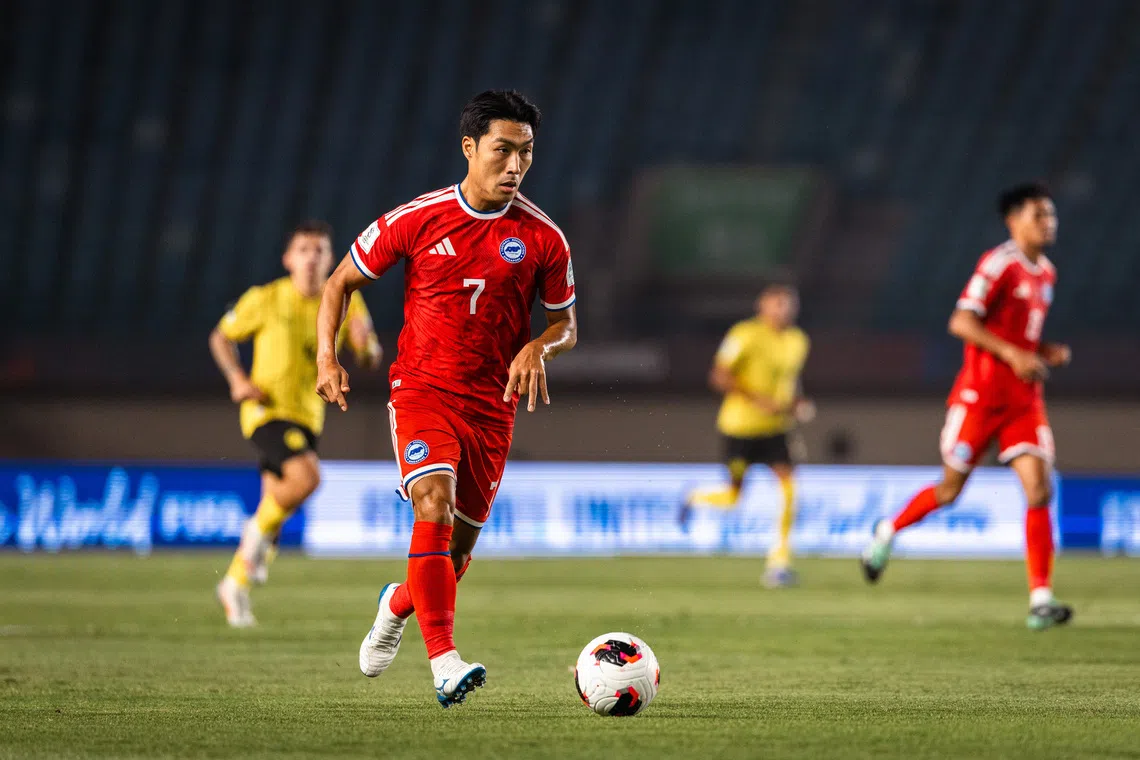
Singapore were eliminated from the FIFA ASEAN Cup after a 6-0 defeat to Malaysia in Bandung on October 1, 2026, with the Harimau Malaya missing the final despite the emphatic win due to Indonesia’s 9-2 victory over Bangladesh.
Singapore’s campaign in the FIFA ASEAN Cup ended in heartbreak on October 1, 2026, as they suffered a 6-0 thrashing by arch-rivals Malaysia in Bandung. The loss, Singapore’s worst loss to Malaysia at senior level, saw Malaysia’s Bergson net a hat-trick, while Indonesia’s 9-2 win over Bangladesh secured them top spot in Group A, eliminating Malaysia from the final despite their dominant performance.
Indonesia Edges Malaysia on Goals Scored
Malaysia’s 6-0 victory was a clinical display, with Bergson scoring three goals, including a penalty in the eighth minute after a VAR review. Stuart Wilkin added a second, while substitutes Paulo Josue and Syahir Bashah extended the lead. Bergson completed his hat-trick in stoppage time, but the result proved insufficient as Indonesia’s 9-2 win over Bangladesh in the same group meant they edged ahead on goals scored.
We want this kind of game that really gives us a good feeling,
said Malaysia coach Tan Cheng Hoe, who praised his team’s performance but expressed disappointment at missing the final. Both teams finished on seven points and a goal difference of +9.
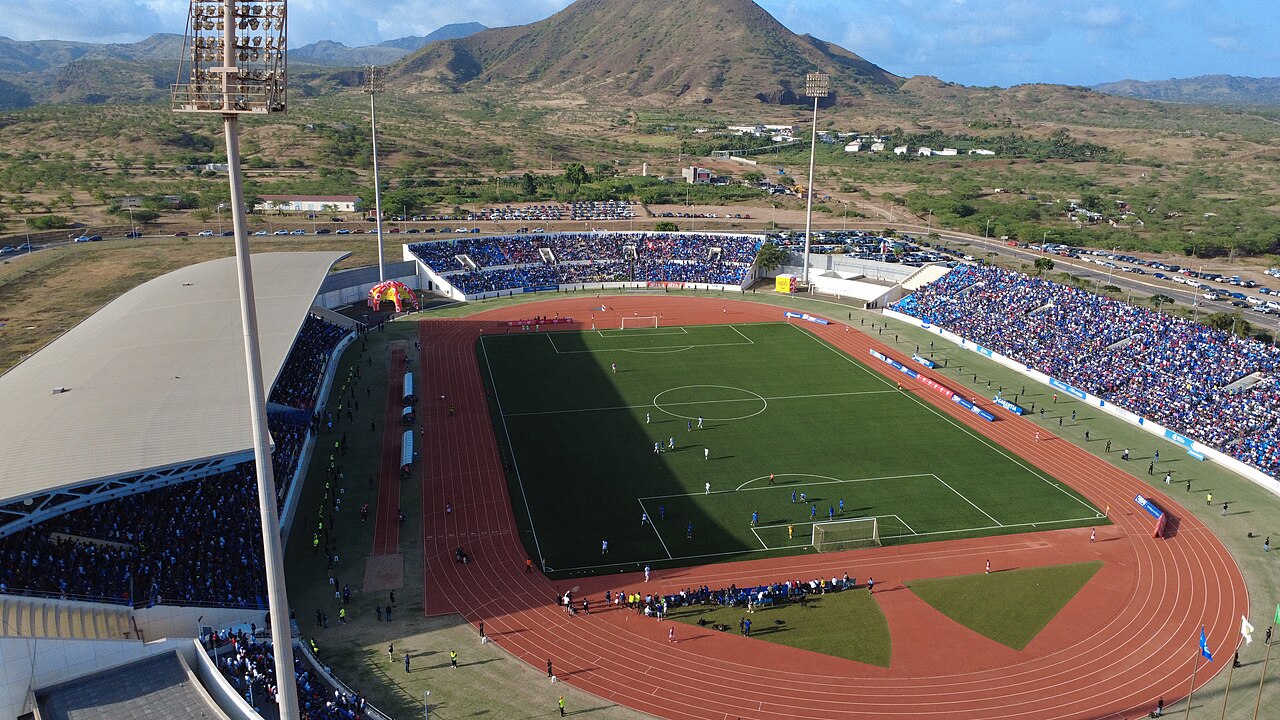
The match was played at the Si Jalak Harupat Stadium in Bandung, with Malaysia needing a significant scoreline to advance. They secured their 6-0 win despite Singapore’s strong first-half response, including a save from goalkeeper Syihan Hazmi denying Song Ui-young in the 14th minute. Malaysia’s dominance was cemented in the second half, with Arif Aiman’s cross leading to Bergson’s second goal in the 62nd minute and Paulo Josue’s 76th-minute strike leveling the goal difference with Indonesia.
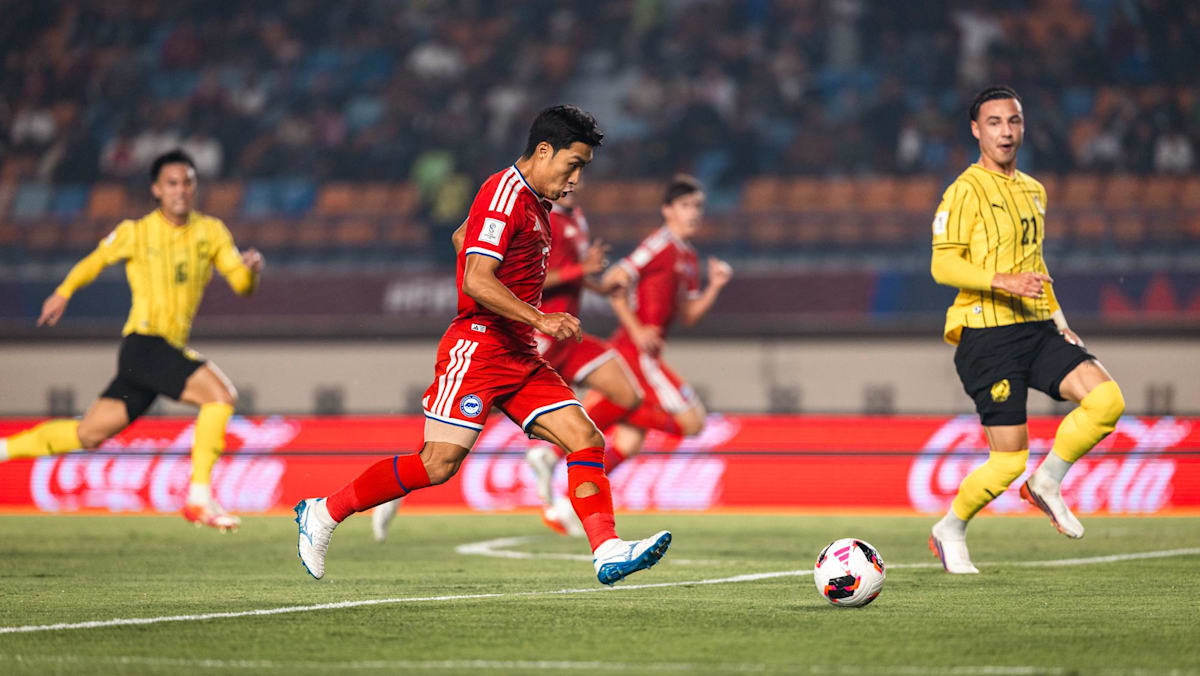
Indonesia’s 9-2 victory over Bangladesh in the same group ensured they finished top of Group A with seven points and a +9 goal difference. Malaysia, despite the 6-0 win, ended second with seven points but fell short on goals scored. The result meant Malaysia faced Vietnam in the third-place playoff, while Indonesia advanced to the final against Thailand.
Coach Tan Cheng Hoe emphasized the team’s growth. Every game has always been a reality check,
he said, reflecting on the team’s journey.
Singapore Struggles Against Malaysia Despite Growth Strategy
Singapore’s defeat highlighted their struggles against Malaysia, a recurring challenge in the rivalry. Coach Gavin Lee, however, emphasized growth over results. Despite the loss, Lee noted the team’s efforts, a strategy that had seen them hold Vietnam to a goalless draw in the ASEAN Championship.
Singapore’s campaign had been inconsistent, with a 1-0 win over Bangladesh and a 2-0 loss to Indonesia prior to the match. The team’s reliance on counter-attacks failed to yield results, as Malaysia’s attacking flair and clinical finishing exposed defensive vulnerabilities. Defender Safuwan Baharudin returned from suspension, but the Lions’ lack of creativity in the final third proved costly.
Lee acknowledged the challenges of facing Malaysia. Singapore’s recent form included a 1-0 win over Bangladesh and a 2-0 loss to Indonesia. The Lions finished third in Group A with three points, while Malaysia and Indonesia tied on seven points.
The match also highlighted Singapore’s depth issues. Lee’s focus on youth development and tactical innovation was evident, though the 6-0 loss showed the gap between the two sides.
Singapore Suffers Heaviest Senior Defeat to Malaysia
The 6-0 loss marked Singapore’s heaviest defeat to Malaysia at senior level, reigniting memories of past clashes. Malaysia, meanwhile, will face Vietnam in the third-place playoff, while Indonesia will meet Thailand in the final. The result also highlighted the unpredictability of the tournament, where Group A’s tight race saw Malaysia and Indonesia trade blows before the final day’s dramatic finish.
The match also showed the growing strength of Malaysian football, with naturalized players like Bergson and Arif Aiman proving decisive in their campaign.
Head-to-head statistics show Malaysia’s edge in the rivalry, with 24 wins, 20 losses, and 24 draws in 68 meetings. Including a 2-1 friendly victory in September 2025, Singapore’s sole win in the series came in a 2022 friendly, where they edged a 2-1 result as the home side.
What’s Next for Both Teams?
For Singapore, the defeat marks the end of their ASEAN Cup journey, with the Lions now focusing on the 2027 AFC Asian Cup. Malaysia, despite missing the final, will aim to secure a bronze medal against Vietnam. The tournament’s outcome has also sparked discussions about the need for Singapore to invest in youth development and tactical innovation to close the gap in future encounters.

The match’s implications extend beyond the tournament, with Malaysia’s performance signaling their emergence as a regional power. Coach Tan Cheng Hoe’s emphasis on the squad’s evolution, while Singapore’s challenges highlighted the need for sustained investment in football infrastructure.
As the dust settles on this contentious Group A clash, the narrative remains one of resilience and near-misses. For Malaysia, the 6-0 win proved their progress, while Singapore’s journey highlights the challenges of competing against a rising force in Southeast Asian football.
Malaysia’s victory also had financial implications, with 1xBet offering odds of 1.35 for a win. The bookmaker’s predictions aligned with the match’s outcome, as Malaysia’s dominance was reflected in the betting markets. Singapore’s defeat further solidified Malaysia’s position as a favorite in future encounters, with analysts noting their improved depth and tactical cohesion.
The event also drew attention to Malaysia’s squad changes, including the inclusion of newly naturalized players like Bergson and the return of experienced defenders like Dion Cools.
Looking ahead, Malaysia’s third-place playoff against Vietnam will test their resilience, while Singapore’s focus shifts to the 2027 Asian Cup. The tournament’s outcome has reshaped regional football dynamics, with Malaysia’s progress showing a new balance of power in Southeast Asian football.
Related reading

Nathan Cleary Wins First Dally M Medal and Andrew Webster Claims Coach of the Year
Penrith halfback Nathan Cleary secured his first career Dally M Medal and Warriors mentor Andrew Webster claimed Coach...

NBA Teams Look To Return To Postseason Ahead Of 2026 27 Season
As the 2026-27 professional basketball season approaches, 10 franchises look to reclaim postseason berths through high-profile roster additions,...
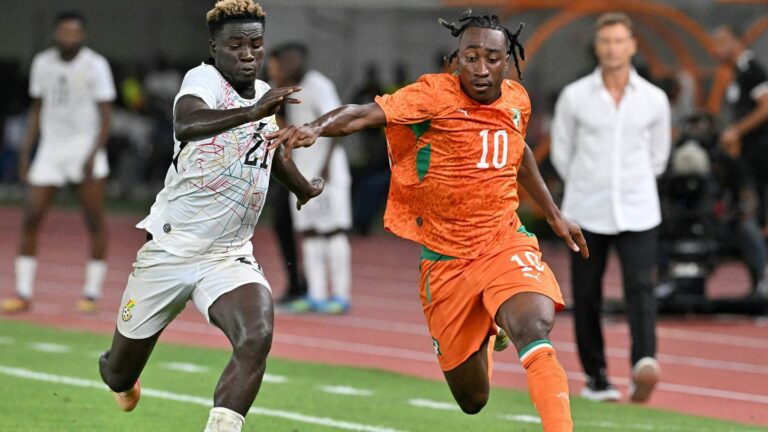
Yan Diomande Pressures José Mourinho for Real Madrid Starting Role
Real Madrid winger Yan Diomande has sparked a selection debate for manager José Mourinho following a standout performance...

Bear 89 Wins Alaska Fat Bear Week Competition
Backpack, a 20.5-year-old brown bear known as Bear 89, won the 12th annual Fat Bear Week competition in...