
Sioux Falls is rewriting the contract that keeps its zoo running, and the numbers tell a story of a partnership shifting beneath the surface.
The city has funneled $2 million annually to the Sioux Falls Zoo & Aquarium to manage the Great Plains Zoo, a figure that jumped 10 percent in 2023 and another 17 percent in 2024 before leveling off, Pigeon605 reported.
That $2 million now covers roughly 27 percent of the zoo’s annual operating budget. “This is in alignment with what’s expected across municipal zoo partnerships across the nation,” Brett Kollars, the city’s parks and recreation director, told Pigeon605. “They range from 25 to 30 percent.”
The increases weren’t arbitrary. They were driven almost entirely by the rising cost of animal care — specifically, wages for the keepers and specialists who work directly with the collection.
The zoo owns the animals; the city owns the land, the buildings, and the infrastructure that surrounds the exhibits. Walkways, turf management, fertilizing, the pollinator garden, snow removal, and the splash pad operations added a few years ago have all fallen to the city’s maintenance crews.
The proposed agreement flips that arrangement. The zoo would assume responsibility for maintaining the facilities, and the city would provide the funding to do it. “We are aiming for this agreement to communicate the expectations in facility maintenance and also providing the funding to do so,” Kollars said.
“All of our parties are really eager to get the new agreement in place, and we want to keep our momentum there,” Kollars told Pigeon605. “I expect us to stay ahead of a six-month timeline.”
To bridge the gap, the City Council is expected to vote in December on a six-month extension of the current contract. A finalized deal could land as early as March.
The new terms also contemplate a conditional liquor license to support special events — not daily sales — and they lock in a $4 million city contribution from entertainment tax revenue toward the aquarium construction on the zoo campus. That public money comes last, Kollars noted, only after the zoo secures financing and provides bank commitment letters proving the pledged donations can be cashed out.
The shift reflects a broader recalibration of who does what in municipal zoo management. By moving facility maintenance onto the zoo’s ledger, the city gains predictability; the zoo gains control over the condition of the campus it occupies daily. Whether that balance holds will be tested in the first budget cycle under the new deal.
The City Council votes on the extension next month.

GreekReporter: Up to 50,000 Braved Danger for Ancient Panhellenic Games
Thousands of spectators once braved the rugged, dangerous terrain of ancient Greece, traveling for days to witness the...
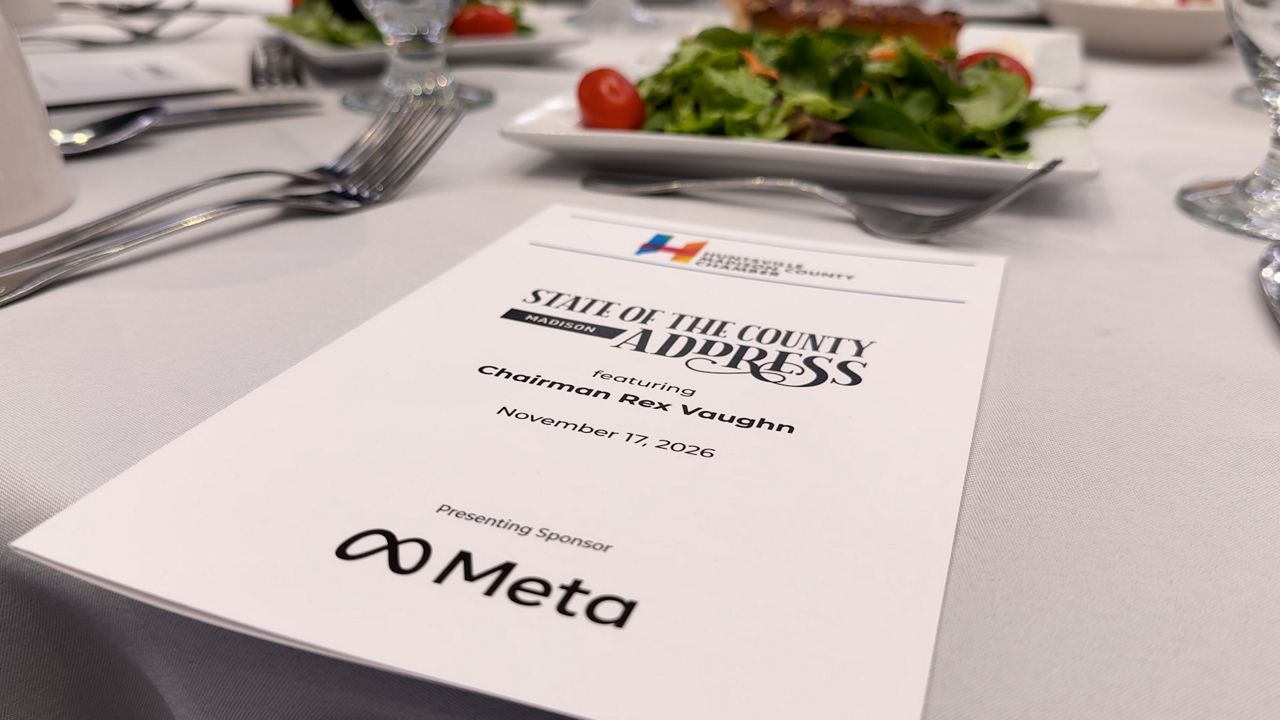
Madison Chair Vaughn Delivers First State of County, Outlines $150M Courthouse Plan
“Our goal is to maintain the roads operating around the courthouse square, that’s the first priority,” Chairman Rex...

Wyoming Guard, Tunisia Partners Strengthen Ties With Visit
C-130 aircraft and military readiness brought U.S. Ambassador to Tunisia Bill Bazzi and members of the Tunisian Armed...

Charleston County Confirmed Data Removed in Cyber Incident, SLED Assisting
Charleston County confirmed Monday night that data was removed from its government systems during a cybersecurity incident detected...