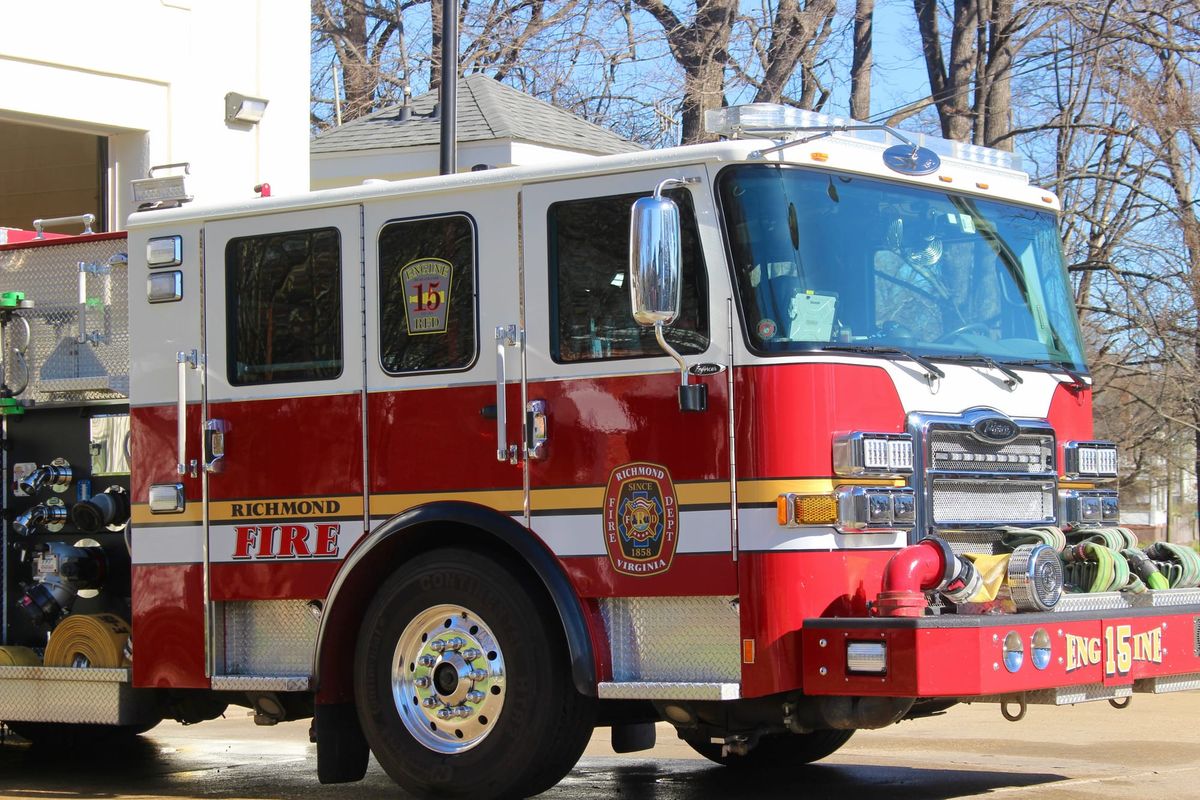
For the Richmond Fire Department, the math of public safety has fundamentally broken. While the city has long relied on a steady replacement cycle to keep its fleet operational, the sticker price for essential equipment has surged to levels that defy standard economic projections. As reported by The Richmonder, the cost of a single fire engine has leaped from $646,000 in 2021 to a staggering $1.1 million to $1.3 million today.
This isn’t just a local budget headache; it is a symptom of a national market shift. According to the U.S. Bureau of Labor Statistics, a $646,000 investment in 2021 should cost roughly $832,000 today. The reality on the ground, however, is that costs have nearly doubled in five years. For Richmond Fire Chief Jeffrey Segal, the disconnect between anticipated inflation and actual market prices has left his department scrambling to justify ballooning budget requests to the City Council.
The Concentration of Manufacturing Power
Chief Segal has pointed to a primary driver behind these figures: market consolidation. Today, three major manufacturers—REV Group, Rosenbauer, and the Oshkosh Corporation—control between 70% and 80% of the entire fire apparatus market. This industry bottleneck has changed the leverage dynamic between cities and suppliers.
The impact of this consolidation extends far beyond Richmond. Fire departments from Michigan to Virginia report that the acquisition of smaller, independent manufacturers by these industry giants has led to significant production backlogs and a steady, quarterly increase in prices. During a September 2025 hearing before the U.S. Senate, industry representatives acknowledged that multi-year delivery delays and supply chain pressures have contributed to the current climate, though manufacturers have largely denied any violation of antitrust laws.
Stakes for Local Taxpayers
The financial pressure is forcing local governments into difficult positions. In fiscal year 2022, Richmond budgeted $2.4 million for new fire apparatus. By last year, that figure had climbed to $4.5 million. For the upcoming fiscal cycle, Chief Segal has requested $6.3 million to replace a tractor-drawn aerial truck, two engines, a brush truck, and several utility vehicles.
Councilor Stephanie Lynch, while noting her alarm at the size of the request, acknowledged the danger of deferring these purchases. Maintenance costs for aging, out-of-service vehicles can eventually eclipse the cost of buying new ones. “It would be pennywise, pound foolish to not stay on schedule with replacement and maintenance,” Lynch said during the Public Safety Committee hearing.
The situation has created a sense of helplessness among some local leaders. Councilor Sarah Abubaker expressed deep frustration during recent committee discussions, characterizing the current market environment as a form of profiteering at the expense of public safety. “At the end of the day you need these trucks, and now we’re just beholden to them,” Abubaker said.
A National Trend of Fiscal Strain
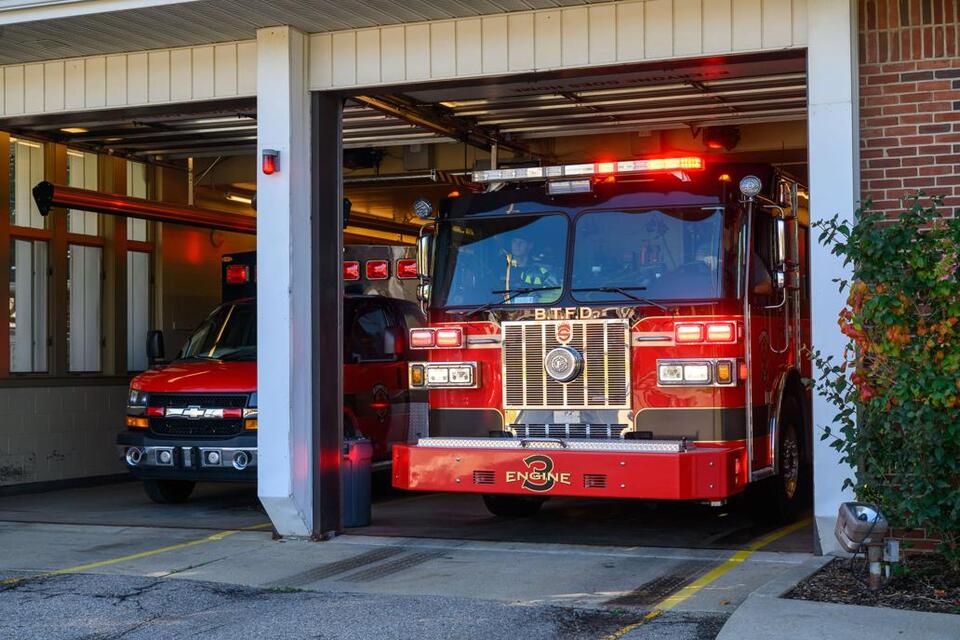
Richmond’s struggle mirrors a broader crisis. In Michigan, fire chiefs are facing similar dilemmas, with some departments forced to consider purchasing used equipment or placing dedicated property tax millages on the ballot just to keep their stations running. As Bloomfield Township Fire Chief John LeRoy observed, there is a limit to how much a municipality can absorb before the service model itself begins to crack.
While more than 60 local governments nationwide have joined a consolidated antitrust class action lawsuit in federal court, the City of Richmond has indicated it has no immediate plans to join the litigation. For now, the city’s leadership remains in the early stages of the budget process for fiscal year 2028. Mayor Danny Avula has yet to unveil his formal proposal, leaving the fire department to wait and see if the full $6.3 million ask will be funded.
As the city awaits those budget decisions, the reality remains unchanged: the equipment necessary to protect lives and property has become a luxury good that city budgets are increasingly ill-equipped to afford.
Keep reading

Nasdaq Rebounds as Chip Stocks Recover from AI Regulation and Jobs Data Fears
Nasdaq Rebounds as Semiconductor Equities Shake Off Correction Fears The Nasdaq Composite staged a recovery on Friday, clawing...

Wyoming Digital Government Summit focuses on AI and cybersecurity
Wyoming’s Digital Shift: Cybersecurity and AI at the Forefront On May 20, 2026, state and local government leaders...

Dillard’s to Close Citadel Mall Location After 34 Years
Dillard’s to Exit Citadel Mall After 34-Year Run The West Ashley retail landscape is losing one of its...

Virginia Beach Launches Military-Themed Gingerbread Holiday Trail
Virginia Beach Expands Holiday Gingerbread Tradition to Military Families The annual gingerbread competition in Virginia Beach is evolving...