
Nasdaq Rebounds as Semiconductor Equities Shake Off Correction Fears
The Nasdaq Composite staged a recovery on Friday, clawing back ground after Thursday’s session sent the tech-heavy index into correction territory. The rebound, which saw the Nasdaq climb 1.73% to 24,736.2 by mid-morning, provided a necessary floor for an exchange reeling from its steepest one-day decline in 19 months. While the Dow Jones Industrial Average remained largely flat, the broader semiconductor sector served as the engine for the day’s rally, recovering from a bruising 12% plunge in the previous session.
The Bottom Line:
- The semiconductor index surged 4.6% as investors bought the dip, with Nvidia, AMD, Intel, and Micron Technology posting gains between 3% and 10.5%.
- A stronger-than-expected October jobs report—adding 165,000 nonfarm payrolls—has fueled a 78% probability of a Federal Reserve interest rate hike this December.
- The CBOE Volatility Index, Wall Street’s primary fear gauge, retreated to 23.88 after recording its largest single-day spike since early 2025 on Thursday.
The Regulatory Shadow Over AI Infrastructure
The volatility stems from a shifting political landscape. Following Democratic gains in the midterm elections, market participants are aggressively repricing the “AI trade.” Investors are specifically concerned that a Democratic-led Congress may introduce stringent regulatory hurdles for data center development, particularly in states that have become hubs for massive AI infrastructure projects.
According to reporting from Invezz, Texas has emerged as a focal point of this anxiety, with Governor-Elect Gina Hinojosa signaling a shift toward more rigorous oversight of data center expansion. This regulatory uncertainty hit the sector hard on Thursday, causing a $1 trillion market capitalization evaporation across the “Magnificent Seven.” Companies like CoreWeave, Nebius Group, and utility providers such as GE Vernova and Constellation Energy—all integral to the physical AI buildout—saw their shares oscillate wildly as the market tested new support levels.
Labor Market Resilience and the Fed’s Hawkish Path
The October employment data, released Friday, complicates the outlook for the Federal Reserve. With nonfarm payrolls coming in at 165,000—well above the 65,000 estimate cited by Fox Business—and the unemployment rate dipping to 4.1%, the economy is showing unexpected durability. While this suggests a “soft landing” for the broader economy, it forces a hawkish hand for the Federal Open Market Committee.
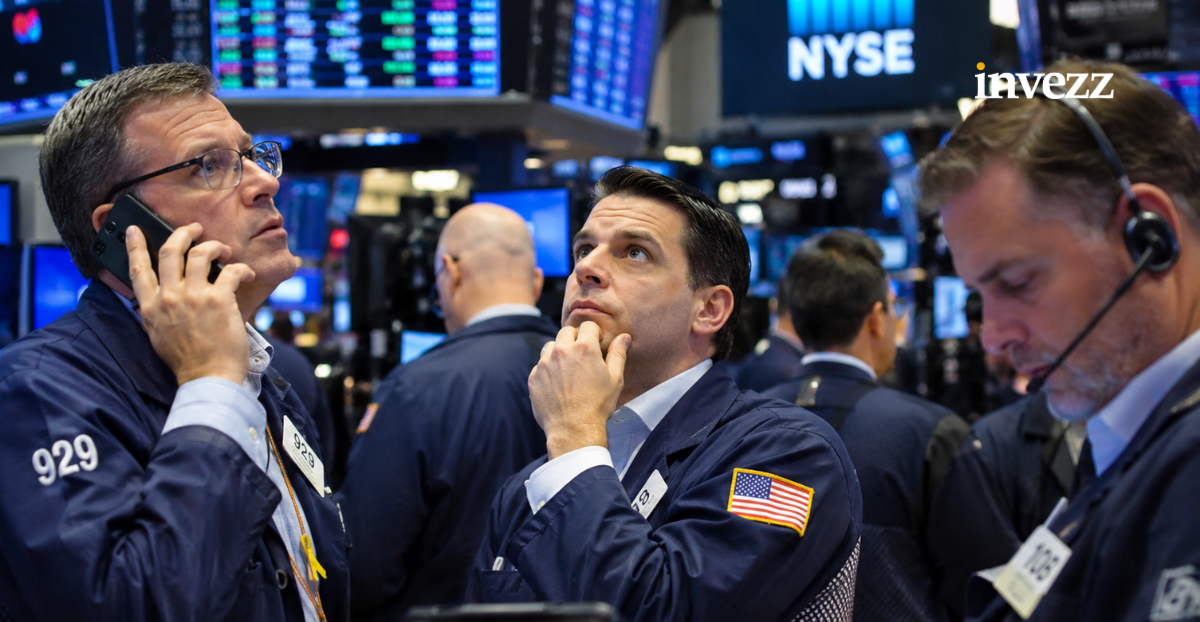
“Those are strong numbers and normally that would say that the Fed would have to be more on the hawkish side,” said Joe Saluzzi, co-head of equity trading at Themis Trading. “The flip side of that is that what we saw yesterday and how volatility has spiked, will the Fed want to raise interest rates in the face of a market which is teetering?”
For the average American, this means the era of cheap borrowing is unlikely to return before the new year. As institutional investors pivot toward high-yield environments, the cost of capital for residential mortgages and consumer credit remains elevated. The ongoing friction between strong labor data and the potential for further fiscal tightening via interest rate hikes is creating a feedback loop of volatility that directly impacts 401(k) valuations and retail investor sentiment.
Market Positioning and Sector Rotation
The recovery in chip stocks—led by Nvidia’s 5.6% gain—indicates that the long-term thesis for AI demand remains intact, even if the short-term valuation multiples are under pressure. However, the divergence between tech’s recovery and the laggard performance of consumer staples and health care sectors suggests a defensive rotation is still underway.
Market analysts at eToro noted that the preceding rally was driven by an unwinding of political risk premiums, which left the market vulnerable to the swift sell-off observed on Thursday. As the S&P 500 tracks toward its worst weekly performance since March 2025, the focus remains on whether the current rebound represents a sustainable floor or a “dead cat bounce” in an increasingly liquidity-sensitive environment.
The immediate trajectory for the Nasdaq will likely be dictated by the Fed’s messaging in the coming weeks. Should the central bank opt for a December hike, the margin compression already felt by tech-growth firms could intensify, forcing a deeper reassessment of the revenue multiples currently applied to the AI sector.
Disclaimer: The information provided in this article is for educational and market analysis purposes only and does not constitute financial, investment, or legal advice. Always consult with a certified financial professional before making investment decisions.
Keep reading

Jobs Report, Gas Prices, and Trump Arch Construction Blocked
Post-Election Market Volatility and the Jobs Report The American labor market faces a critical inflection point as the...

Google Invests $17 Billion in First Wyoming Data Center Project
Google announced on Thursday that it will build its first data center in Wyoming, anchoring a massive $17...

Milwaukee Municipal Court Caseloads Plummet Amid Policing Shifts
The Shrinking Footprint of Milwaukee’s Municipal Court For two decades, the machinery of Milwaukee’s Municipal Court has been...

West Virginia to Begin 2026 General Election Canvassing and Manual Audits on Nov. 9
Canvassing Process Begins Across West Virginia Starting Monday, November 9, all 55 counties in West Virginia will begin...