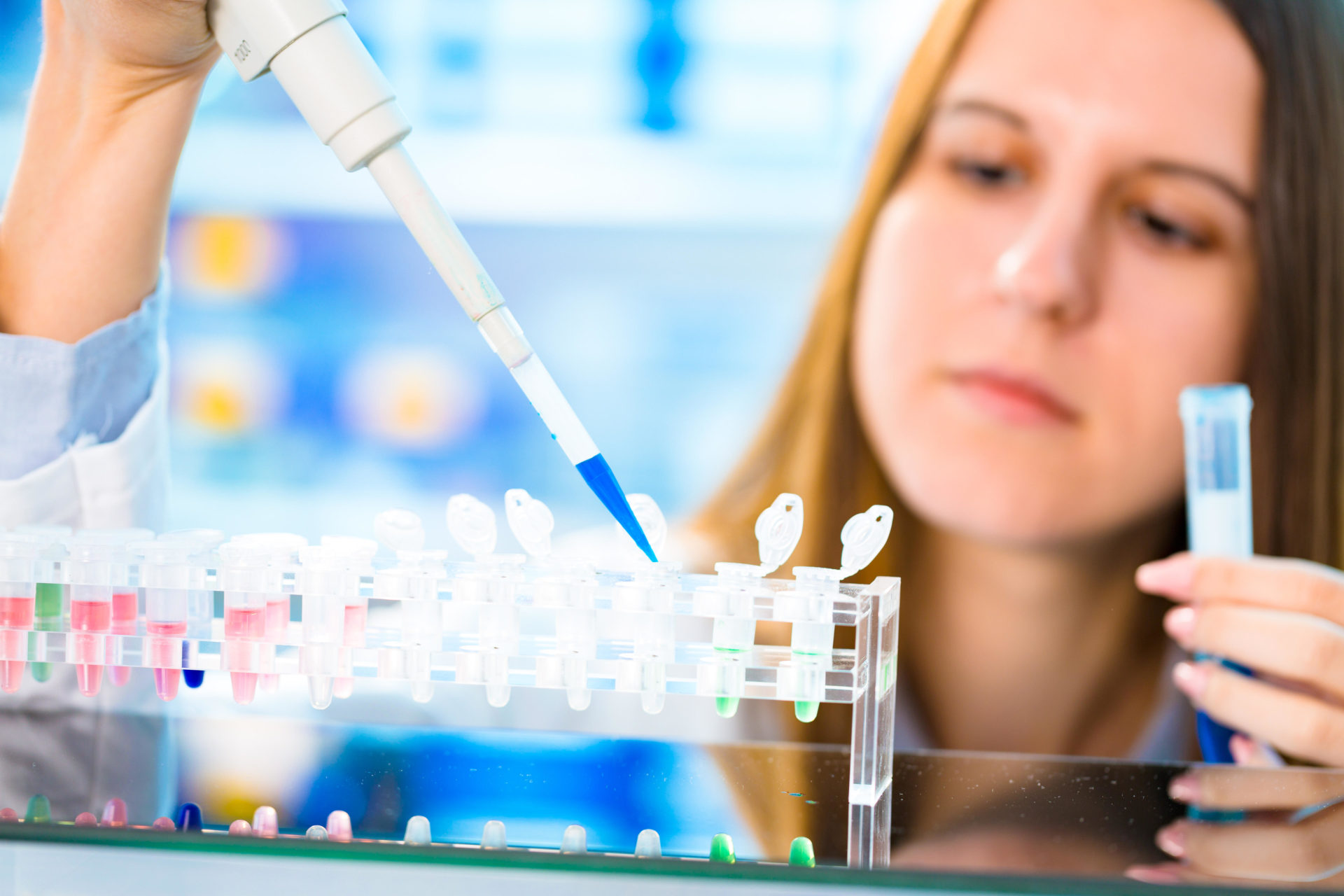
Bacteria living inside tumours may blunt chemotherapy, and faecal microbiota transplant capsules are now under study to flip that dynamic, Newstalk reports.
Researchers have found that certain bacterial populations inside tumours correlate with poor treatment response. The hypothesis: altering the microbiome could restore immune activity against the cancer.
“This is a very exciting aspect of cancer research at the moment,” said Luke O’Neill. “You might think bacteria are in your gut or they’re in your skin, but they’re in tumours. First of all, what the hell are they doing there? They like it in there. Whatever the environment is, the tumour is making things and the bacteria seem to thrive while they’re in there.”
O’Neill told Newstalk the microbiome includes both helpful and harmful strains. “There’s more and more evidence that if you get the balance right and you get the right kind of bacteria, you may fight the tumour, is the idea. It differs between different people, but some of the bacteria are stopping the immune system working properly to attack the tumour. Now, that was a bit of a breakthrough because obviously if you target them now and get rid of them, the immune system might be able to get in there and do much better.”
A recent mouse study tested two soil-derived bacteria — Proteus mirabilis and Rhodosudamonous — and reported the combination eliminated tumours. Proteus mirabilis was described as a “tumour killer” while the second strain appeared to limit side effects.
“The next question is the safety issue, I suppose,” O’Neill said. “These two bacteria, actually, they’re normally found in soil. They’re strange bacteria. They wouldn’t normally be in our bodies. You know, there’s something funny going on there. That alien bacteria now can go in, infiltrate the tumour and directly kill the tumour. And the other one then stops you getting side effects is the idea. So it’s a really interesting development.”
Trinity College Dublin’s Chair of Biochemistry and Immunology Luke O’Neill told Newstalk that bacteria inside tumours represent “a very exciting aspect of cancer research at the moment,” explaining that some strains hinder immune attacks while others might help fight the tumour.
As editor of the 2025 volume “Metabolites as Signals in Immunity and Inflammation,” which includes chapters on oncology and metabolism as well as host-microbe interactions, O’Neill oversees work at the intersection of immunometabolism and cancer. His laboratory has published extensively on innate immune signalling, NLRP3 inflammasome regulation, and itaconate-derived immunometabolites that modulate macrophage function in inflammation and disease.
Clinical safety and efficacy in humans remain unproven.
Related reading

CAT 2026 Opens With AI Face Recognition Trial; Slot 1 Rated Moderate, DILR Toughest
Supergrads estimated a raw score of 130–135 could place a candidate near the 99 percentile in CAT 2026...

Match Group Survey Finds 39% of UK Singles Use AI for Dating
Nearly 40 percent of British singles have already turned to chatbots for romantic advice, a Match Group survey...

Apple to Strip Trust From emSign TLS Certificates Monday, Sites Inaccessible
Apple will strip trust from eMudhra's emSign TLS certificates on Monday, November 30, leaving any site still using...
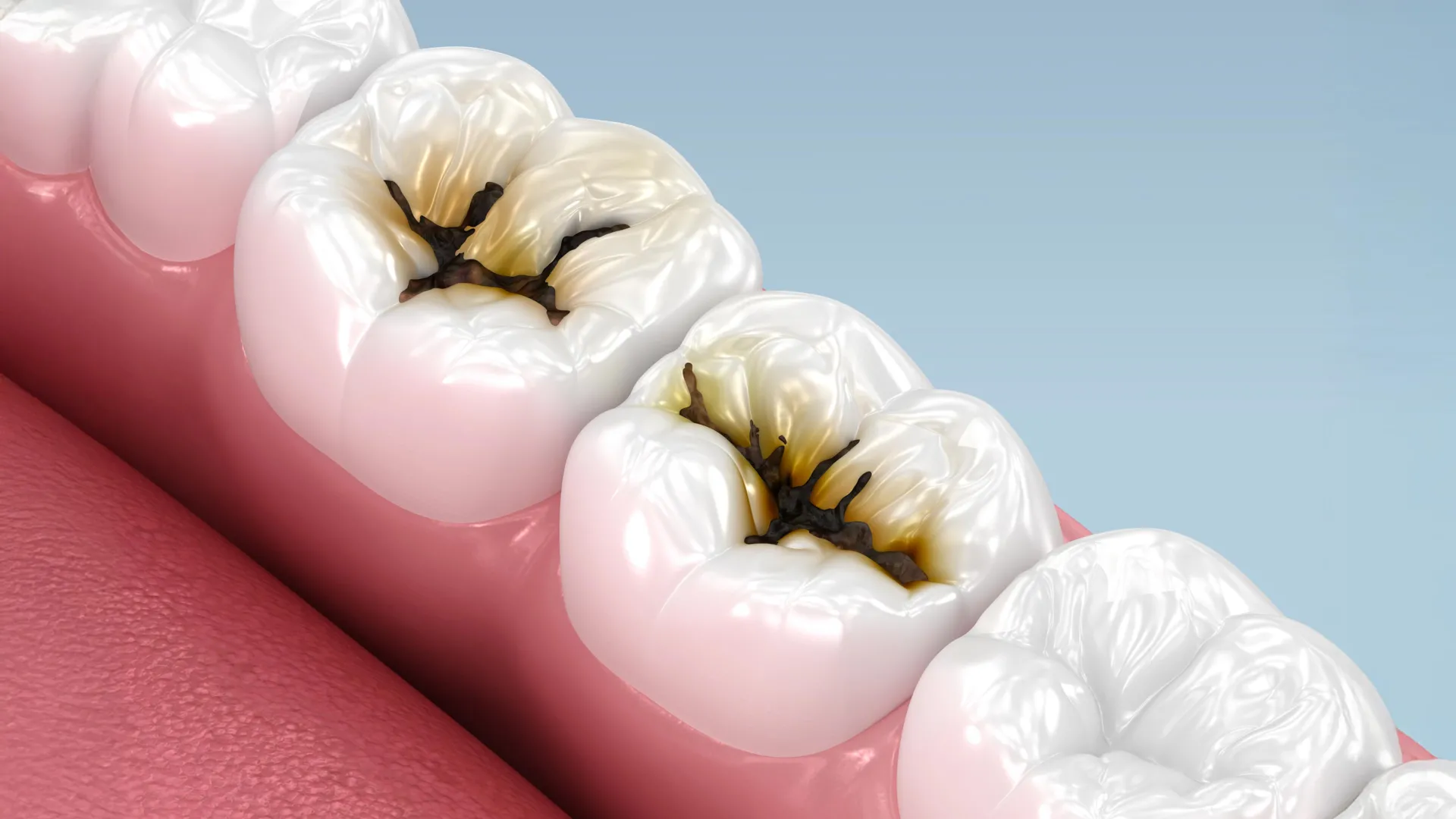
Phase III Trial Finds Silver Fluoride Halts Decay in Young Children
"This is a very effective and safe treatment — even in children as young as 1," said Margherita...