- Hydaburg’s 400 residents lost running water for more than a week in July after two water lines broke.
- Wrangell suffered three water-line failures in a single August day; a main break flooded a downtown gift shop.
- Ductile iron lines installed in the 1970s and 1980s are failing in 30 to 35 years, far short of their 100-year design life.
- Saxman has requested $10 million from the state for water line replacements after a three-month conservation notice.
On a wet July afternoon in Hydaburg, on the southern end of Prince of Wales Island, Jennifer Mooney caught rain dripping from her roof into a plastic storage tub.
“So then I’ll take more out and put it in buckets in the house,” Mooney said. “That way, if it rains more, I have more capacity to get more water.” For days, that tub, along with buckets and cooking pots in her yard, was her main water source. Neighbors’ yards were dotted with the same makeshift catchment. The village of about 400 had been cut off from running water after two separate water lines broke. The lines are likely 40 or 50 years old. Just last winter, freeze-ups shut the system down for several days, Alaska Public Media reported.
Mooney owns Haida Botanicals, which sells jams, jellies, syrups and teas from berries and plants foraged on Prince of Wales. Production stopped. “Without having water, I’m trying to only focus on essential things,” she said.
“So I absolutely cannot do any processing for my business right now.” The lack of water also temporarily shuttered Hydaburg’s only medical clinic.
While crews worked to repair the lines, towns across the region donated drinking water in bottles and tanks. Organizations in Craig and Klawock, about an hour’s drive away, offered showers to Hydaburg residents who could make the trip.
Mooney had a smokehouse full of salmon — a subsistence resource she relies on — but no running water to clean the fish. She leaned on family members to bring jugs of water from Craig. “Things are a little different when it’s the middle of winter and you’re not working on fish and picking berries, and things like that,” Mooney said.
Wrangell sees multiple failures in one day
The problem extends beyond Hydaburg. In Wrangell, 90 miles north, three water lines failed in a single August day. A few months earlier, a downtown water main burst, sending about two inches of water and mud into Cooper’s Corner gift shop.
Owner Kimberly Szczatko said she had to throw out hundreds of items. “I lost Lego product. I lost Play-Doh product. Yarn, I lost because there’s nothing you can do with yarn after that,” Szczatko said. “It was just destroyed.”
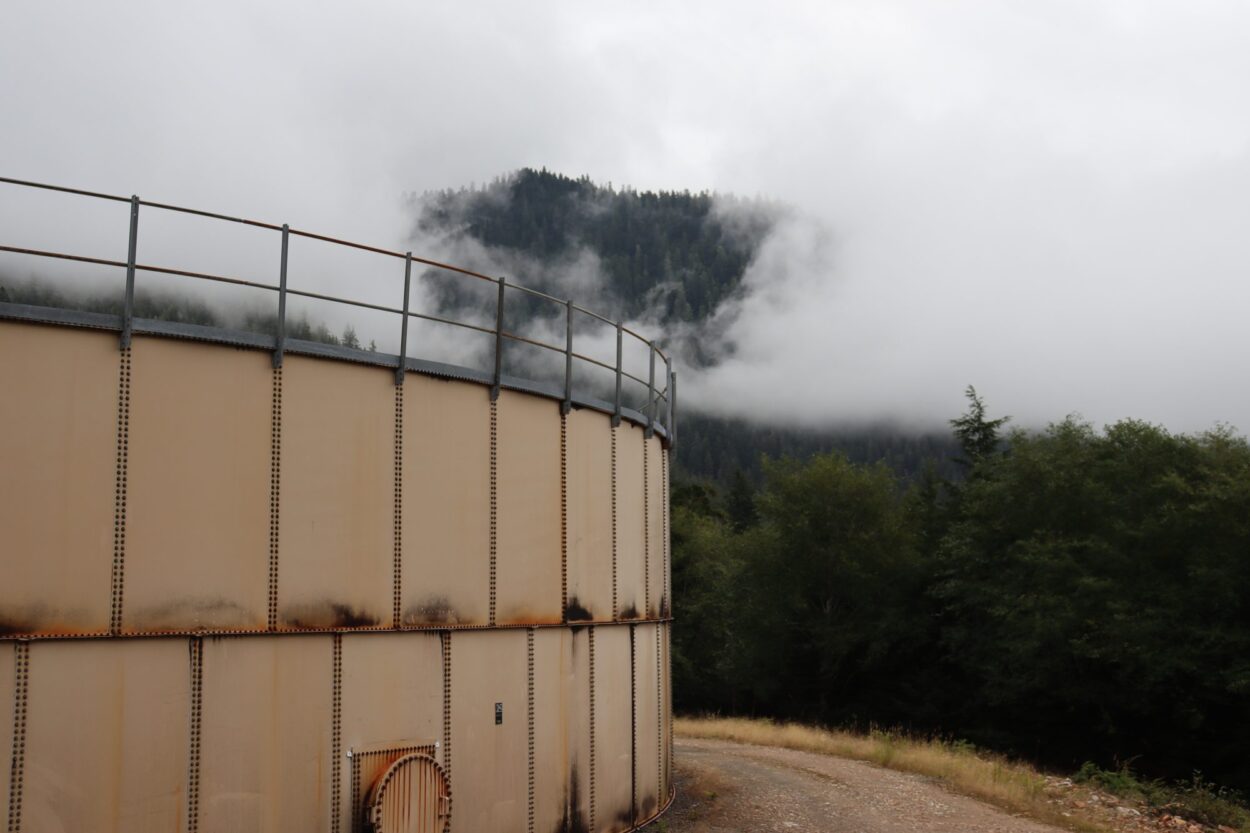
Ductile iron falling short of design life
Most of Wrangell and Hydaburg’s water lines are made of ductile iron, a cast-iron alloy that can have a service life of more than 100 years, according to the American Society of Civil Engineers. But public works officials in several southern Southeast communities say their lines are not coming close to that. “We see a lot of failures in the 30 to 35 year range,” said Wrangell Public Works Director Tom Wetor. “Usually by 40, they’re getting pretty beat up.” Some officials said installation standards may have been different when the lines were put in during the 1970s and 1980s.
Muskeg is also a factor. In Craig, on the western side of Prince of Wales Island, the water line running from the holding dam to the treatment plant was laid beneath acidic muskeg.
It is the most degraded line in town. A section of corroded ductile iron line was displayed at Craig’s public works building on January 22, 2026. “The need is increasing to upgrade parts of our water system,” said Craig Public Works Director Oliver Lewis. The city has contracted with an engineering firm to redesign the line, an early step, but still needs funding for construction.
It could be years before the line gets replaced, Alaska Public Media reported.
Other parts of Craig’s system are failing, too. Last winter, pipes around the city froze. When they thawed, new leaks left the holding tank running low. Residents were on notice to conserve water for about two weeks.
Saxman faces three-month conservation order
In Saxman, just south of Ketchikan, a notice to conserve water lasted about three months after a leak was discovered in the water system this year. The village recently named water line replacements a top capital project priority and is requesting $10 million from the state for upgrades.
On the southern end of Prince of Wales Island, Hydaburg is the island’s southernmost city and the only community with port facilities and public road access on Cordova Bay. The Haida village of about 400 residents, incorporated as a first-class city in 1973, serves as headquarters for the Hydaburg Cooperative Association, a federally recognized tribe formed in 1938.
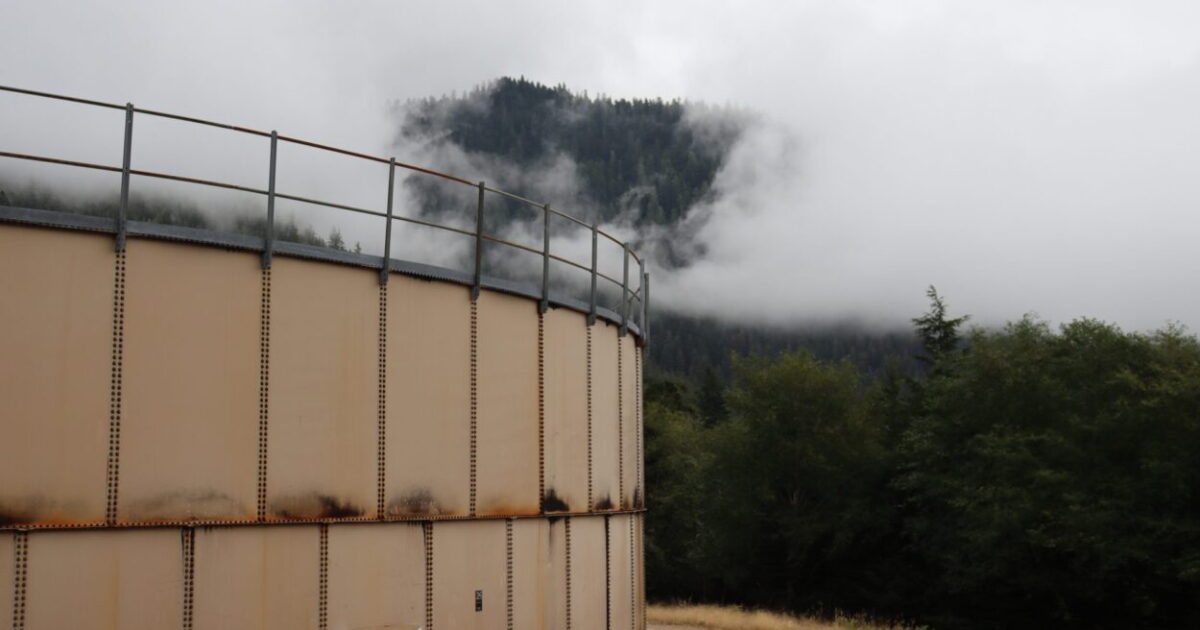
Funding gap leaves timeline uncertain
Hydaburg’s mayor, Anthony Christianson, said the village has funding set aside to plan for upgrades but does not know when it might be able to replace the water lines.
The U.S. Environmental Protection Agency says much of the country’s water distribution infrastructure has exceeded its life expectancy and expects historically clean and reliable water supplies to face more challenges. This is the first installment in a three-part series. Funding for the series was made possible by the Alaska Center for Excellence in Journalism.

Seattle Among 20 Proposed U.S. Host Cities for 2031 Women’s World Cup
FIFA awarded the 2031 Women's World Cup to a four-nation bid including the United States, where Seattle is...

Southeastern Louisiana Opens 2026 Cancun Challenge vs. Northern Colorado in First Meeting
Southeastern Louisiana will open the 2026 Cancun Challenge against Northern Colorado on Tuesday at 11:30 a.m. CST at...

Sartén Kitchen & Bar Opens at New Denū Hotel & Spa in Phoenix
Sartén Kitchen & Bar opened inside the new Denū Hotel & Spa at 1 E. Adams St. in...
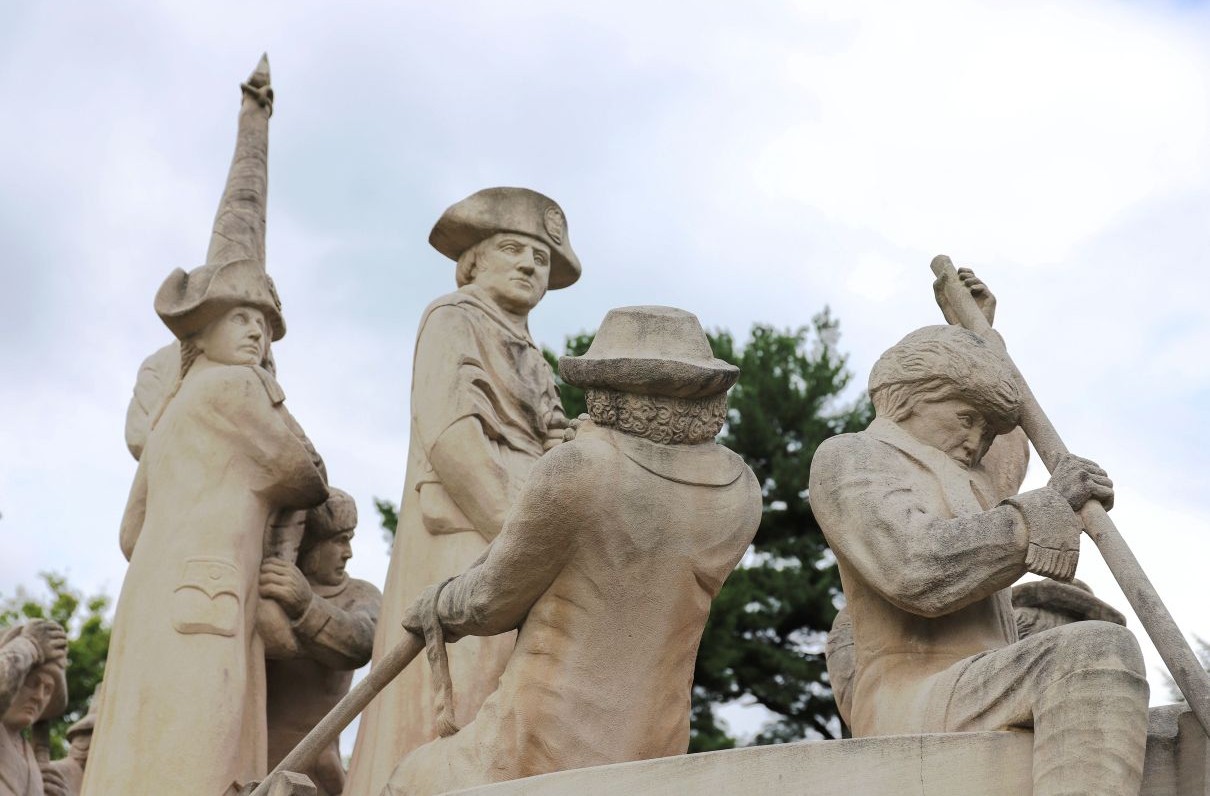
MOAA: Washington’s 1776 Delaware Crossing Reversed Revolution’s Collapse
Two hundred fifty years after the Battle of Trenton, a Military Officer magazine analysis details how Gen. George...