
SpaceX is moving forward with plans for a $50 billion supercomputer campus in Cochise County, Arizona, now officially branded as Colossus 3.
Elon Musk, the billionaire founder of the aerospace company, confirmed the name on X, asserting it “will greatly benefit the Arizona community.”
The proposed facility is designed to serve as a world-leading artificial intelligence training cluster, sprawling across 750 acres. SpaceX representatives have pledged to generate 1,000 jobs, utilize treated wastewater for operations, and invest $3.6 billion into local grid infrastructure upgrades.
However, the project faces a major administrative hurdle. Arizona Attorney General Kris Mayes has formally requested a delay in the permit vote, citing unresolved concerns over water consumption, power usage, noise, and overall environmental impact. In a letter to local officials, Mayes argued that the Planning and Zoning Commission lacks the necessary information to grant a special use permit at this stage.
SpaceX rejected the call for a pause.
“The commission should decide this case on what SpaceX has proposed … not on assumptions,” SpaceX said.
Cochise County officials are drafting a rebuttal that challenges the Attorney General’s authority to intervene in local zoning decisions.
The draft document alleges that Mayes’ opposition may be rooted in political motivations, specifically pointing to the general election held earlier this month where Mayes was defeated in Cochise County by more than 10 percentage points.
County staff also expressed confusion regarding Mayes’ plans to host a town hall in the region on December 3. The draft letter maintains that local leadership will not succumb to external pressure, noting, “It’s unfortunate that you continue to operate under the mistaken belief that you have the ultimate authority in these areas.”
The project reflects a wider trend in the tech industry. Ken Gillingham, a professor of economics at Yale University who researches data centers, explained that firms are aggressively seeking cheap land near power lines where local regulators are perceived as accommodating.
“They are in an absolute race,” Ken Gillingham told AZ Family, noting that companies are prioritizing the rapid installation of AI chips above all else.
The current standoff stands in contrast to the initial planning phases, where SpaceX representatives maintained they had followed all established local processes and community engagement requirements.
SpaceX Colossus 3 will greatly benefit the Arizona community https://t.co/l6KW6RkleF
Worth a look

Jaguars Rule Out Parker Washington vs. Titans; WR Week-to-Week With Shoulder Injury
Jacksonville Jaguars wide receiver Parker Washington will miss Sunday's game against the Tennessee Titans with a shoulder injury...
Rhode Island Artists Can Apply for $5,000 Make Art Grants Starting Feb. 1
Rhode Island artists can apply for Make Art Grants starting Feb. 1, offering award amounts of up to...
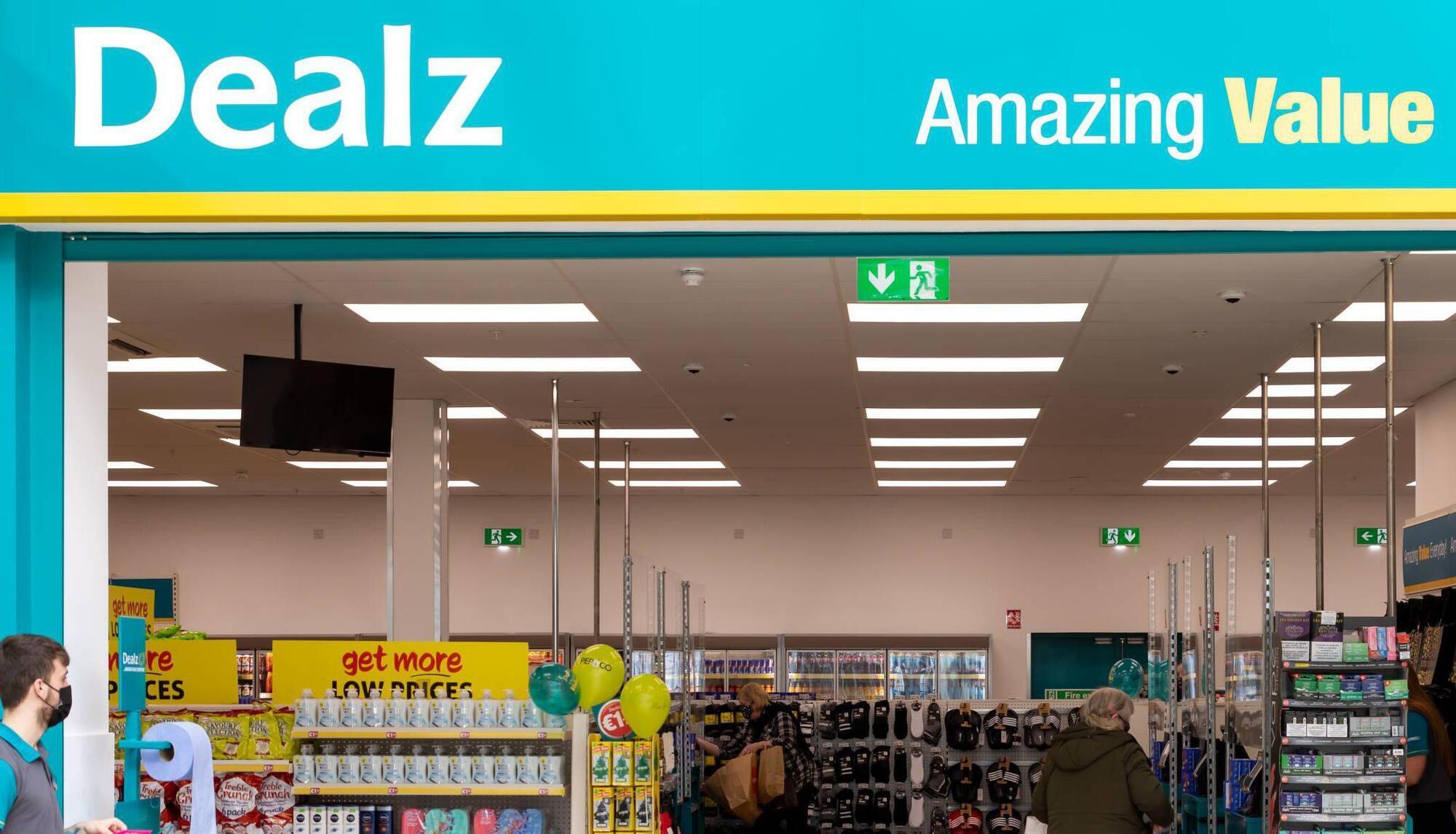
Tipperary Businessman Martin Healy Offers to Buy Dealz Ireland
A Tipperary businessman has made an offer to acquire the Dealz business in Ireland, a move that could...
Federal REAL ID Rules Take Effect at Military Bases With Escort Requirements
Federal rules on REAL ID enforcement at federal facilities, including Dover Air Force Base, took full effect May...