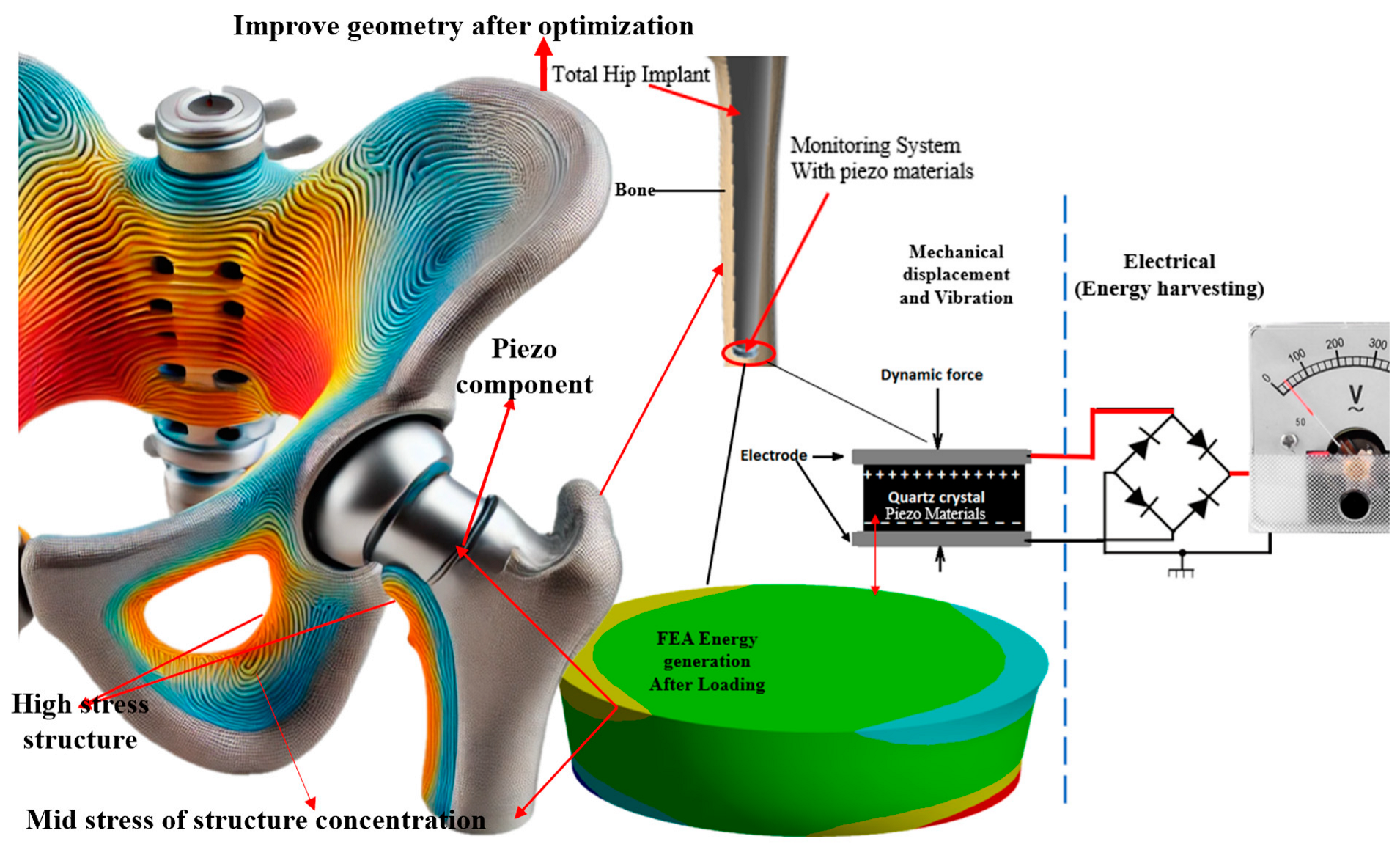
A study has found that the position of a piezoelectric bone conduction implant significantly affects its performance, altering vibration at the cochlear promontory.
The research compared three implant locations in human cadaveric heads using an Osia OSI300 implant.
In tests conducted on fresh-frozen human cadaveric heads, researchers measured cochlear promontory velocity using laser Doppler vibrometry. The implant was controlled by its clinical fitting software at frequencies ranging from 250 to 6,000 Hz, both before and after a mastoidectomy.
Three positions were evaluated: immediately posterior to the pinna (location A), 50–55 mm horizontally posterior to the external auditory canal (location B), and 50–55 mm posterosuperior to the canal at a 45° angle (location C), which corresponds to a bone-anchored hearing aid position.
Data was successfully collected for all conditions in two specimens, with the other two providing only post-mastoidectomy results. The study revealed that in an intact mastoid condition, location A produced an average ipsilateral velocity 6.84 and 6.66 dB higher than locations B and C, respectively, across the tested frequencies.
This indicates stronger vibration on the same side of the head. Transcranial attenuation at 3,000 and 6,000 Hz in location A was measured at 12–22 dB, reflecting strong ipsilateral vibration, while attenuation in B and C was minimal. Contralateral velocity differed by less than 1.2 dB between the positions.
Following a mastoidectomy, velocity changes were within 3.7 dB at lower frequencies (250–1,500 Hz), but the results were inconsistent at higher frequencies. The research concluded that implant position directly alters promontory vibration in these specimens, suggesting that optimal placement may vary depending on individual anatomy and clinical indication.

Scientists Discover Sunken Atoll Thriving With Life
Scientists have found a 5-million-year-old sunken coral atoll, its peak nearly 3,000 feet beneath the Atlantic, thriving with...

New Study Proposes Quantum-Resistant Hybrid Framework for Secure IoT Healthcare Systems
A new hybrid framework merges blockchain, software-defined networking, and post-quantum cryptography to secure medical device networks against current...

SNU Researchers Capture Mag 2 Earthquake Rupture Using Telecom Fiber
South Korean researchers captured the rupture of a magnitude 2 earthquake in millisecond detail by turning a buried...

Study Finds Denisovans, Unknown Lineage in South China
Scientists identified four ancient human teeth from two cave sites in southern China as belonging to Denisovans and...