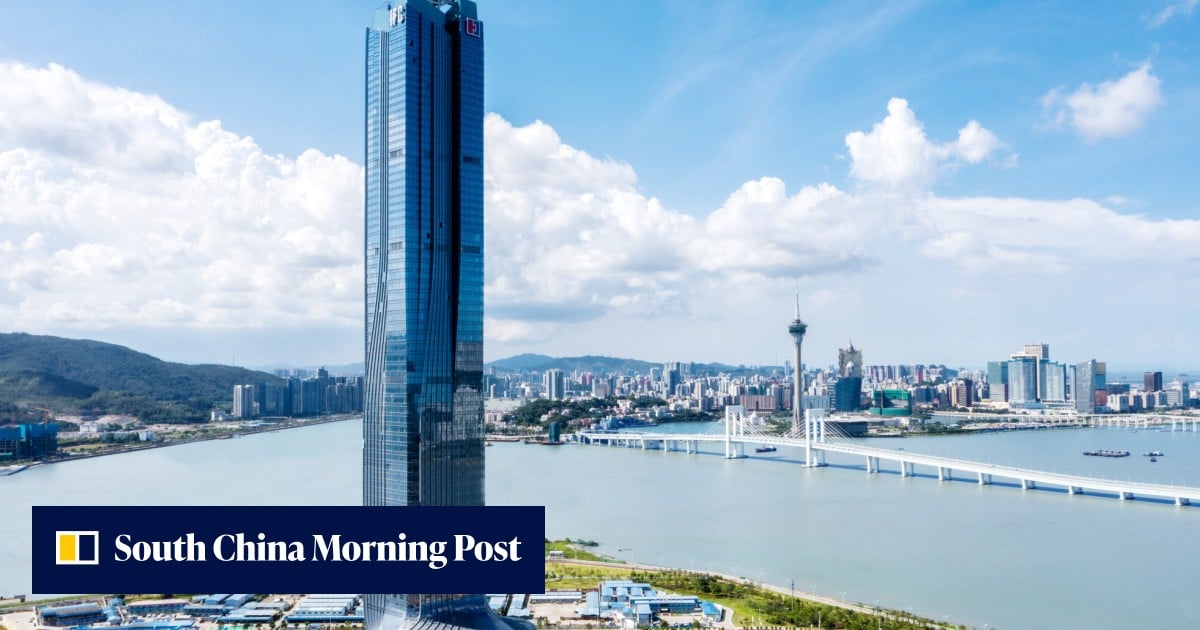
Zhuhai Huafa Group Debt Struggles Trigger Volatility in China Bond Markets
The unprecedented property crisis in China has reached a new flashpoint as Zhuhai Huafa Group, a massive state-owned conglomerate, struggles with debt payments, according to The Edge Malaysia. The liquidity concerns surrounding the Guangdong-based giant have sent ripples through the nation’s bond market, highlighting the precarious position of local government-owned enterprises (SOEs) as they attempt to pivot away from a collapsing real estate sector.
The Bottom Line:
- Liquidity Strain: Huafa Group reported a net loss of RMB 6.9 billion (approximately $1.0 billion) for the first three quarters, with operating cash flow swinging to a negative RMB 1.5 billion.
- Debt Magnitude: As of March, the conglomerate held RMB 413 billion (US$61.93 billion) in interest-bearing liabilities, including bank loans, trust loans, and bonds.
- Market Reaction: While some coupon payments remain on schedule, a 2029 bond price dropped roughly 12% to 86% of its face value following reports of missed trust product payments.
The RMB 413 Billion Liability Burden
The scale of Huafa’s financial pressure is anchored in its heavy reliance on property development to service its massive debt load. The Edge Malaysia reports that the firm has been requesting loan extensions from at least three banks, mirroring the distress seen in China Vanke Co approximately one year ago. This move marks Huafa as the largest company heavily dependent on the property sector to push back debt payments in the current climate.
The financial deterioration is visible in the group’s recent performance data. According to reports from BigGo Finance, Huafa Group’s revenue for the first three quarters fell more than 20% year-on-year to 102.693 billion yuan (approximately $15.5 billion). The company’s net cash flow from operating activities also saw a dramatic reversal, moving from a positive RMB 27 billion a year earlier to a negative RMB 1.5 billion. This margin compression underscores the difficulty local SOEs face when their primary revenue driver—land and property—stagnates.
A Divergence in Market Sentiment
Market participants are currently split on whether Huafa is facing a terminal liquidity crunch or a manageable cyclical downturn. BigGo Finance notes that the group has made moves to signal stability, such as a November 1 announcement confirming the scheduled completion of an interest payment on its “19 Huafa Bond” due November 4. This 1 billion yuan bond carries a 2.90% coupon rate and matures in 2029.

However, The Edge Malaysia reports that the conglomerate missed payments on two trust products that were recently due. This discrepancy has fueled volatility. While some institutions view the recent bond market correction as a result of precautionary redemptions by funds, others see the underlying structural weakness in local government-backed developers. Bloomberg Intelligence analyst Andrew Chan noted that unlike centrally backed SOEs, local government-backed developers face weaker funding access and less refinancing support due to limited fiscal capacity at many regional governments.
Asset Sales and State Support Mechanisms
To mitigate the crisis, Huafa is actively offloading assets to bolster its liquidity. 9fin reports that the group has announced intentions to sell assets to other local state-owned enterprises. One significant transaction occurred in September 2026, when Kangge Investment—a wholly owned platform of Gree Group—acquired 96.28% of Haitou Company from Huafa Group for 4.527 billion yuan (approximately $682.1 million) in cash. Despite the sale, the Zhuhai State-owned Assets Supervision and Administration Commission remains the actual controller.
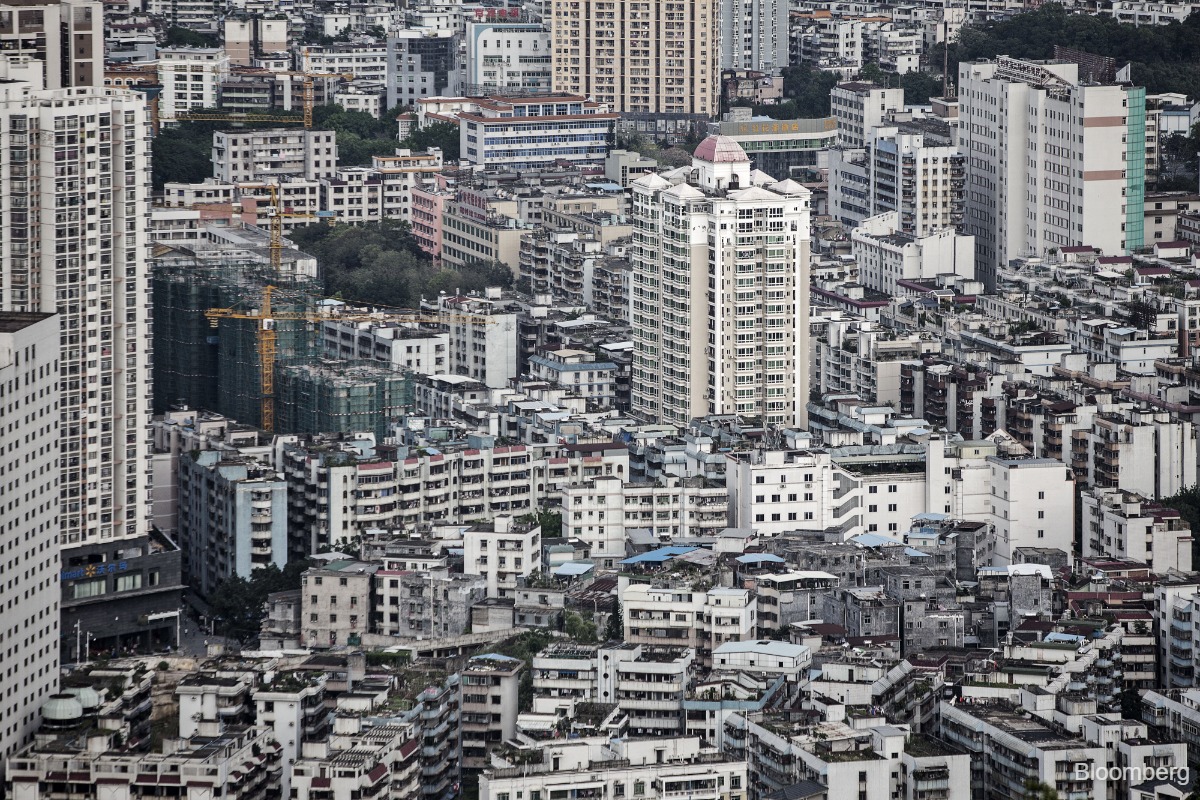
The potential for a bailout remains high due to the company’s ownership structure. South China Morning Post reports that Zhuhai’s State-owned Assets Supervision and Administration Commission owns over 93% of Huafa’s equity, with the remainder held by Guangdong’s finance department. This deep integration with the city’s development—including major projects like the Hengqin New Area—suggests the state is unlikely to let the conglomerate fail.
9fin identified several potential liquidity resources within the Zhuhai SOE ecosystem that could assist in a bailout. Specifically, 9fin estimated that Gree Group possesses significant liquidity, including:
| Resource Type | Estimated Value (CNY) |
|---|---|
| Cash Balances (Parent Level) | 5.8 billion |
| Wealth Management/CDs | 4.6 billion |
| Equity Stake in Gree Electric (SZSE: 000651) | 7.5 billion |
| Undrawn Bank Facilities | 44.9 billion |
If these resources are mobilized, they could potentially cover the parent level’s short-term debt of CNY 19.6 billion, representing a net liquidity resource of approximately CNY 43 billion, according to 9fin.
The Main Street Bridge: Why China’s Local Debt Matters to the West
While this struggle plays out in the Guangdong province, the implications reach far beyond China’s borders. For the American public, the instability of massive state-backed conglomerates like Huafa can influence global macroeconomic stability. When China’s largest local-government-owned enterprises face debt crises, it can lead to shifts in global commodity demand and impact the valuation of international equity funds that hold exposure to emerging markets or Chinese industrial sectors. Furthermore, if the Chinese government is forced into massive fiscal tightening to bail out these entities, it could alter the trajectory of global trade flows and consumer pricing.

Institutional investors are watching the yield curve and credit spreads of these local SOEs closely. A failure to stabilize these entities could lead to a broader contagion in the high-yield bond markets, affecting how “smart money” allocates capital toward any region with high debt-to-GDP ratios.
The current situation remains a tug-of-war between deteriorating fundamentals and the implicit guarantee of state support. As South China Morning Post reports, analysts view Huafa’s challenges as a reflection of the lasting toll of the property crisis, as local governments struggle to find sustainable economic alternatives to real estate.
Disclaimer: The information provided in this article is for educational and market analysis purposes only and does not constitute financial, investment, or legal advice. Always consult with a certified financial professional before making investment decisions.
Worth a look

Washington Voters Decide Key Initiatives and House Races on Election Day
Washington voters face high-stakes decisions on taxes and sports eligibility Voters across Washington are heading to the polls...

Attempted Murder Trial Begins for Adrian Maggos in Cheyenne
A Laramie County jury begins hearing testimony in attempted murder trial The legal proceedings for Adrian Maggos, a...

Democrat Charles Glover Defeats Incumbent Joe Boykin in Charleston County Council Upset
Charleston County Council undergoes leadership shift following November 3 election The makeup of the nine-member Charleston County Council...

Sprinkler System Contains Apartment Fire in Downtown Seattle; No Injuries Reported
A sprinkler system limits damage during Tuesday morning apartment fire A fire in a seventh-floor apartment near Pioneer...