St. Johns County commissioners approve one-year moratorium on data centers
“By doing nothing, St. Johns County has a massive target on our back,” County Commissioner Ann Taylor warned in June, arguing that the region risked becoming the “path of least resistance” for developers if neighboring municipalities closed their doors to AI-driven infrastructure. Her concerns were addressed on Tuesday when elected officials unanimously approved a one-year moratorium on the development of large-scale data centers, according to a report from Jacksonville Today.
The freeze is effective immediately and is set to expire on October 31, 2027. During this window, county officials intend to study the specific pressures these massive facilities place on local utilities and public infrastructure. The decision comes as a direct response to the growing energy and water demands required to power the generative artificial intelligence and cloud computing technologies that fuel platforms like ChatGPT.
The move places St. Johns County in line with a growing wave of Florida municipalities that have moved to block or delay such developments. Nassau County approved a moratorium this past summer, following similar actions by Clay, Flagler, Lake, and Volusia counties. While Jacksonville has not seen formal legislation filed to ban the facilities, several members of the City Council have publicly floated the idea.
Utility strain and the “sitting duck” concern
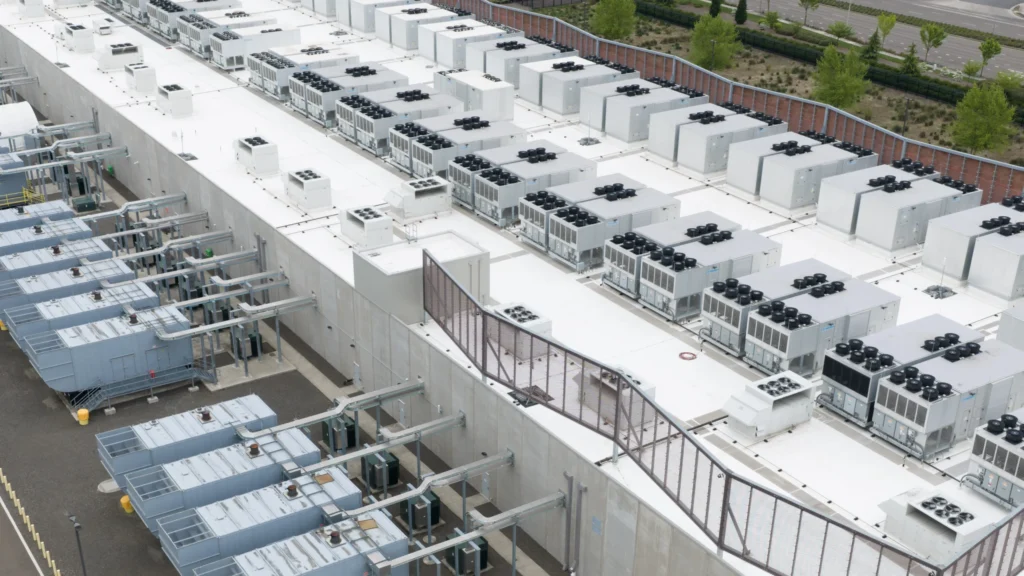
The primary driver behind the moratorium is the potential impact on the local power grid and water supply. Data centers are notorious for their intensive resource consumption, requiring massive amounts of electricity to run servers and significant water volumes for cooling systems. Commissioners expressed specific anxiety regarding whether the existing electrical grid could withstand the sudden, heavy load of a large-scale installation without compromising service to residents.
For Commissioner Ann Taylor, the moratorium was a preemptive strike to prevent the county from becoming a “sitting duck” for projects that neighboring jurisdictions had already rejected. The logic is simple: if the surrounding counties create a regulatory barrier, developers will naturally gravitate toward the nearest available land with fewer restrictions.

However, the debate within the commission was not without nuance. Commissioner Christian Whitehurst, who was initially skeptical of the need for a temporary ban, eventually cast his vote in support of the measure. Whitehurst suggested that while St. Johns might not be a primary target for these developments, the community must remain vigilant about how collective demand influences the industry.
“As we all know, the power on whether or not data centers are even necessary, more data centers, bigger data centers, lies with we the people,” Whitehurst said. “To post AI-generated memes opposing data centers is the height of hypocrisy. You are generating more need for data by doing that.”
The economic and social tension of AI growth
The decision highlights a growing tension between the rapid expansion of the digital economy and the physical limitations of local infrastructure. While data centers represent significant capital investment and technological progress, they offer a different kind of economic profile than traditional commercial or residential developments. They often require vast amounts of space and resources but may provide fewer long-term, diverse employment opportunities relative to the scale of their utility footprint.
This tension is reflected in recent polling, which has shown bipartisan opposition to the proliferation of these facilities. The concern is not merely technological but deeply civic, centering on the fundamental question of how a community manages its most precious shared resources—water and electricity—in the face of an insatiable global demand for computing power.
As the moratorium begins, the focus shifts to the data collection period. The county will need to determine if the current infrastructure can be bolstered to accommodate such facilities or if the environmental and utility costs simply outweigh the tax benefits. For now, the gates are closed, leaving developers to look elsewhere while St. Johns County calculates the true cost of the AI era.
Worth a look

Alabama School Spending Per Student Drops After Adjusting for Inflation
Alabama school spending declines in real terms as inflation outpaces budget increases Alabama public schools spent more money...

Wisconsin voters decide on 79 school referendums on Tuesday ballot
Wisconsin voters face $1.6 billion in school funding decisions On Tuesday's ballot, voters across Wisconsin are deciding the...

Mike Washington leads Raiders rushing in 38-33 win over Jets
Mike Washington assumes lead running role for Las Vegas Raiders Mike Washington carried the offensive load for the...

BGAV proposes $800,000 budget reduction for 2027
The math facing Virginia Baptist congregations is becoming increasingly difficult to ignore. As local churches grapple with rising...