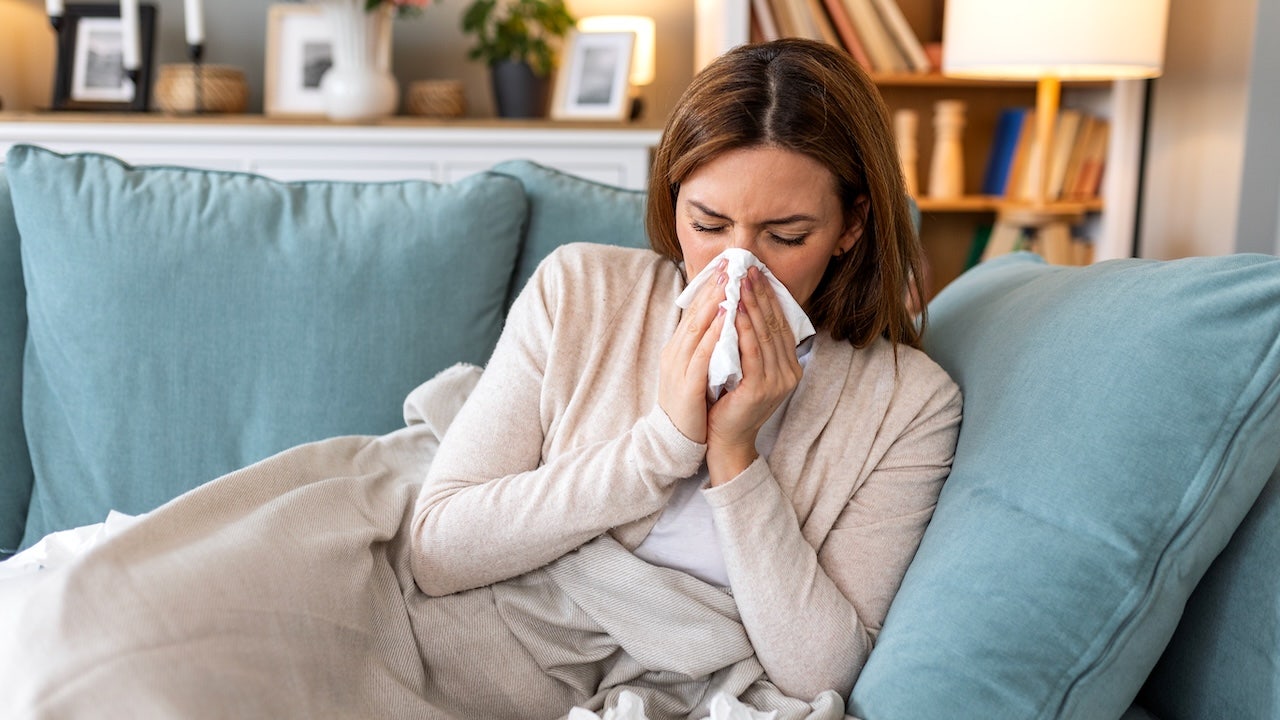
Flu season has arrived weeks ahead of schedule, pushing hospitalization rates to a 15-year high for mid-October and putting Louisiana in a league of its own with “very high” activity, the Centers for Disease Control and Prevention reported this week.
About 11 percent of specimens tested at clinical labs came back positive for influenza in the week ending Nov. 7, and more than 3 percent of outpatient visits were for flu-like illness — both thresholds higher than typically seen this early, Fox News reported. The CDC estimates 2.6 million illnesses, 36,000 hospitalizations and 2,100 deaths so far this season, including five children.
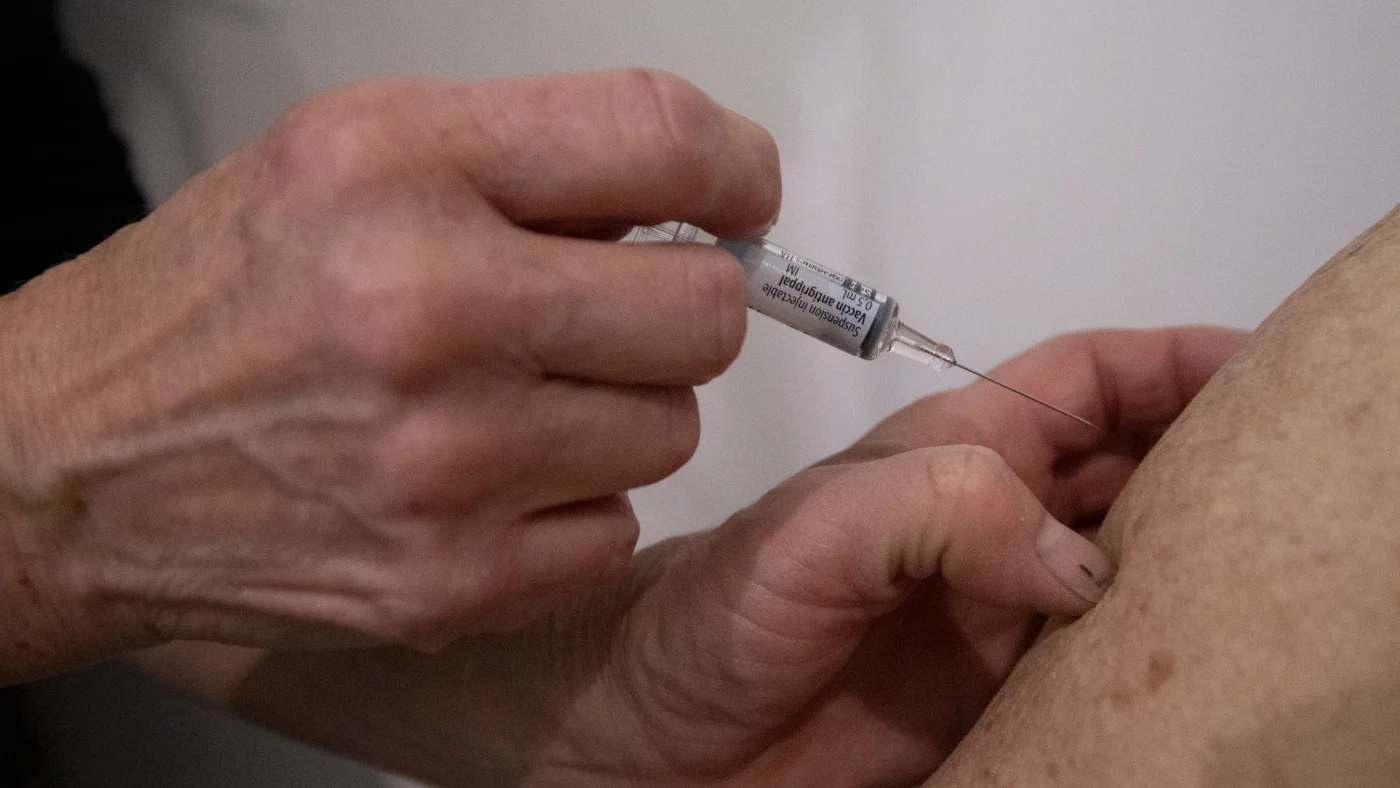
“Because the flu season is starting a bit earlier, I think it’s really important for everyone to get a flu vaccine as soon as possible,” said Dr. Anna Durbin of Johns Hopkins University during an October media briefing.
Louisiana is the only state ranked “very high” on the CDC’s Week 44 map, while California, Tennessee, Oregon, South Carolina and Texas sit in the “high” tier. New York, Massachusetts and Hawaii were in the CDC map’s moderate category for influenza-like illness in the week ending Nov. 7 (week 44). The dominant strain nationally is influenza A(H1N1)pdm09, a descendant of the 2009 swine flu virus that has circulated seasonally since.
“Flu started a bit early this year, so it’s out there and spreading. So people who are thinking of Thanksgiving travel need to get their protection as quickly as possible.”
said Dr. William Schaffner, professor of infectious diseases at Vanderbilt University Medical Center. The flu shot takes about ten days to reach full efficacy, leaving a narrowing window before the holiday.
AAA predicts roughly 82 million Americans will travel more than 50 miles over Thanksgiving break, 73 million by car. Indoor holiday gatherings are expected to accelerate transmission of flu, COVID-19 and RSV simultaneously.
Schaffner warned that COVID boosters are also lagging: “Somehow they think that COVID has disappeared. But the people who are admitted to my hospital with COVID are invariably people who are not up to date with their vaccinations, as with flu.”
In Minnesota, the early surge is measurable in hospital beds. The state Department of Health recorded 166 flu hospitalizations through early November; at the same point last year and in 2024, the count was just 10, CBS News reported.
Melissa McMahon, an influenza surveillance epidemiologist at MDH, tied the spike partly to vaccination rates that have slid to 15-year lows — 50.2 percent for children and 41.9 percent for adults in the 2025-2026 season, down from near-record highs of 64 percent and 50 percent in 2019-2020.
“And the less people get influenza vaccine, the more influenza tends to spread around,” McMahon said.
The virus itself is complicating the picture. Scott Hensley, a virologist at the University of Pennsylvania and director of the Penn Center of Excellence for Influenza Research and Response, told that this year’s H1N1 carries a mutation that erodes the “immune imprinting” advantage usually protecting people first exposed to the 2009 strain as children.
“In otherwords, teenagers and people in their 20s might be just as susceptible to H1N1 as the rest of us heading into this flu season. And that’s an important distinction … that sort of advantage has gone away because the virus has acquired a mutation.”
Hensley said. McMahon confirmed the strain shift is showing up in unusual demographics: “This year, it’s really been concentrated to those older age groups, and we haven’t seen a lot of activity in children just yet.”
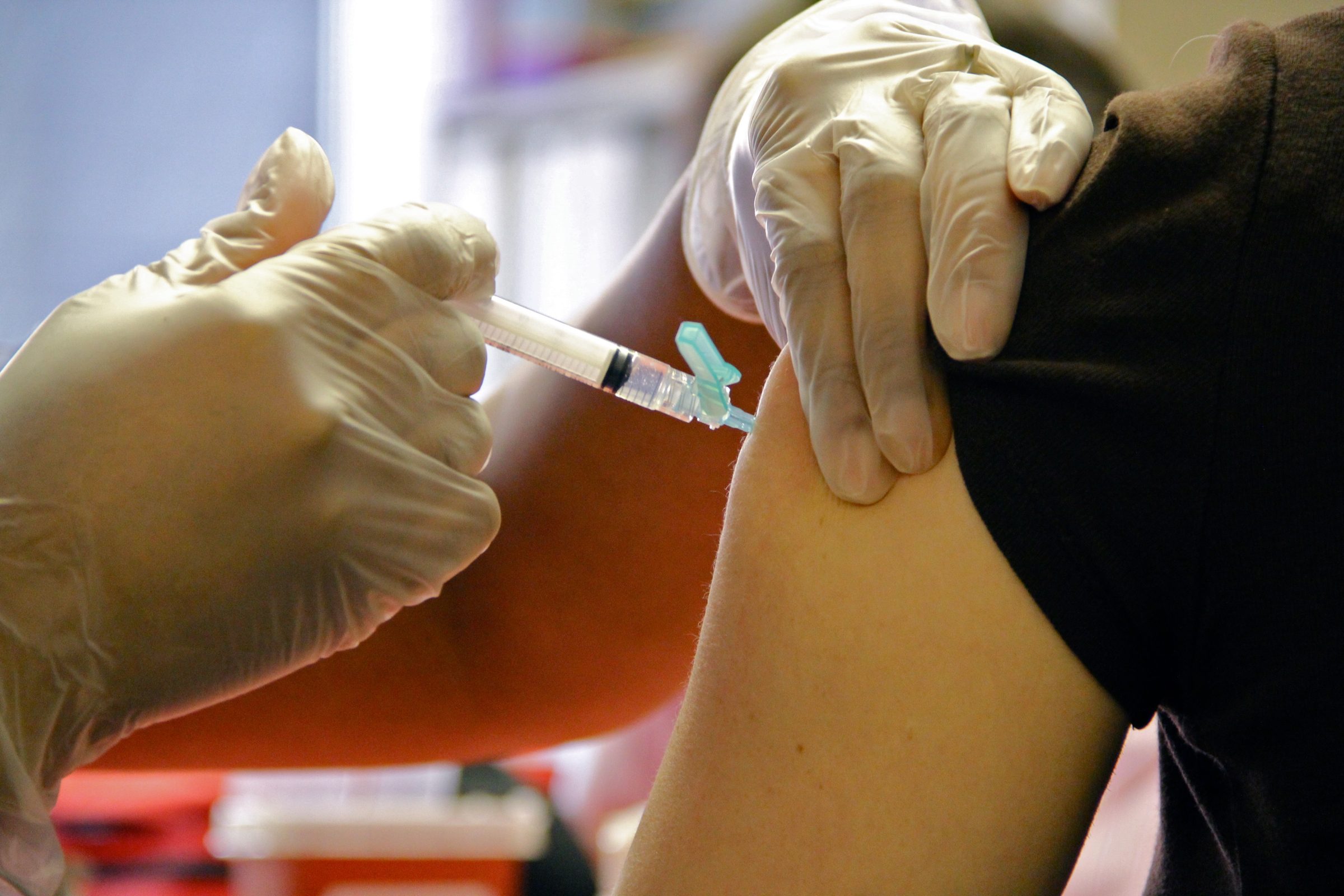
On the prevention side, a new option exists for older adults. For the first time, people aged 50 and up can receive a flu vaccine built on the same technology as the COVID-19 shots.
“The new kind of vaccine is more protective and will be the way we go in the future,” said Carlene Muto, an infectious disease doctor and vice president of infection prevention at Temple Health. Carlene Muto, an infectious disease doctor and vice president of infection prevention at Temple Health.
Claire Hannan, executive director of the Association of Immunization Managers, told that vaccination season is in “full swing” with no supply constraints: “Now is definitely the time to get vaccinated. Influenza is circulating, people are traveling, people are getting ready for Thanksgiving, the holidays. And the best protection you can get is from the vaccine.”
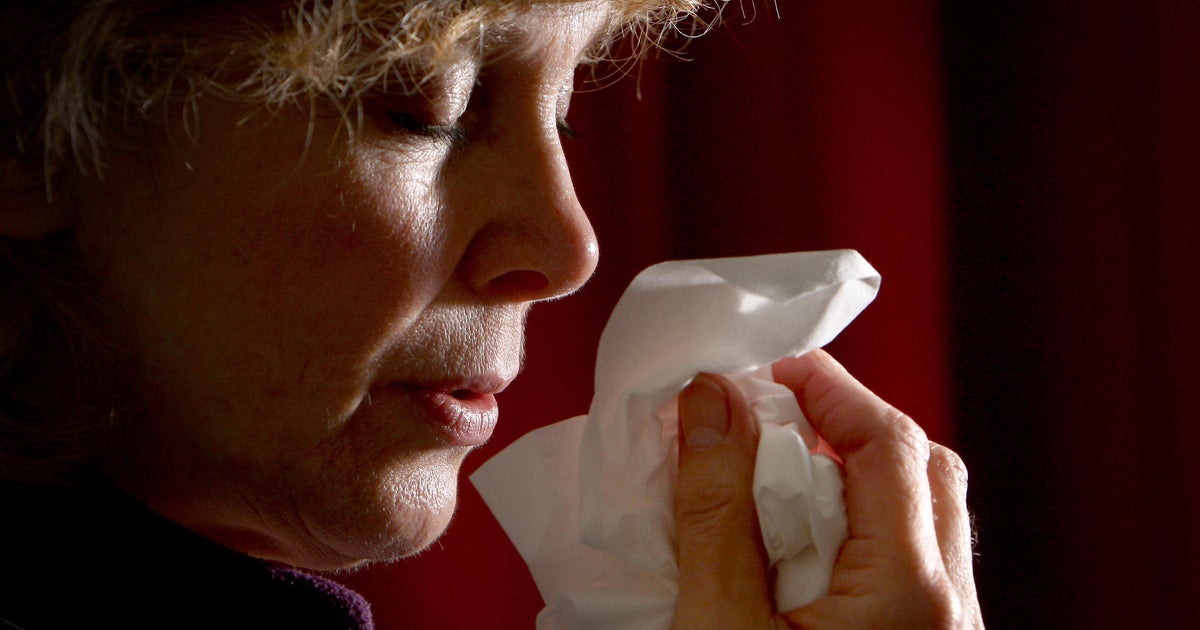
The CDC stresses that an early start does not guarantee a higher peak or a more severe season overall. Last winter’s surge peaked in late December, when New York City officials called it the most intense season in 20 years. Antiviral medications remain effective when started early, particularly for high-risk patients.
Dr. Fred Lopez, an infectious diseases specialist at LSU Health Sciences Center in New Orleans, put the timeline bluntly to the Associated Press: “Flu season is taking off in a direction that’s only likely to increase in the next month or two. If you haven’t been vaccinated, you should get vaccinated now.”
Related reading
- EU Governments Approve Indonesia Trade Deal to Offset Trump Tariffs
- Niagara Falls Illuminated Orange for World COPD Day
- Real Rates, Not Inflation Bets, Drove the 10-Year Yield to a 2002 High (daybreakwire.com)
- Energy bills face £433 January shock as Iran war drives costs to four-year high (newsarchyuk.com)

EU Governments Approve Indonesia Trade Deal to Offset Trump Tariffs
European Union governments approved the signing of a long-negotiated trade deal with Indonesia on Wednesday, moving to lock...

Niagara Falls Illuminated Orange for World COPD Day
Niagara Falls will glow orange tonight from 10:15 to 10:30 p.m. The illumination caps a global push built...

Fire Destroys Wheel’s Truck Parts in West Kelowna, Roads Closed
A major truck-parts supplier in West Kelowna’s industrial corridor was destroyed Wednesday when fire consumed Wheel’s Truck Parts...
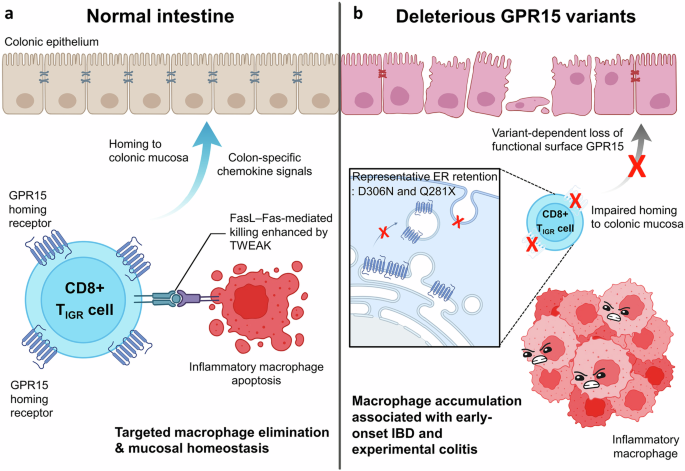
GPR15 Variants Cripple Novel CD8⁺ TIGR Cells Driving Severe Early-Onset IBD
Researchers have identified a distinct population of regulatory CD8+ T cells that homes to the colonic mucosa and...