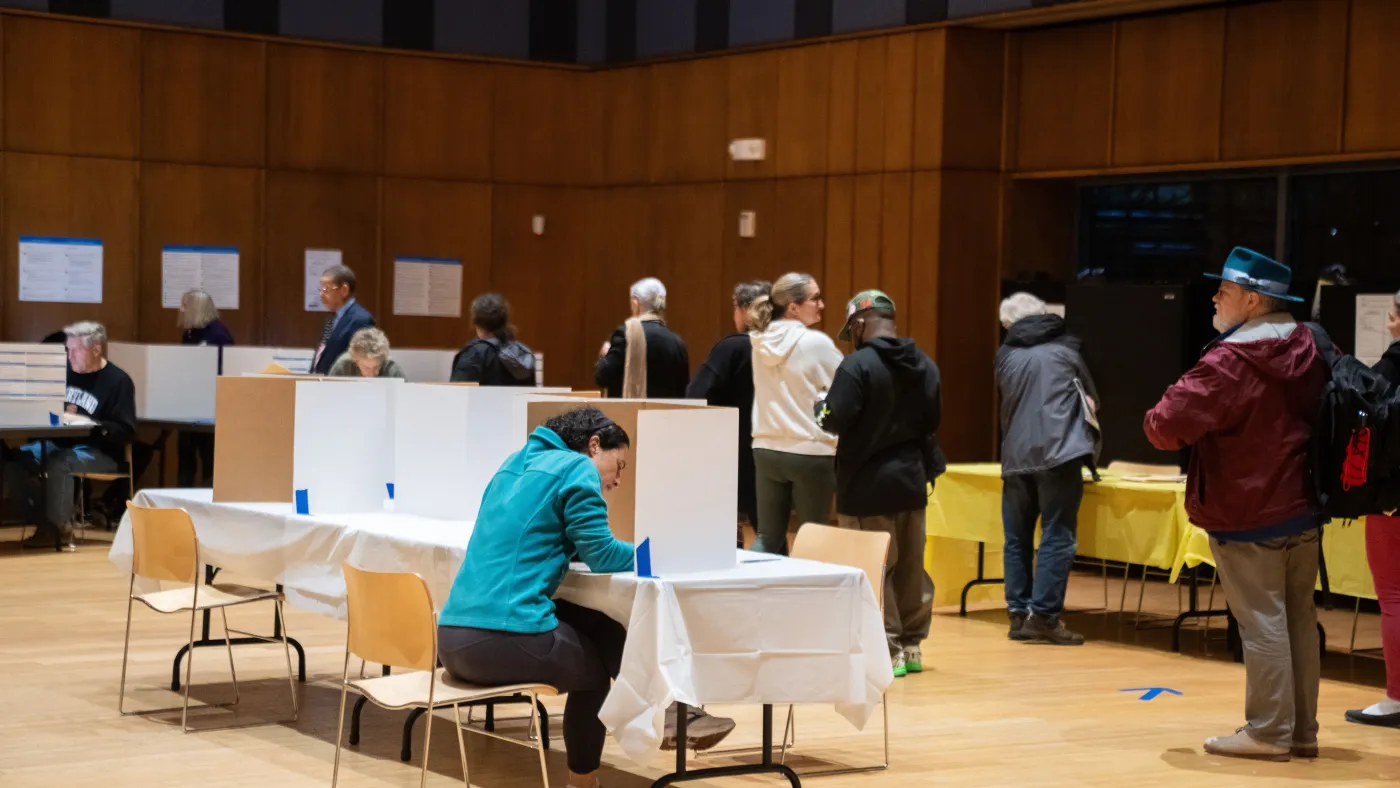
Early voting scenes in Maryland feature decisions on congressional redistricting, but that choice is just one piece of a massive national landscape. Voters across the United States are currently weighing 145 statewide ballot measures tracked by Ballotpedia for this election cycle, according to an NPR report by Jahd Khalil.
Whether responding to legislative gridlock via citizen petition drives or voting on constitutional amendments sent down by statehouses, citizens are deciding policy directly. The measures cluster heavily around four major flashpoints: abortion access, LGBTQ+ rights, tax policy, and voting rules.
Abortion Access Four Years After Dobbs
Four years after the Supreme Court overturned Roe v. Wade in the 2022 Dobbs decision, abortion policy remains fluid at the state level. Four states feature abortion questions on their ballots.
In Missouri, voters previously nullified one of the country’s strictest abortion bans. Now, the Republican-led legislature has placed a new question on the ballot. Lawmakers crafted a single query combining a near-total abortion ban with prohibitions on gender-affirming medical treatments for minors. Much of the measure’s advertising focuses entirely on the gender-affirming care ban, which would anchor current statutory restrictions into the state constitution.
Meanwhile, Nevada and Virginia voters have the opportunity to enshrine abortion rights directly into their state constitutions, making it significantly harder for future legislatures to restrict the procedure. In Idaho, voters are weighing a measure that could overturn the state’s near-total abortion ban.
Contesting Transgender Restrictions and LGBTQ+ Rights
State battles over gender identity and sexual orientation have also reached the ballot box. Vermont voters are considering a proposal to amend the state constitution with an equal protection clause guaranteeing rights based on gender identity and expression, NPR reported.

Virginia voters face a choice on same-sex marriage. The state constitution still contains a dormant ban rendered unenforceable by the 2015 U.S. Supreme Court decision. The proposed amendment would replace that language by defining marriage as between any two adults regardless of race, sex, or gender.
At the same time, athletic restrictions are up for votes out west. Arizona and Colorado are considering proposals to ban transgender students from girls’ school and college sports. Arizona’s measure expands existing rules by adding restrictions for locker rooms and other designated areas. In Washington state, a proposal would require students wanting to play girls’ sports to have their biological sex confirmed by a healthcare provider based on reproductive anatomy, genetic makeup, or normal endogenously produced testosterone levels.
Fiscal Fights and Wealth Taxes
Fiscal policy represents the single largest category of ballot questions this year. California’s Proposition 40 asks voters to approve a novel one-time, 5% wealth tax on billionaires, targeting assets including company ownership.
Proponents argue the tax makes up for healthcare program cuts driven by federal tax breaks. Opponents, including prominent Democrats, contend the measure will simply drive billionaires out of the state, resulting in long-term revenue losses. Two competing measures on the same California ballot seek to block the wealth tax entirely.
In Colorado, progressive activists are backing a proposal to raise income taxes for individuals earning over $500,000 annually. Other states are pursuing restrictions on taxation. Tennessee voters are considering a ban on state-mandated property taxes. Iowa’s General Assembly placed a constitutional amendment on the ballot requiring a two-thirds majority in both legislative chambers to pass certain tax law changes. Florida lawmakers advanced a question exempting the first $150,000 of a home’s value from property taxes, a move that carries major implications for local government budgets.
Altering the Rules of Democracy
Voters in several states are deciding how future laws can be changed. North Dakota and South Dakota have proposals requiring 60% voter approval for future constitutional amendments, replacing the traditional simple majority threshold. Utah is considering a similar threshold for tax proposals.
Missouri voters are weighing whether to restrict lawmakers from overturning future voter initiatives. Missourians are also deciding on a congressional redistricting plan that could help Republicans flip a Democratic-held House seat in 2028. In Maryland, voters are considering a separate redistricting measure expected to favor Democrats.
Other voting-related measures are scattered across the map. Coloradans are weighing a requirement for ballot questions to be written in plain, eighth-grade-level English. Montanans are voting on a state-level workaround to the Citizens United Supreme Court decision by redefining corporations to limit unlimited political donations, though legal challenges are anticipated.
California, Nevada, and North Carolina all feature proposals requiring photo ID to cast a ballot. In Virginia, voters are deciding whether individuals convicted of felonies must have their voting rights restored directly by the governor.

Keeping an eye on the polls – KOB 4
As the 2026 midterms approach, a non-partisan effort is unfolding across New Mexico to bridge the widening gap...

Building for Tomorrow is Better for Business Today – New York YIMBY
New York State is doubling down on a simple premise: building multifamily housing that barely touches the planet...
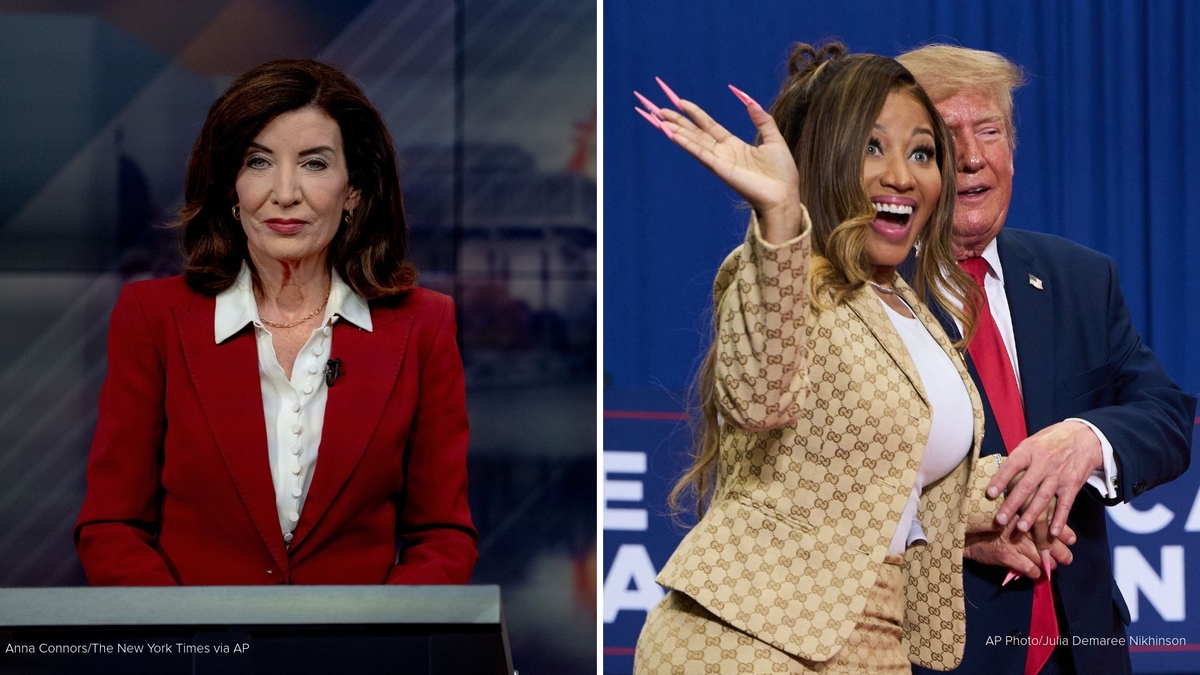
New York Governor Kathy Hochul responds after rapper Nicki Minaj calls her ‘evil
Rapper Nicki Minaj and New York Governor Kathy Hochul Trade Sharp Words in Final Days of Campaign New...

As Above, So Below Distillery | Santa Fe Spirits – New Mexico Magazine
Magic, Botanicals, and High-Rye Bourbon in Santa Fe Caley Shoemaker never expected a surplus of neighborhood fruit to...