
Record Floodwaters Inundate Polk County
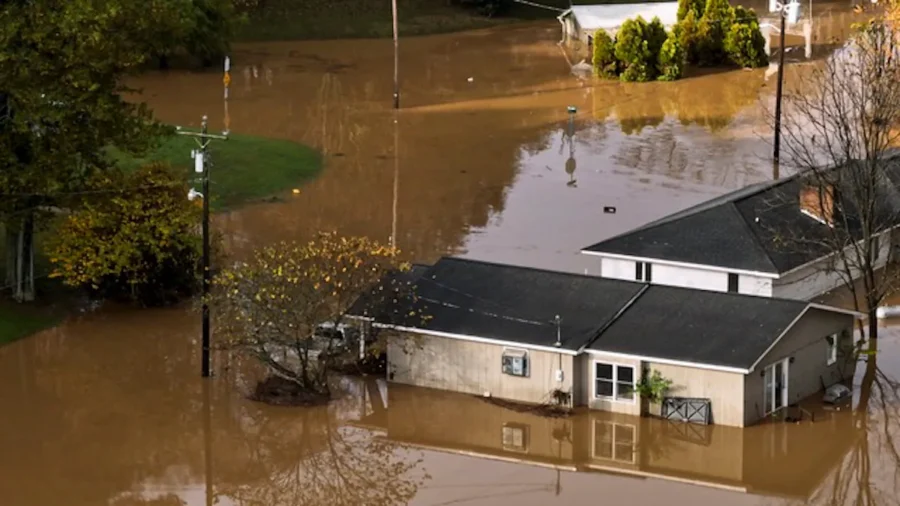
The morning of November 5, 2026, brought a historic surge to the Ocoee River, as extreme rainfall triggered flash flooding that forced dozens of emergency rescues across southeast Tennessee. According to reports from WSMV, the Ocoee River crested at a record 18.05 feet in Copperhill—a measurement that surpassed the previous record of 17.75 feet. The sudden inundation prompted the Tennessee Emergency Management Agency (TEMA) to activate the state’s emergency operations center to Level 4, signaling an elevated response to a crisis that left roads submerged, bridges compromised, and residents in need of immediate extraction.
The scale of the event became clear as Tennessee swift-water teams completed 68 rescues by the afternoon. While the immediate danger has begun to subside in some areas, the human and economic toll remains significant. Residents in Copperhill are navigating a mandatory water-conservation notice, and displaced families have been directed to an evacuation center at the Copper Basin Fire and Rescue, as reported by WSMV. The Tennessee Valley Authority, which manages the watershed, noted that heavy rainfall—ranging from 8 to 10 inches overnight—pushed water levels to historic highs before they began to pull back.
Emergency shelters are open for individuals and families impacted by flooding in Polk County and the Copper Basin area. For current shelter locations and availability, visit TEMA’s interactive shelter map: https://t.co/ZCSI2UZG1d
Infrastructure Damage and Regional Closures
The flooding did not stop at the state line. In neighboring McCaysville, Georgia, the situation was equally dire. According to NTD, swift-water teams in Fannin County conducted at least 57 rescues. The flooding there reached depths of 6 to 7 feet in the downtown area, leaving some structures inundated to their rooflines. The impact on local infrastructure has been severe, with both bridges in Copperhill closed to traffic, and state inspectors awaiting lower water levels to assess the structural integrity of the Rogers Creek Bridge, which was struck by a large piece of debris that broke from its foundation.
The logistical strain is compounded by the closure of major transit routes. TDOT crews have been working to clear mud from State Route 68, but the extent of the damage means that travel through the region remains hazardous. Ocoee River State Park is currently closed to the public, and local school districts, including those in Polk County, Tennessee, and Fannin and Gilmer counties in Georgia, shuttered their doors to ensure student safety during the emergency.
Overnight, significant rainfall and flash flooding in McCaysville, GA, and Copperhill, TN, caused a historic rise in water levels on the Toccoa/Ocoee River between Blue Ridge Dam and Ocoee No. 3 Dam. Beginning at 7 a.m., we stopped all releases from Blue Ridge Dam to limit… pic.twitter.com/MBX8joeSmz
Relief Efforts and Resource Distribution
As the water recedes, the focus has shifted to supporting those whose homes and livelihoods have been disrupted. A supply distribution point has been established at the Piggly Wiggly on Five Points Drive in Copperhill to provide essential goods to those affected. Coordination between state agencies and local utilities is ongoing to address water service issues, with TEMA working to deliver water to residents impacted by the conservation order.
“Emergency shelters are open for individuals and families impacted by flooding in Polk County and the Copper Basin area,” TEMA stated in an official update.
For those looking to assist, the Polk County Chamber of Commerce and the United Way of the Ocoee Region have launched relief funds, specifically identifying a need for baby supplies and toiletries. The intensity of this flash flood highlights the vulnerability of the Copper Basin watershed to high-volume, short-duration rainfall events. While the Tennessee Valley Authority reduced releases from the Blue Ridge Dam to mitigate downstream flow, the sheer volume of water made this a landmark event for the region.
The Long Road to Recovery
Although meteorologists anticipate no additional rain for the remainder of the week, the consequences of the cresting river will be felt for some time. The economic disruption—spanning school closures, bridge inspections, and the suspension of commercial activity in downtown McCaysville and Copperhill—serves as a stark reminder of the region’s geographic challenges.
Local officials continue to urge caution. Residents are advised to avoid flooded roadways and strictly follow instructions provided by local emergency management. With state and federal resources now fully engaged in the recovery phase, the primary task for the coming days will be structural assessment and the restoration of essential services for a community still reeling from the record-breaking surge.
Keep reading

Nasdaq Rebounds as Chip Stocks Recover from AI Regulation and Jobs Data Fears
Nasdaq Rebounds as Semiconductor Equities Shake Off Correction Fears The Nasdaq Composite staged a recovery on Friday, clawing...

Wyoming Digital Government Summit focuses on AI and cybersecurity
Wyoming’s Digital Shift: Cybersecurity and AI at the Forefront On May 20, 2026, state and local government leaders...

Dillard’s to Close Citadel Mall Location After 34 Years
Dillard’s to Exit Citadel Mall After 34-Year Run The West Ashley retail landscape is losing one of its...

Virginia Beach Launches Military-Themed Gingerbread Holiday Trail
Virginia Beach Expands Holiday Gingerbread Tradition to Military Families The annual gingerbread competition in Virginia Beach is evolving...