American-born pianist Stephen Kovacevich died October 27, 2026, in London at the age of 86.
His death closes a six-decade career that began in Los Angeles and flowered in Britain, where he settled as a teenager and became one of the most distinctive voices in Beethoven, Schubert, and Bartók on record.
A Los Angeles start, a London life
Born Stephen Bishop in 1940, he began piano studies with Lev Schorr at eight. By eleven he had made his public debut in San Francisco; at fourteen he played the Ravel G major and Schumann A minor concertos with the San Francisco Symphony.
A scholarship took him to London in 1959 to study with Myra Hess, who spotted his Beethoven affinity early. His 1961 Wigmore Hall debut — Diabelli Variations, Berg Sonata, three Bach preludes and fugues — announced a major talent, Presto Music reported.
He built his career in the UK, appearing with conductors including Haitink, Masur, Rattle, Solti, and especially Colin Davis, with whom he recorded a celebrated Bartók Second Piano Concerto with the BBC Symphony Orchestra.
Chamber partnerships ran deep: Jacqueline du Pré, Steven Isserlis, Nicola Benedetti, the Amadeus, Belcea, and Cleveland Quartets, and a lifelong musical friendship with Martha Argerich that produced recordings of Bartók, Debussy, and Mozart for two pianos.
Name changes mark recording career
He recorded prolifically — partly, critics noted, because severe stage fright made the studio his natural habitat. In 1975 he became Stephen Bishop-Kovacevich, adding his Croatian mother’s surname to avoid confusion with the pop songwriter Stephen Bishop; in 1991 he dropped the hyphenate and went simply by Stephen Kovacevich.
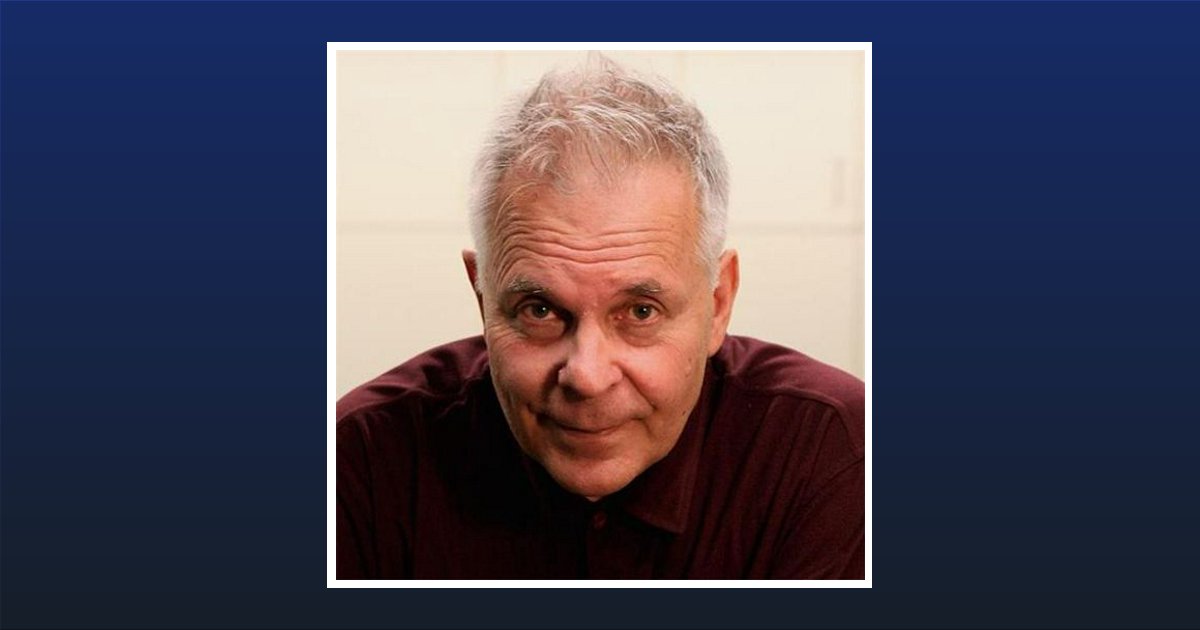
The Boston Musical Intelligencer argued that his earliest recordings, made under the Bishop name in the late 1960s and early 1970s, remain his most revelatory.
The Brahms Handel Variations, the Opus 31 Beethoven sonatas, and especially the late sonatas — Opus 109, 110, 111 — and the Diabelli Variations displayed a “rugged, chiseled approach” with a dynamic range from “intensely delicate pianissimo to the most commanding thunder.” The Diabelli, in particular, drew a fellow critic’s verdict: “Once you have heard it everyone else sounds lame.”
The same writer found the later complete Beethoven cycle “segmented, muscular still but noticeably less effortless,” lacking the “ready force and flow and easy breathing” of the youthful versions. Igor Kipnis once told the critic he witnessed the early Beethoven sessions: Bishop ran a fever but plowed through takes, a scene Kipnis likened to Thomas Mann.
Survived by children from two marriages
Kovacevich leaves two sons, Matt and Foff, from his marriage to novelist and psychotherapist Bernardine Bishop (née Wall), who died in 2013, and a daughter, Stéphanie Argerich, with Martha Argerich.
Late in life he appeared in Jan Schmidt-Garre’s film The Alchemy of the Piano, offering masterclasses that distilled decades of insight into speed, weight, and the singing line — qualities hearable in his Schubert G-flat Impromptu tutorial, where he insisted on “proper speeds for passion.”
His last public appearances were in that film and in masterclasses captured there; no further concert dates were announced.
Keep reading
MSU Basketball Crashes to 61-46 Loss at Tennessee on 18% Shooting
Michigan State basketball fell 61-46 to Tennessee on Tuesday, Nov. 17, after shooting just 18% from the floor...

Students for Life Action Challenges South Dakota Donor Disclosure Law at Eighth Circuit
A student-led anti-abortion organization asked a federal appeals court on Wednesday to strike down a South Dakota law...

South Carolina Leads Nation With Five Players on Wooden Award Preseason Top 50 Watchlist
South Carolina leads the country with five players selected for the 2026-27 John R. Wooden Award Women’s Preseason...
SEPTA Adds Express Trains for Steelers Game as Marathon Clogs Roads
Traffic congestion from the Philadelphia Marathon will complicate travel to Lincoln Financial Field this Sunday, prompting transit officials...