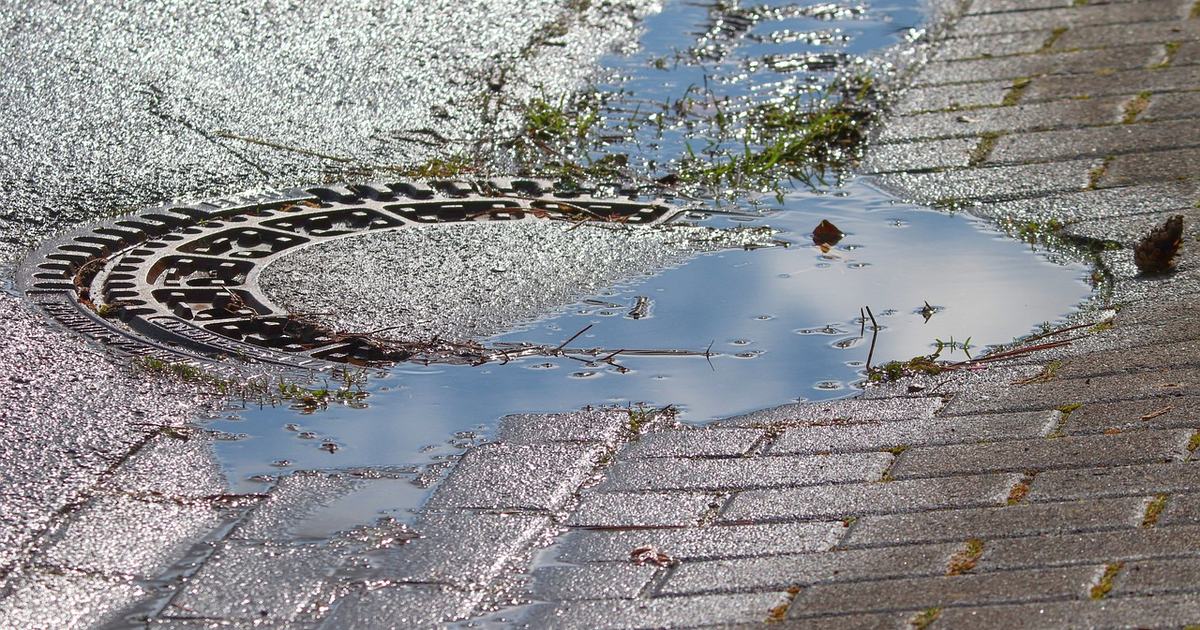
GLWA CEO Suzanne Coffey urges Lansing to fund an $85 billion water infrastructure fix over 20 years.
In a guest commentary for Bridge Michigan, Great Lakes Water Authority Chief Executive Officer Suzanne Coffey argues that Michigan has delayed water infrastructure upgrades long enough and that Lansing must now deliver a sustained, multi-year funding plan.
The piece opens with a scene from Akron, a village in the Thumb where an estimated 98 percent of the water system dates to the 1950s and only two of five wells remain usable.
Drawing enough water to fight a house fire can drop system pressure far enough to trigger a boil‑water advisory. Akron is not an outlier, Coffey writes; it is part of a pattern the Water Funding Task Force documented across the state’s more than 1,400 community water systems.
That task force, convened by GLWA, spent six months hearing from every region and produced a report titled The Crisis Beneath Us that puts the price of catching up as high as $85 billion over the next 20 years, Bridge Michigan reported.
The human toll is already visible. A main failure in Oakland County that May cut service to roughly 200,000 people, closing schools, sending a corporate headquarters home and displacing nursing‑home residents.

Many Michigan cities built the bulk of their systems in two bursts — the 1920s and the post‑World War II boom — designing pipes to last 75 to 100 years.
The commentary notes that for every dollar Michigan spends on roads, water infrastructure receives only about four cents. Combined water and sewer rates across the state have risen 24 percent in five years, yet local rates were never designed to cover wholesale system replacement — only treatment, staffing, chemicals and repairs.
Only about a third of the total cost of system disruptions falls on the utility that owns the pipe. A community pays for a main break whether or not it owns the water main.
The task force examined utilities in Wisconsin, Illinois and Ohio that have built predictable, multi‑year funding structures supplementing rates and charges.
GLWA serves more than 100 communities across southeast Michigan, giving it a view across systems that any single utility lacks. Not two days after The Crisis Beneath Us was released, the authority convened the first of many coalition‑building meetings with municipal leagues, townships, counties, contractors and business organizations. Those who attended did not need persuading.
Worth a look
New York Proposes Constitutional Privacy Amendment Amid Federal Medical Records Demand
A proposed amendment to the New York Constitution would make the state the twelfth to enshrine an explicit...

St. Johns River Near Cocoa Hits Record 17.7 Feet, Floods Homes and Roads
The St. Johns River near Cocoa, Florida, reached 17.7 feet early Thursday, breaking the previous record of 17.55...
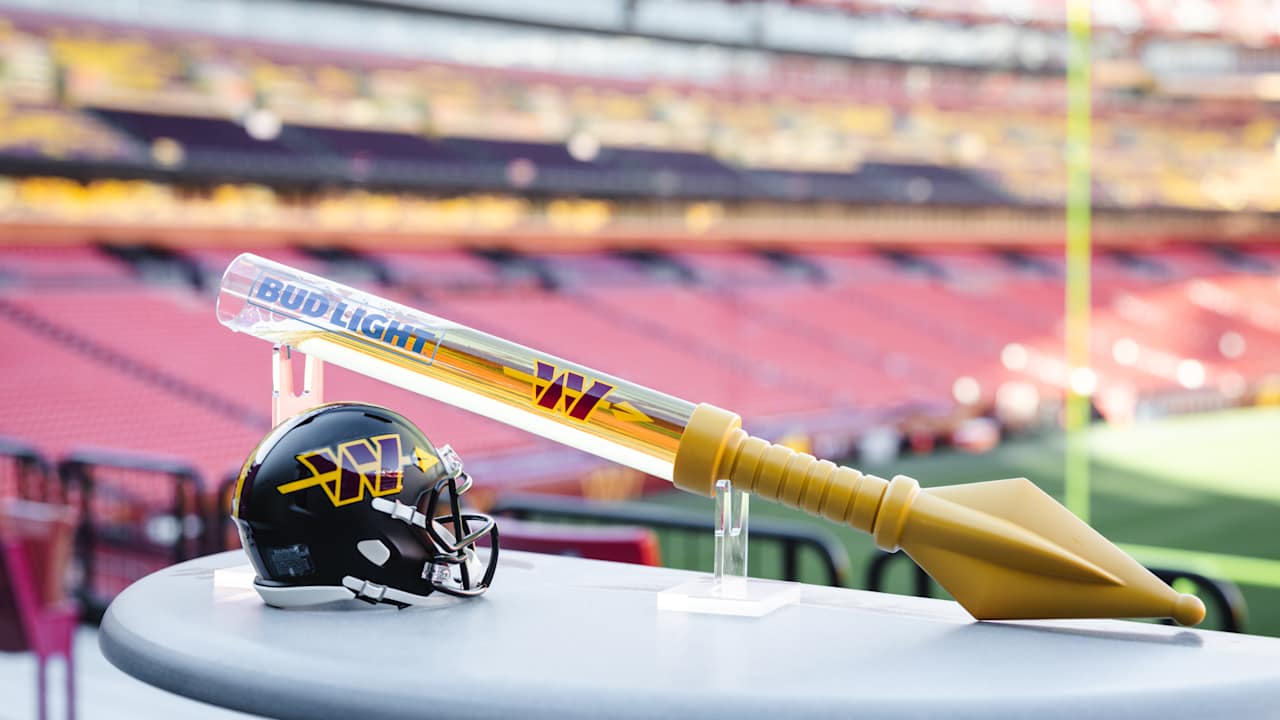
Commanders, Bud Light to Sell Collectible ‘Beer Spear’ at Northwest Stadium Starting Nov. 23
The Washington Commanders and Bud Light will roll out a 16‑ounce collectible vessel called the Beer Spear at...
This Is, for Me, the Key to What Happens During These El Niño Years
"This is, for me, the key to what happens during these El Niño years when you have a...