
In a first-person essay for Her Campus at FSU, a student writer argues that Tallahassee’s indie music scene functions as a vital “third space” where college students and residents forge community through mutual support rather than competition.
The piece, published under the Her Campus FSU chapter byline, frames the capital city as an overlooked cultural incubator. The author describes arriving for college weighed down by career anxiety and isolation, then finding footing after attending a first show at Club Downunder and joining the university’s student-run station, WVFS 89.7 FM.
What distinguishes the local ecosystem, the writer contends, is a density of collaboration across Florida State, Florida A&M, and Tallahassee State College.
A member of the alternative rock project Suffice told Her Campus the scene thrives on reciprocal gestures: “The Tallahassee music scene is awesome; everyone is so supportive. Whether it’s showing up to a friend’s show, or saying, ‘Hey, we need one more band on this bill, are you down to play?’ or even buying each other’s merch, it’s always great to see how we lift each other up.”
That ethos extends to booking. The Suffice member said many of the band’s opportunities originated from friendships formed in shared spaces rather than formal industry pipelines.
The essay maps a lineage that includes Creed and Ethel Cain alongside current staples such as the emo math-rock group Pool Kids, the indie pop outfit Weatherboys, and the self-described “dirtiest punk band,” The Dirt Eaters. Newer entrants Backwards Driving and Slop Machina illustrate the scene’s genre breadth.

Slop Machina, a four-piece hardcore band, told Her Campus their aim is straightforward: “Being in a band is all about the music for us. When we go out and play shows around Tallahassee, we hope to share our sound and creative vision with others who also love hardcore music.”
Guitarist Chris Riaz added that the band absorbs influence from both canonical heavy acts — Death, Slayer, Machine Head, Crowbar — and peers on local bills. “It’s my personal belief that practically all music has mechanisms for one to listen and utilize,” Riaz said.
The infrastructure ranges from established rooms — 926 Bar, The Bark, Real Cool Time Underground, The Moon — to backyard and house shows that create an intimacy “hard to replicate,” the author writes. Slop Machina cited a rooftop set atop the Spirit Way Garage as a favorite memory; the unexpected turnout reinforced their drive to keep performing.
Institutional anchors supplement the DIY circuit. WVFS Tallahassee 89.7 FM broadcasts 24/7 and airs a weekly local-music showcase called “Hootenanny,” while also training students in radio operations. The Music Industry Connection, an FSU student organization, hosts house shows and open mics to link artists with audiences.
The essay closes with Riaz’s framing of the stakes: “The goal is to create a third space for people to express themselves in ways they can’t anywhere else.”
The author argues that every ticket bought and face in the crowd sustains a cultural fabric that resists easy genre classification — “full of love, musicians supporting one another, and strangers who become friends somewhere between the opening performance and the last song of the night.”
Worth a look

Warriors Host Kings on November 25 at Chase Center for NBA Cup Game
The Golden State Warriors host the Sacramento Kings on November 25 at Chase Center for an NBA Cup...

Parents Question Forfeits After Eligibility Issue Derailed Rocky Season
Expectations were high that the Rocky Mountain College women’s soccer team would reach the national stage during this...
USC faces Maryland at Los Angeles Memorial Coliseum on Nov 21, 2026
The No. 18 USC Trojans return to the Los Angeles Memorial Coliseum this Saturday, November 21, 2026, to...
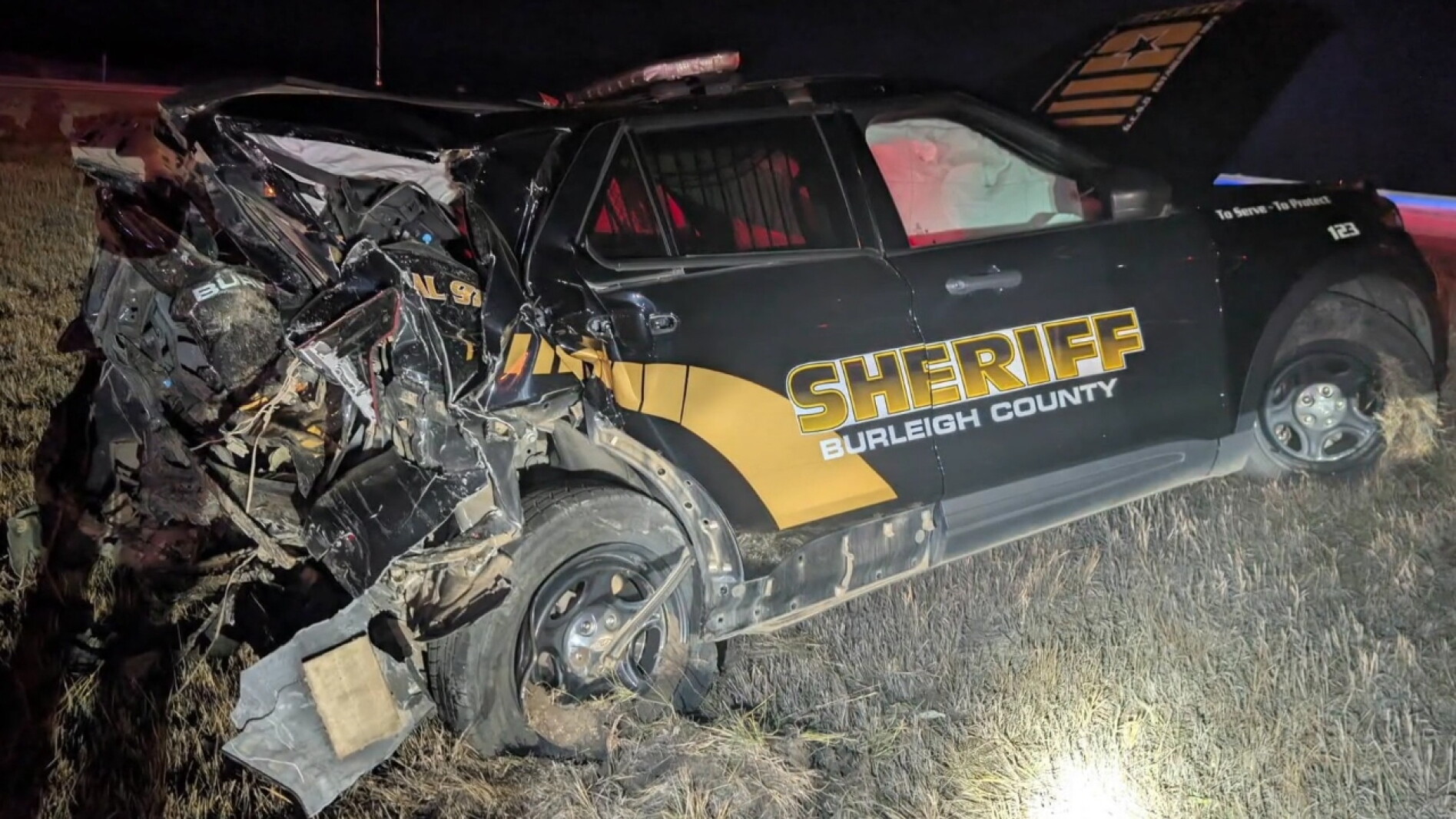
Three Crashes Hit Law Enforcement Vehicles North of Bismarck Highway 83
On Thursday night, Nov. 19, a routine traffic stop on U.S. Highway 83 north of Bismarck spiraled into...