
A student essay in The Phoenix traces how the Cranberries‘ “Zombie” moved from a 1994 protest single into a global flashpoint — banned by the BBC, adopted by Irish rugby crowds, and cited in a Russian court conviction for “promoting fascism.”
The piece, written by a student who grew up in Ireland, argues that the song’s 1.9 billion YouTube views have made it the primary lens through which many outsiders understand the Troubles, a conflict that raged from 1968 to 1998. That reach, the author contends, demands scrutiny of the specific criticisms that have dogged the track for three decades.
The tanks that weren’t there
Upon release, the Northern Irish band Schtum accused Dolores O’Riordan — a Limerick native — of flattening centuries of history despite having little personal experience of the violence, the essay notes. The BBC later banned the music video for footage of children holding guns.
Paul Brannigan of Louder revived and sharpened that critique in September 2023, calling “Zombie” “the worst song ever written about the Troubles.” Brannigan, who grew up on the border and was forced to move after a petrol-bomb attack, zeroed in on the lyric “with their tanks.” He suggested O’Riordan may have mistaken Belfast for Beijing, a detail he said he would not have gotten wrong given his childhood.
The core of Brannigan’s issue with “Zombie” comes from its title, which, he argues, suggests that all the causes of the political violence in the Troubles lay solely in the minds of the IRA men, who were stuck in the past. He believes this to be false as well as disrespectful.
The essay’s author writes that Brannigan views the title as an erasure of political grievance, reducing a territorial and constitutional conflict to mindless repetition.
From Nobel stage to rugby terrace
Despite early backlash, the song was played at the 1998 Nobel Peace Prize ceremony honoring John Hume and David Trimble. An Irish Times review in 1999 dismissed it as “crass and by now anachronistic,” yet the track outlived the Good Friday Agreement. O’Riordan herself dedicated it to victims of genocide in Bosnia and Rwanda, and fans have since invoked it for conflicts worldwide.
The meaning shifted again in 2023 when Irish rugby fans belted the chorus after a 13-8 victory over the Springboks at the Rugby World Cup, a moment that went viral and reignited the historical debate.
A Russian conviction
In 2023, a Novgorod court fined surgeon and aspiring opposition councilman Valery Kochnev the equivalent of $20 for “promoting fascism” after he allegedly shared the music video on social media. A requested linguistic analysis of the lyrics was not carried out. The video contains swastikas — O’Riordan said they were included to illustrate the horrors of war — but Kochnev denied posting it at all, implying his accounts were hacked to discredit him.
O’Riordan, born in 1971 in County Limerick, left school to join the Cranberries in 1990 and became their principal songwriter and lead vocalist. The band sold more than 40 million albums worldwide during her lifetime, with their debut album Everybody Else Is Doing It, So Why Can’t We? reaching number one in 1993. She later served as a judge on RTÉ’s The Voice of Ireland from 2013 to 2014.
The essay concludes that “Zombie” remains as contested as the history it references: praised as an anti-war anthem, condemned as historical flattening, and now legally designated fascist propaganda by the world’s largest country by geography.

Needham Upsets Top-Seeded Concord-Carlisle Behind Laporte Hat Trick to Reach D1 Final
Needham junior Viv Laporte scored three goals for the third consecutive tournament game as the fourth-seeded Rockets upset...
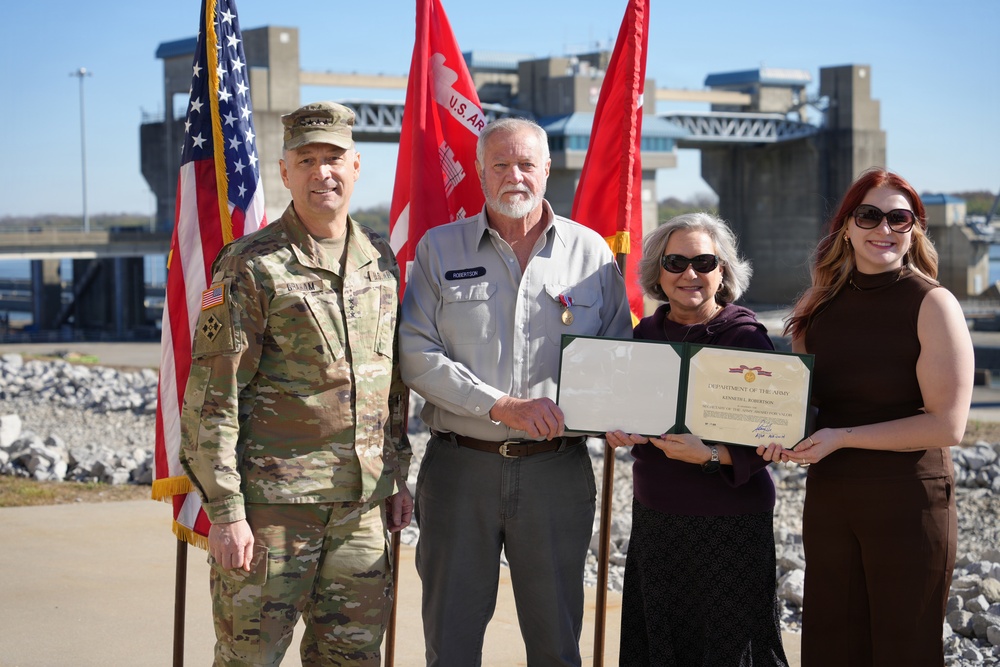
USACE Boat Pilot Earns Secretary of Army Valor Award; Citation Credits Him With Saving Seven Lives
“Ken, your courage and judgment gave seven people the chance to reach safety,” Lt. Gen. William H. “Butch”...

Michigan Regulators Hold Detroit Workshop on Energy Costs and Assistance Access
Michigan utility regulators convened a public workshop in Detroit on Tuesday to hear directly from residents grappling with...
Father, Son Dead After Gasoline Fireplace Explosion Ignites House Fire Southwest of Lincoln
A father and son are dead after a gasoline-fueled explosion tore through their home southwest of Lincoln Wednesday...