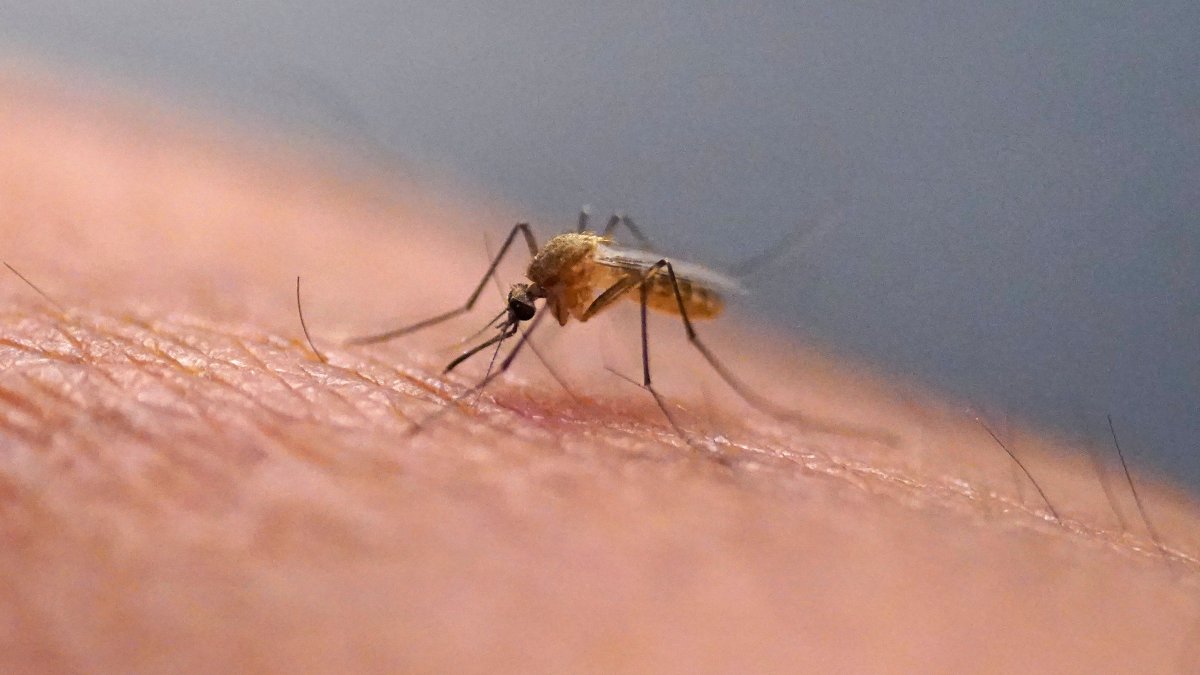
Children living in Brazilian neighborhoods where researchers released specially bred mosquitoes experienced about a 69 percent reduction in dengue and chikungunya infections compared to untreated areas, according to a major study presented on Saturday.
The four-year study, conducted in Belo Horizonte and detailed by Ahram Online, tracked more than 5,700 schoolchildren. Researchers tested blood samples directly for signs of infection rather than relying solely on clinical diagnoses, capturing mild cases that often go unreported.
The protective effect remained robust even during Brazil’s severe dengue outbreak in 2024, The Independent reported. Dr. Sri Edupuganti of Emory University shared the findings at the annual meeting of the American Society of Tropical Medicine and Hygiene.
“This is really exciting,” said Dr. David Hamer, a global health expert at Boston University who was not involved in the Brazilian research, as noted by Yahoo. Hamer predicted that pairing this biological approach with existing vector control measures could significantly lower transmission levels.
The strategy involves breeding Aedes aegypti mosquitoes to carry Wolbachia, a natural bacterium harmless to humans that blocks the insects from transmitting viruses. Female mosquitoes pass the bacteria to their offspring, allowing the trait to establish in local populations over time.
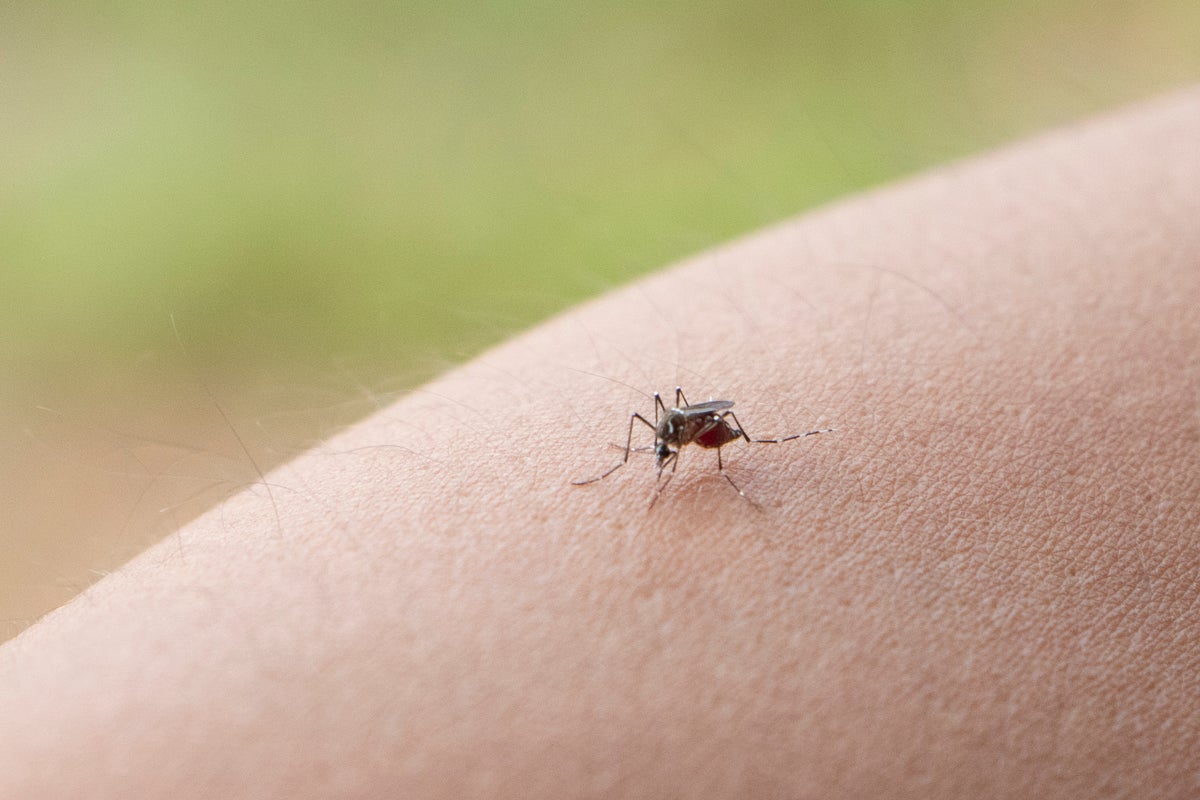
These findings emerge as Florida grapples with an unusually large local dengue outbreak, registering more than 650 locally acquired cases, with about three-quarters of them in Hillsborough County, health officials reported. Researchers said that there were too few cases of Zika during the Belo Horizonte trial to determine whether the modified mosquitoes affected that specific virus.
Keep reading

Mepolizumab Reduced Annual Systemic Corticosteroid Exposure in COPD Patients
Mepolizumab reduced annual systemic corticosteroid exposure compared with placebo in patients with COPD and type 2 inflammation. The...

Indonesia Welcomes Safe Harbour Mechanism for Carbon Credit Legal Certainty
Indonesia welcomes the "safe harbour" mechanism to provide legal certainty for carbon credit buyers and investors, which aims...

Met Éireann Issues Status Yellow Rain Warnings for Cork, Kerry, Waterford
Status Yellow rain warnings will take effect for Cork, Kerry and Waterford on Saturday night as Met Éireann...

Scientists Discover Rare Genetic Eye Disease Causing Night Vision Loss
Scientists identified a rare genetic eye disease that causes progressive vision loss by interfering with night vision and...