
Thanksgiving week delivers the first supermoon in ten months, launching a run of four oversized full moons in a row that stretches into February 2027.
The November 24 moon reaches full illumination Tuesday morning, but the real show starts at sunset, when the moon illusion inflates the rising orb above the eastern horizon. A supermoon can appear up to 30 percent brighter and 14 percent bigger than the smallest full moon. The golden-hour light paints it a tangerine hue, and the December 23 supermoon will be the closest full moon of the decade so far at 221,667 miles away.
“The round orb looks especially large and bright as it rises and sets due to an effect known as the moon illusion,” the guide says. Two more follow in early 2027: January 22 and February 20. Moonrise and moonset azimuths stay roughly the same all year, so the viewing spots below work for the entire sequence.

Stephanie Vermillion, an astrophotographer and night-sky tourist who has chased at least a dozen supermoons from the badlands of South Dakota to Serengeti National Park in Tanzania, explains that the ascension is especially partial because it doesn’t come with an early wake-up call.
Supermoon viewing spots across states
Alabama: Cheaha State Park, 70 miles east of Birmingham. Bunker Tower at roughly 2,400 feet offers forest overlooks. Alaska: Homer Spit, a 4.5-mile sliver into Kachemak Bay; east-facing side catches moonrise, west-facing catches sunset, with a chance of northern lights.
Arizona: Grand Canyon — Mather Point, Yaki Point, or Shoshone Point on the South Rim (check current travel restrictions for recent flooding closures). Arkansas: Pinnacle Mountain State Park visitor center, west of Little Rock. California: Death Valley National Park — Zabriskie Point or Mesquite Flat Sand Dunes for the moon above the Grapevine peaks.
Colorado: Colorado Chautauqua above Boulder; trail overlook or Chautauqua Park for unobstructed east views, with the Flatirons glowing at sunset. Connecticut: Hammonasset Beach State Park, Meigs Point, 20-plus miles east of New Haven. Delaware: Cape Henlopen State Park, The Point where Delaware Bay meets the Atlantic; position about one-third up the west-side beach to frame the Delaware Breakwater East End Lighthouse. Rehoboth Beach just south is another option.
Florida: Key Biscayne, Cape Florida Beach at Bill Baggs Cape Florida State Park, within ten miles of downtown Miami. Georgia: Jekyll Island — Driftwood Beach with its gnarled oak and pine skeletons, plus South Dunes Picnic Area and Great Dunes Park. Hawaii: Pololū Valley on the Island of Hawaii; elevated overlook or hike down to the waterfront, with migrating whales possible December through April.
Idaho: Perrine Memorial Bridge in Twin Falls; pedestrian sidewalk on the east side over the Snake River. Illinois: Chicago’s 18-mile Lakefront Trail — North Avenue Beach, end of Navy Pier, or behind Adler Planetarium. Indiana: Brown County State Park, Hesitation Point overlook (the state’s largest park, nicknamed the Little Smokies).
Iowa: Pikes Peak State Park, Pikes Peak Scenic Overlook above the Wisconsin and Mississippi rivers, around 100 miles from Cedar Rapids. Kansas: Tallgrass Prairie National Preserve, Southwind Nature Trail; vast flat fields drop the horizon low, with possible bison, deer, and hare sightings, 75 miles southwest of Topeka. Kentucky: Pine Mountain State Resort Park, Chained Rock Trail (one mile, 250 feet of elevation gain via stairs and packed dirt); watch for bears.
Louisiana: Lake Martin, roughly 50 miles west of Baton Rouge; cypress-studded water reflects the orange orb, five-mile Levee Trail or kayak access, frequent egrets and spoonbills. Maine: Portland Head Light, 1790s lighthouse six miles from downtown Portland, unobstructed east views. Maryland: North Point State Park, Crystal Pier or adjacent beach on the Hiker-Biker Trail, moon rising over Chesapeake Bay. Massachusetts: Halibut Point State Park, northern tip for east moonrise and west sunset on 440-million-year-old granite. Michigan: Belle Isle, northeast section of Driker Trail, 982 acres with Detroit River backdrop.
Minnesota: Split Rock Lighthouse atop a 130-foot cliff, with northern lights potential; Pebble Beach for lake-level view. Mississippi: Sardis Lake, 98,000-plus-acre reservoir 60 miles south of Memphis; Pats Bluff or John W. Kyle State Park Campground.
Missouri: Gateway Arch National Park, west of the Arch to frame the 630-foot monument beneath the rising moon. Montana: Flathead Lake west shore — West Shore, Big Arm, Volunteer Park — Mission Mountains backdrop; Glacier National Park under 60 miles north. Nebraska: Standing Bear Lake, 20 miles from downtown Omaha.
Nevada: Great Basin National Park, Mather Overlook or Wheeler Peak Scenic Drive. New Hampshire: Mount Washington Auto Road base or Bretton Woods for valley views. New Jersey: Cape May Point State Park, beachfront with lighthouse silhouette. New Mexico: White Sands National Park, Alkali Flat Trail for moon over gypsum dunes. New York: Jones Beach State Park, Field 6 or West End 2 for Atlantic horizon. North Carolina: Cape Hatteras National Seashore, Cape Point or Frisco Beach. North Dakota: Theodore Roosevelt National Park, North Unit, River Bend Overlook. Ohio: Headlands Beach State Park, longest natural beach in the state, Lake Erie horizon. Oklahoma: Black Mesa State Park, highest point in Oklahoma, minimal light pollution. Oregon: Cannon Beach, Haystack Rock framing the moonrise. Pennsylvania: Presque Isle State Park, Beach 11 or Gull Point for Lake Erie views.
Rhode Island: Beavertail State Park, rocky coastline with lighthouse. South Carolina: Huntington Beach State Park, Atalaya Castle ruins in foreground. South Dakota: Badlands National Park, Big Badlands Overlook or Pinnacles Overlook. Tennessee: Reelfoot Lake State Park, cypress trees in water reflection. Texas: Big Bend National Park, Chisos Basin or Persimmon Gap. Utah: Dead Horse Point State Park, canyon rim 2,000 feet above Colorado River.
Vermont: Lake Champlain Islands, North Hero or Grand Isle shoreline. Virginia: Chincoteague National Wildlife Refuge, Assateague Island beach. Washington: Olympic National Park, Hurricane Ridge or Rialto Beach. West Virginia: Spruce Knob, highest point in the state, Seneca Rocks visible. Wisconsin: Door County, Cave Point County Park limestone cliffs. Wyoming: Grand Teton National Park, Snake River Overlook or Schwabacher Landing.
Why the December moon matters most
The December 23 supermoon closes the gap to 221,667 miles — perigee syzygy at its most extreme this decade. That proximity amplifies the moon illusion at horizon rise, making the tangerine disk appear startlingly large against winter silhouettes. For photographers, the earlier sunset (roughly 4:30 p.m. in the Lower 48) means moonrise lands in deep twilight rather than full dark, balancing foreground detail with lunar surface texture.
Practical notes for the series
All four moons rise in the east-northeast as the sun sets west-southwest. Scout your site 30 minutes before local sunset; the moon clears the horizon within 20–30 minutes of sundown. Cold temperatures drain batteries fast — keep spares in an inner pocket.
A tripod and 200–400 mm equivalent lens compress the foreground and enlarge the moon; phone night modes work surprisingly well if you lock exposure on the lunar disk. Cloud cover is the only true spoiler; check short-range forecasts the afternoon of each event.
Stephanie Vermillion, an adventure journalist and photographer whose work appears in National Geographic, Vogue, AFAR, Travel & Leisure, and Outside, wrote the National Geographic book 100 Nights of a Lifetime and coined the term “noctourism” to describe after-dark travel. She has presented for DarkSky International, appeared on The Weather Channel and the Night Sky Tourist Podcast, and has chased auroras on Greenland sheep farms and meteor showers in dark-sky parks worldwide.
The next dated event: supermoon rise at sunset on Tuesday, November 24.
Worth a look

New Orleans Cuts Budget Deficit to $26M, Reduces Layoffs to 10-20 and Restores Shelter Funding
New Orleans trimmed its projected budget shortfall from $77 million to $26 million on Tuesday, a $51 million...

NOPD Officers Sue Tanker Owner Over Injuries in Mississippi River Cruise Ship Collision
"We ran toward the danger because that's the job," said Cedric Davillier, one of two NOPD officers who...
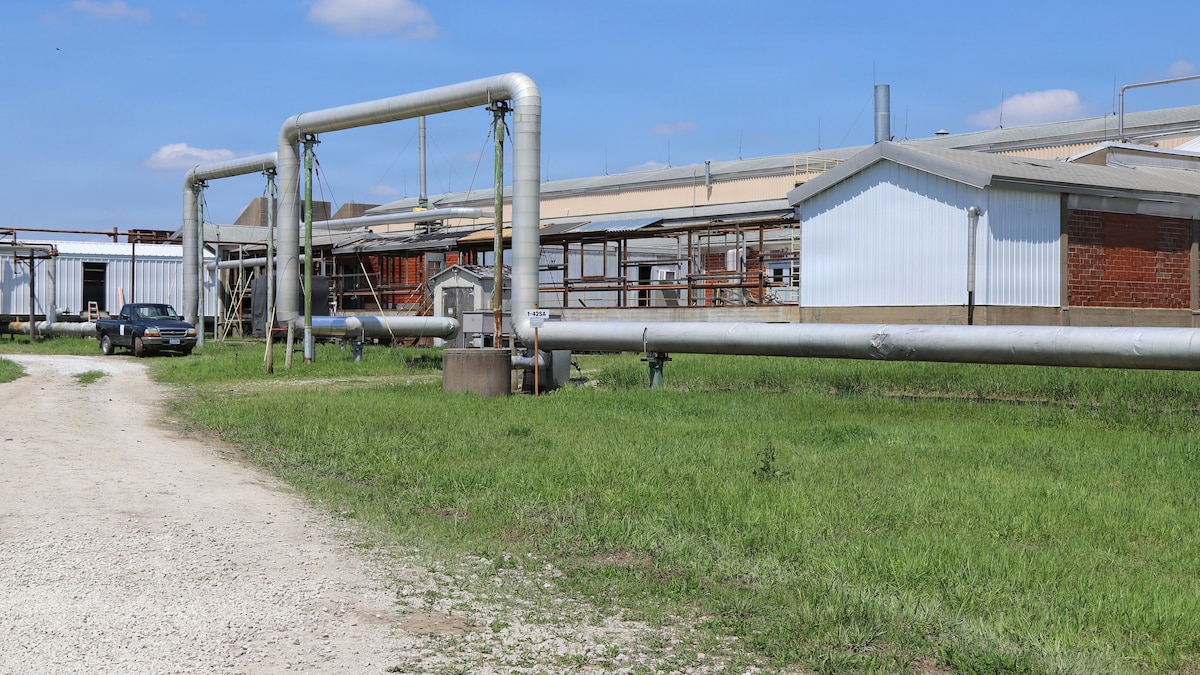
US Army to Detonate Aging Lead Azide in Iowa, Plume Expected Across Two States
The U.S. Army plans to detonate 68 barrels of aging lead azide on Friday at the Iowa Army...

University of Kentucky Marks 15 Years of National Rural Health Day With Pipeline Programs Retaining Physicians, Expanding Rural Access
Fifteen years into National Rural Health Day, Kentucky still measures its progress in miles between patients and providers....