
For nine days during the fall of 1994, Susan Smith stood before television cameras in Union, South Carolina, and begged for the safe return of her two young sons.
The then-23-year-old mother told police that a Black man carjacked her at a traffic light and drove away with 3-year-old Michael and 14-month-old Alex still inside. That heartbreaking narrative completely unraveled in November 1994, when Smith confessed that she had actually let her car roll into John D. Long Lake with her children still strapped into their car seats.
More than three decades later, Smith is now 55 years old and serving a life sentence at Leath Correctional Institution in Greenwood County, South Carolina, according to the South Carolina Department of Corrections. She is scheduled to make her second request for parole on November 19, two years after the state parole board unanimously refused to release her.
During her first parole hearing in November 2024, Smith appeared before the board by video feed. “I know that what I did was horrible,” she said in the hearing. “And I would give anything if I could go back and change it.”
Her defense attorney argued that untreated mental illness contributed to the crime and claimed that Smith no longer posed a danger to the public. Her ex-husband, David Smith, strongly opposed her release and urged the board to keep her behind bars, claiming she had never shown him genuine remorse.
The board voted unanimously against parole in 2024. Under South Carolina law, inmates serving life sentences with the possibility of parole are permitted to request a new hearing every two years.
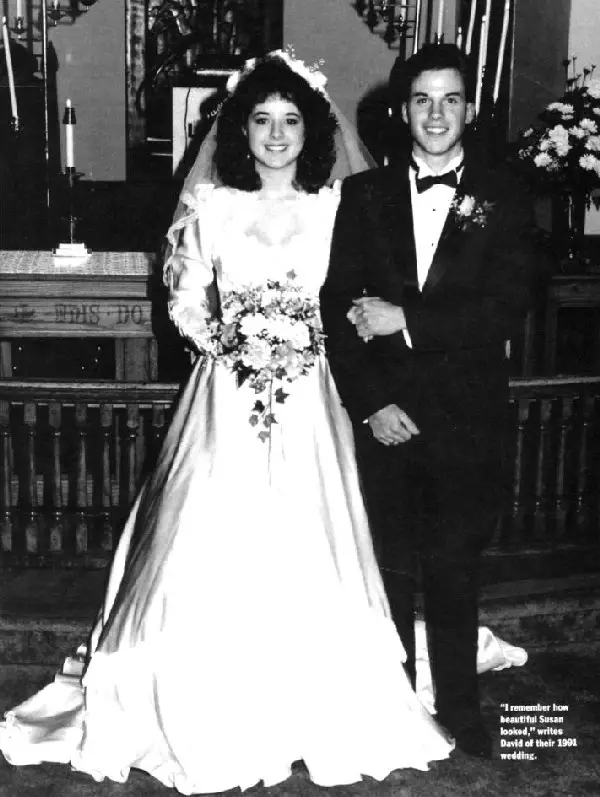
Smith’s prison record includes several disciplinary infractions over the last three decades. In 2000, she was disciplined for having sexual relations with two guards while incarcerated at the Women’s Correctional Institute. She faced additional punishments for marijuana possession in 2010 and 2015, followed by a 2024 violation for speaking with a documentary filmmaker and sharing contact information for individuals connected to her case.
The South Carolina Department of Corrections, which operates Leath Correctional Institution where Smith is held, was created in 1960 after the governor moved to end abuses in the previous system, including the use of convict labor on private property as political reward.
The new agency removed chains and stripes from inmate uniforms and established inmate education programs. From a population of 2,073 in 1960, the system grew to 16,149 inmates by 1990, the period when Smith entered custody.
David Smith is set to attend the upcoming hearing to again oppose her release. A grant of parole requires support from two-thirds of the board members taking part.
Keep reading

New Orleans Cuts Budget Deficit to $26M, Reduces Layoffs to 10-20 and Restores Shelter Funding
New Orleans trimmed its projected budget shortfall from $77 million to $26 million on Tuesday, a $51 million...

NOPD Officers Sue Tanker Owner Over Injuries in Mississippi River Cruise Ship Collision
"We ran toward the danger because that's the job," said Cedric Davillier, one of two NOPD officers who...
US Army to Detonate Aging Lead Azide in Iowa, Plume Expected Across Two States
The U.S. Army plans to detonate 68 barrels of aging lead azide on Friday at the Iowa Army...

University of Kentucky Marks 15 Years of National Rural Health Day With Pipeline Programs Retaining Physicians, Expanding Rural Access
Fifteen years into National Rural Health Day, Kentucky still measures its progress in miles between patients and providers....