The Supreme Court signals a shift in religious liberty and state funding
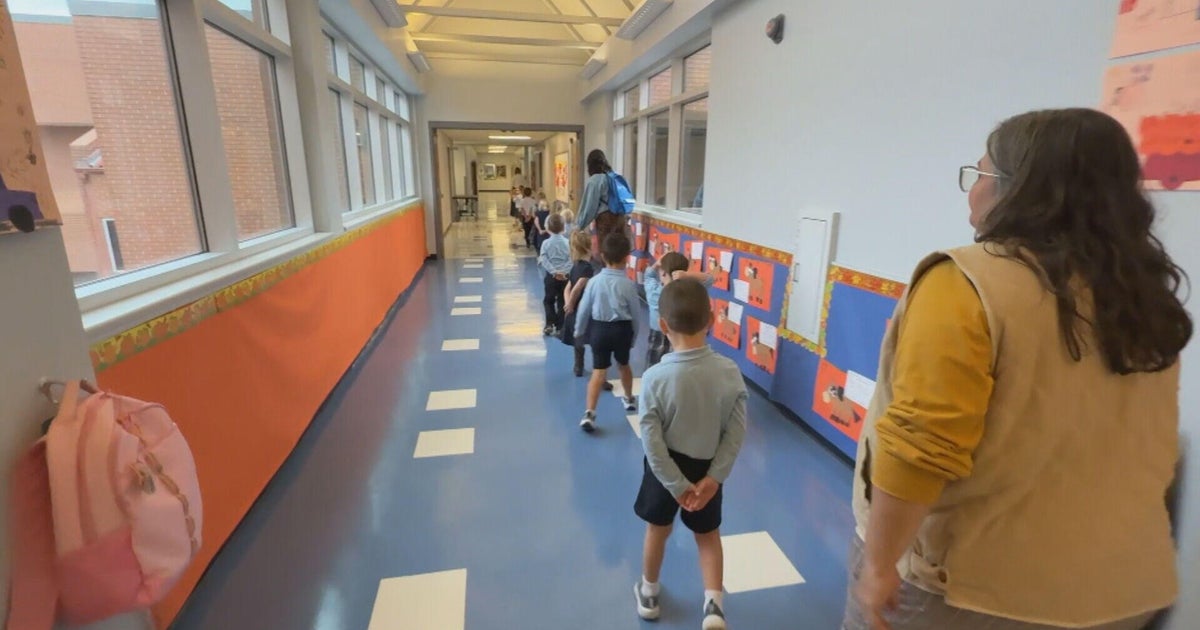
The Supreme Court appears poised to rule in favor of Catholic preschools in a high-stakes legal battle against Colorado, potentially expanding the ability of religious institutions to access state benefits without compromising their doctrines. During two hours of oral arguments on Tuesday, the court’s conservative majority expressed skepticism toward Colorado’s requirement that schools participating in a universal preschool program must adhere to specific nondiscrimination mandates regarding sexual orientation and gender identity.
The Trump administration joined the Archdiocese of Denver on Tuesday in urging the Supreme Court to overturn a ruling allowing a state-funded preschool program in Colorado to exclude Roman Catholic schools that don't comply with equal-opportunity… https://t.co/NLilWBE2hK
This dispute, St. Mary Catholic Parish v. Roy, strikes at the heart of a growing tension in American law: the conflict between a state’s power to enforce civil rights protections and the First Amendment rights of religious organizations. If the court rules for the Archdiocese of Denver, it would join a recent string of decisions where the 6-3 conservative majority has protected religious entities from being excluded from public benefit programs due to their faith-based practices.
The stakes are both financial and ideological. For the Catholic schools, the exclusion from the program threatens their ability to remain accessible to local families. According to reporting from Yahoo News, the Archdiocese has noted that enrollment at its preschools has “swiftly declined” without state subsidies, forcing parents to pay thousands of dollars out of pocket to maintain their children’s education in these institutions.
Colorado’s mandate meets constitutional scrutiny
The controversy stems from a 2023 universal preschool program, which was established following a 2020 ballot measure designed to make early education widely available and free for 4-year-olds. To receive state funding—which can amount to more than $6,000 per year per child—providers must sign a contract and meet state quality standards, including a nondiscrimination agreement. This agreement requires schools to provide an “equal opportunity” to enroll regardless of race, religion, sexual orientation, or gender identity.
The Archdiocese of Denver, which oversees 34 to 36 preschools, argued that these rules create an impossible choice. They contend that to participate, they would have to abandon their religious teachings on marriage and family. reports that the challengers argue the First Amendment requires a religious exemption to allow them to participate in the program while maintaining their religious standards.
The state’s defense, presented by Deputy Solicitor General Helen Norton, centers on the principle of uniform application. She argued that Colorado does not bar religious schools from teaching their beliefs, but simply requires them to comply with the same conditions as every other publicly funded provider. The state maintains that religious and secular schools alike must meet these nondiscrimination standards to receive taxpayer money.
The arguments from the bench
The oral arguments revealed a deep divide among the justices. Several conservative members of the court questioned whether the nondiscrimination rule serves as a “back-door” way to exclude religious groups. Justice Amy Coney Barrett asked whether the state was effectively imposing a condition that it knew religious schools would be unable to accept, suggesting the rule might “push out” those with traditional beliefs.
Justice Brett Kavanaugh raised the issue of scale, noting that while there are over 2,000 preschools in the program, only 34 are overseen by the Archdiocese. He suggested there are “plenty of opportunities” to respect both the rights of religious believers and the ability of LGBTQ parents to find appropriate school fits among the other providers.
The liberal justices, however, pushed back against the idea of a religious exception. reports that Justice Ketanji Brown Jackson characterized the request as a “special rule” that would allow schools to turn away families based on protected characteristics, arguing that such a preference for religious entities could undermine the ability of society to live together equitably.
Comparing the legal landscape
The court’s decision will likely hinge on how it applies precedents regarding religious exercise and public funding. The following table illustrates the core tension presented during the arguments:
| Perspective | Core Legal Argument | Primary Concern |
|---|---|---|
| The Archdiocese | The rule imposes a religious burden that prevents participation in public benefits. | Financial viability and religious autonomy. |
| The State of Colorado | Nondiscrimination rules are neutral and apply to all providers receiving public funds. | Ensuring equal access for all families to state-funded programs. |
A significant point of debate involved the 2022 case Carson v. Makin, which the court used to strike down a Maine law that excluded religious schools from tuition-assistance programs. While the challengers argue this precedent protects them, SCOTUSblog notes that Chief Justice John Roberts and other justices questioned whether the current case is truly a direct extension of that principle or if the Catholic schools are seeking a different kind of accommodation.
The outcome of this case will have immediate implications for how states manage “mixed-delivery” systems—models where public, private, and faith-based providers all receive state support. If the Court sides with the Archdiocese, it could trigger a wave of similar challenges across the country, potentially forcing states to rewrite their nondiscrimination requirements for any program that utilizes private, religious providers.
The legal battle, which began in 2023, has already moved through the lower courts, with both the district court and the 10th Circuit Court of Appeals rejecting the Archdiocese’s claims. The Supreme Court’s decision will finally resolve whether a state can condition public funding on the waiver of religious-based enrollment practices.
Keep reading

UH Hilo and DOE Probe Student Altercation at PacYES Conference
University and school officials implement new safety protocols after PacYES conference violence University of Hawaii at Hilo and...

Man Arrested for Murder After Woman Found Dead at Midtown Atlanta Hotel
Emmanuel Poindexter faces murder charges in Midtown Atlanta hotel death Police have arrested a man in connection with...

Election Day in Florida: UCF Students and Local Voters Head to the Polls
Voters in Central Florida face long lines and administrative hurdles on Election Day Early Tuesday morning reports from...
Three men indicted in Hartford drug trafficking ring, feds say
Federal prosecutors indict three men in Hartford drug trafficking investigation Three men face federal charges for allegedly operating...