
Tara Mitchell shares tribal history at TCALC
Students at the Topeka Center for Advanced Learning & Careers (TCALC) spent part of their Friday engaging with the history and traditions of the Prairie Band Potawatomi Nation. The session, led by Tara Mitchell, the deputy tribal historic preservation officer, was organized as part of Topeka Public Schools’ recognition of Native American Heritage Month.
WIBW reported that the visit aimed to bridge a gap in the standard curriculum. Mitchell focused on addressing misconceptions about Indigenous peoples by presenting a history that many students admitted they had not encountered in their formal classrooms. She noted that when she introduces more complex historical topics, she frequently encounters surprise from students who are learning this information for the first time.
The session served as more than just a lecture; it was an invitation for students to investigate their own backgrounds. Mitchell encouraged those with Indigenous heritage to bridge the distance between themselves and their families.
You know, when I get into some of the harder history that’s really difficult to talk about, I get a lot of like surprise looks. They never knew some of this history. A lot of them want to know more. Maybe they are native, but they don’t know much about their tribe. I want to try to encourage them to learn more and reach out to, you know, maybe their tribe, who they are, their parents, their grandparents, and, you know, get to know who they are.
The Seventh Generation philosophy
A central theme of the presentation was the concept of thinking seven generations ahead. Mitchell explained this as a commitment to ensuring that the world remains viable and prosperous for descendants as distant as one’s great-great-great-grandchildren. It is a framework for long-term stewardship that contrasts with immediate, short-term planning.
Mitchell emphasized that this history is not a relic of the past, but an active, ongoing experience. She argued that the current lack of tribal history in public schools contributes to the perpetuation of stereotypes. By bringing these voices into the classroom, the goal is to demonstrate that tribal nations are not just historical subjects, but contemporary communities with living traditions.
“It’s important because not a lot of people know about our tribe and not a lot of people know about tribal history,” Mitchell said. “It’s not taught in public schools. I think that we do need to start teaching tribal history in public schools to bring awareness to tribal nations’ history and that we’re still here. We’re not, you know, we’re not in the past. We’re still practicing our traditions and, you know, teaching our children.”
The event highlights a broader ongoing discussion regarding how state education systems integrate the history of sovereign tribal nations into core academic requirements. As Mitchell’s visit to TCALC demonstrates, the initiative to share this heritage is currently being led by tribal representatives working directly with local school districts to provide the context that standard textbooks often omit.
Keep reading

Frankfort faces Keyser in high-stakes conference football on Nov 6
The Frankfort Barracudas face the Keyser varsity football team in a high-stakes conference matchup on Friday, November 6,...

Nancy Kay Besel dies in Indianapolis after battle with brain cancer
A Life Defined by Devotion: Remembering Nancy Kay Besel The rhythm of a life is often measured not...
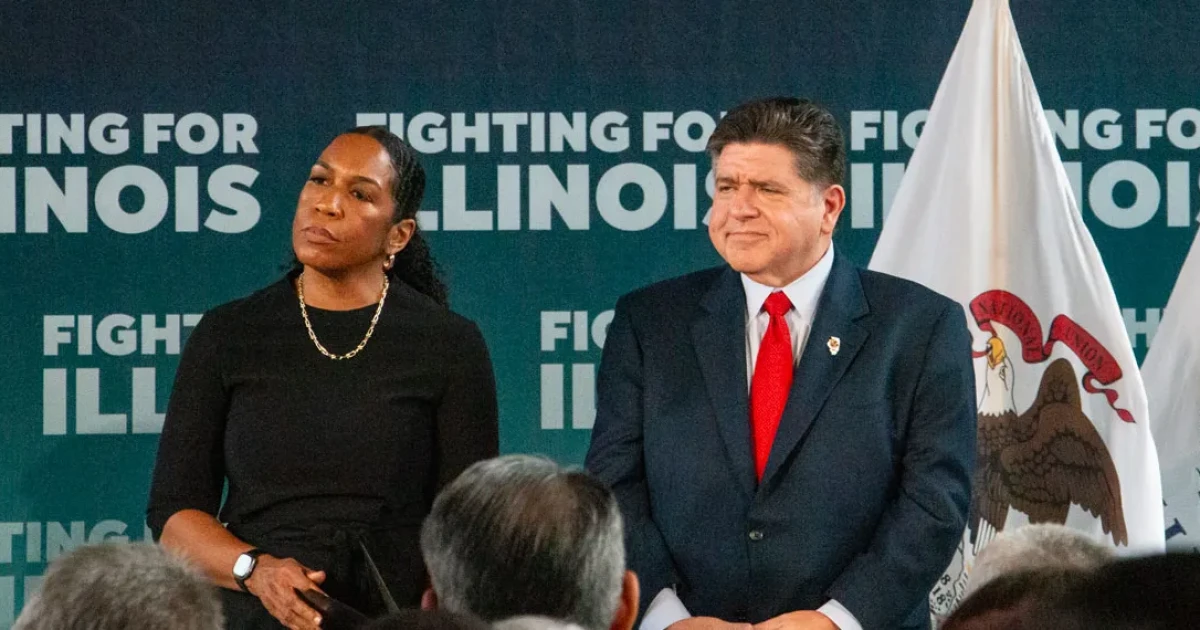
Gov. Pritzker appeals FEMA decision to deny Illinois disaster aid
Governor Pritzker Challenges FEMA Denial of Illinois Disaster Aid Governor JB Pritzker formally appealed the Trump administration’s refusal...

Boise State enters compete month with championship Aspirations
Boise State football coach Spencer Danielson has a specific name for the final stretch of the college football...