A New Chief Justice Challenges Texas’ Wedding Officiation Policy
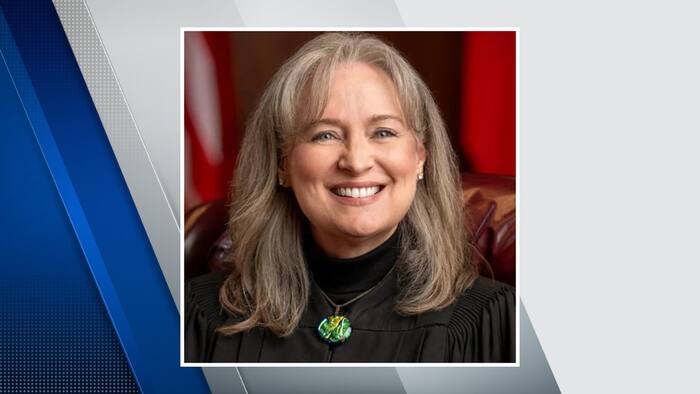
The balance of power on the Texas Supreme Court is shifting, and with it, the state’s approach to judicial religious exemptions. Maggie Ellis, the Democrat elected Tuesday as the next chief justice of the Texas Supreme Court, has signaled her intent to revisit a controversial policy that allows judges to decline performing wedding ceremonies—including same-sex marriages—based on sincerely held religious beliefs. As reported by KPRC Click2Houston, Ellis views the existing framework as an issue of equal access to justice, setting the stage for a potential clash with religious liberty advocates as she prepares to take office.
The current policy, adopted by the Texas Supreme Court in October 2025, added a specific comment to the Texas Code of Judicial Conduct, stating that it is not a violation of judicial canons for a judge to publicly refrain from performing a wedding ceremony due to religious convictions. This rule emerged from years of legal friction, most notably the case of McLennan County Justice of the Peace Dianne Hensley. In 2019, the State Commission on Judicial Conduct issued a public warning to Hensley for refusing to officiate same-sex weddings while continuing to perform opposite-sex ceremonies, a move the court eventually walked back through its 2025 and 2026 rulings.
The “All or None” Proposal
For Ellis, the issue is not about whether a judge must perform weddings at all, but about the selective application of that service. In comments reported by The Dallas Morning News and shared via Yahoo News, Ellis articulated a clear standard for her tenure: “One thing I’d like to do is work with the other justices to amend these orders to say either you perform all marriages, or none.”
This stance represents a direct challenge to the status quo. If successful, the policy would force judges who wish to retain their religious exemptions to cease performing all marriage ceremonies entirely, rather than picking and choosing based on the nature of the union. Ellis, who previously served on the Texas Third Court of Appeals, has described the current order as “back-door discrimination” and a departure from the court’s responsibility to ensure impartial service to all Texans.
Religious Liberty Advocates Prepare for Defense
The reaction from conservative legal organizations was swift. The Plano-based First Liberty Institute, which has long championed the rights of judges to act according to their conscience, condemned the incoming chief justice’s position on Friday. Kelly Shackelford, the organization’s president, CEO, and chief counsel, framed the move as an affront to fundamental rights.
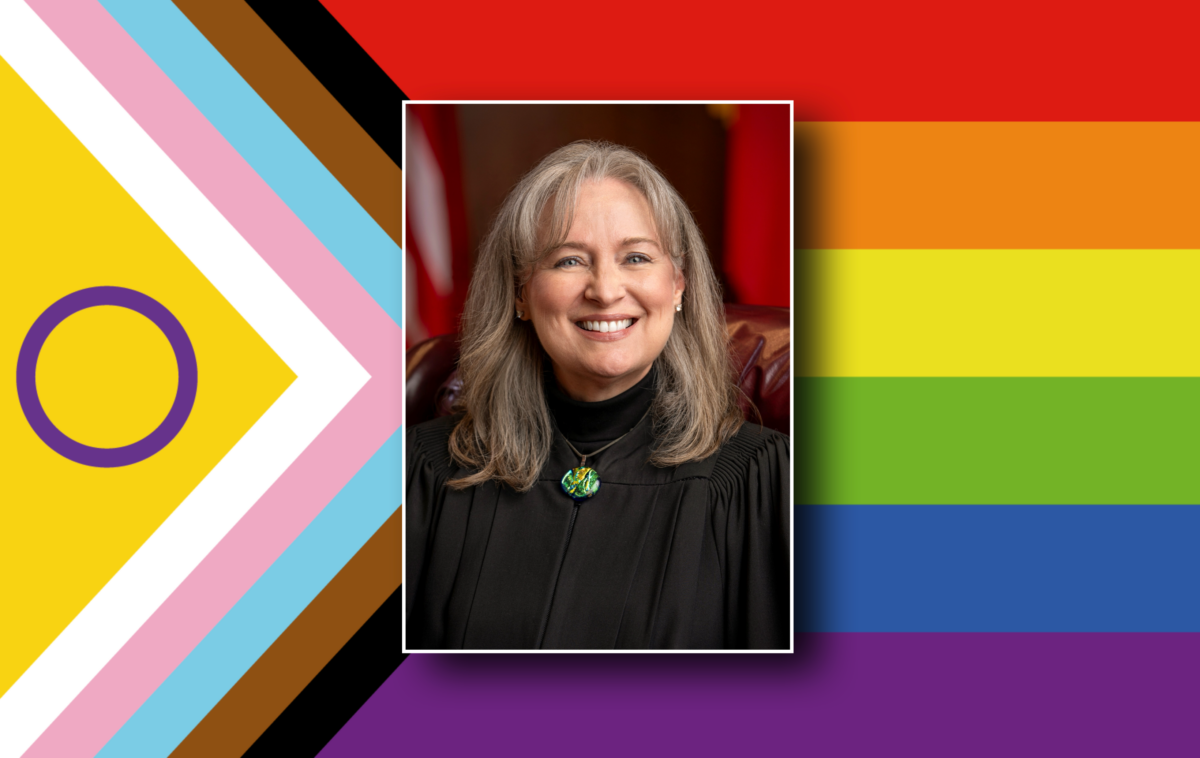
“It’s sad that an incoming Justice’s first public statement is one against religious freedom,” Shackelford said. “We’ve won in litigation on this very issue. Religious freedom and accommodation are fundamental rights rooted in the history and tradition of America. The new Chief Justice is off to a regrettable start.”
According to Texas Scorecard, First Liberty Institute stands ready to defend any judge who might be affected by a policy reversal. The organization maintains that forcing a judge to choose between their religious convictions and their role as an officiant creates an untenable conflict of conscience.
The Math of the High Court
While Ellis’s victory and the election of other Democratic candidates have narrowed the Republican majority on the nine-member court to a 5-4 split, the path to changing the Code of Judicial Conduct is not straightforward. Ellis cannot unilaterally strike down the existing protections; she will need to secure the support of at least one Republican justice to achieve a majority vote for an amendment. Justice Debra Lehrmann is widely viewed by court observers as a potential swing vote in this and other upcoming civil matters.

Beyond the wedding controversy, Ellis has indicated that her broader agenda includes tackling the state’s indigent defense funding crisis. She noted that rural counties are struggling to provide constitutional representation to defendants who cannot afford an attorney, a priority she began discussing with practitioners immediately following her win. As she prepares to chair the 16-member Texas Judicial Council, which provides policy recommendations to the Legislature, the question remains whether her focus on judicial accessibility will find common ground with a court defined by its long-standing conservative majority.
For now, the policy protecting religious refusals remains in full effect. While the legal right to same-sex marriage remains settled under the 2015 U.S. Supreme Court decision in Obergefell v. Hodges, the practical reality of how that right is administered in Texas courtrooms will be a defining test of the court’s new composition when it convenes in January.
- Southern Company Reports Record $2 Billion Third Quarter Profit
- Outback Steakhouse Franchisee Files for Chapter 11 Bankruptcy Amid Rising Costs
- Stephen Miller Named Trump’s New Chief of Staff After Midterm Loss (newsarchyuk.com)
- Hinojosa Can Pause Texas Data Center Permits, but Not Repeal the Tax Break (daybreakwire.com)

Southern Company Reports Record $2 Billion Third Quarter Profit
Southern Company Profits Surge to $2 Billion as Customers Monitor Utility Costs As Alabama Power customers keep a...

Outback Steakhouse Franchisee Files for Chapter 11 Bankruptcy Amid Rising Costs
The casual dining sector is facing a sharp reality check as Cerca Trova Restaurant Group, the operator of...

Three Wyoming Meat Processors Award Nearly $1 Million in Federal Grants to Expand Operations
Federal Grants Target Wyoming’s Meat Processing Bottlenecks Three independent meat processors in Wyoming are set to receive a...
West Virginia vs. Stetson: Preview, Game Info, and Betting Odds
The West Virginia Mountaineers return to the floor at Hope Coliseum this evening, looking to build on their...