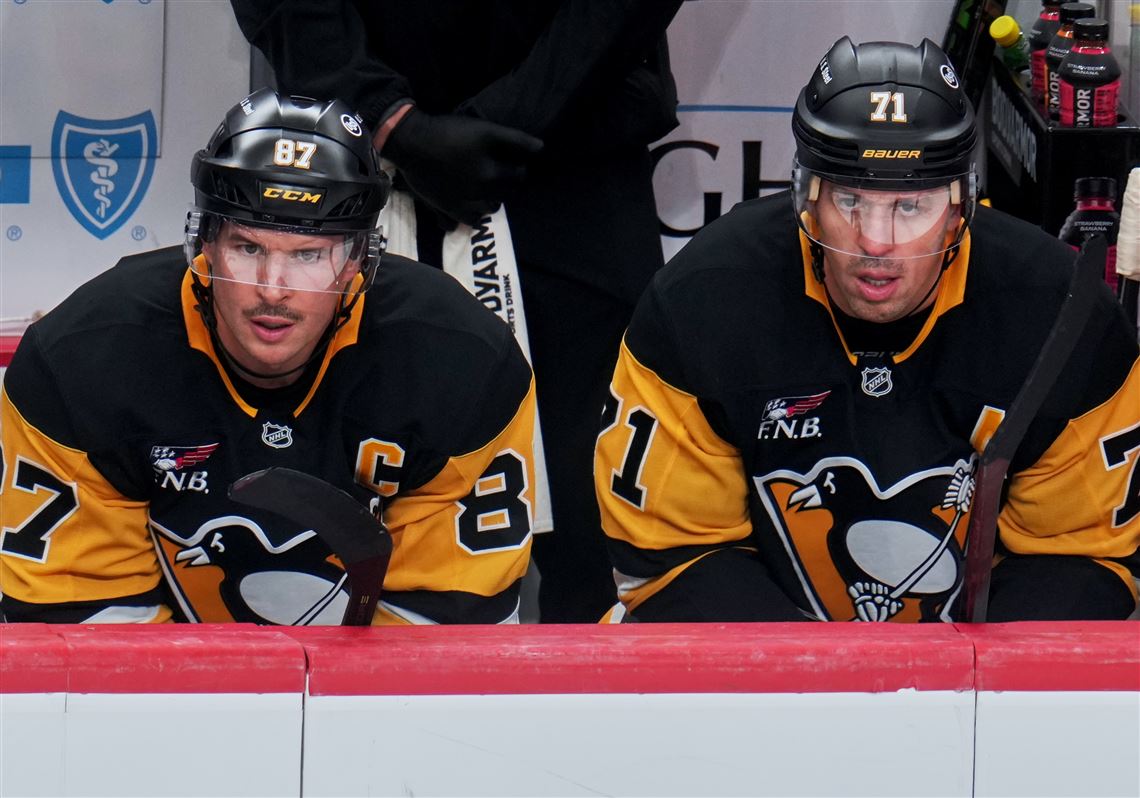
Penguins Bottom Out as Consistency Issues Plague Aging Roster
The Pittsburgh Penguins are staring down a bleak reality following a 6-2 loss to the Boston Bruins on Thursday night, a result that dropped the club to 5-9-2 and into a tie for last place in the Eastern Conference. According to the Pittsburgh Post-Gazette, the defeat marked the team’s fourth loss, leaving the franchise grasping for answers less than 20% of the way through the 2026-27 season.
The locker room atmosphere has turned sullen as players confront systemic failures that have plagued the team since opening night. “Consistency is not there at all, and it’s not one game we’re talking about,” Kris Letang said, as reported by the Pittsburgh Post-Gazette. “We’re on for 20 [minutes], we’re off for 20. And you cannot win games consistently in this league if you’re doing that.”
Defensive Lapses and Structural Fragility
The loss to Boston highlighted recurring issues with defensive positioning and puck management. Coach Dan Muse pointed toward preventable errors, including a turnover by Erik Karlsson and a botched line change that led to a breakaway goal for Morgan Geekie, as evidence of a team lacking fundamental structure. Per NHL.com, the Bruins capitalized on these mistakes throughout the contest, with Pavel Zacha, Mark Kastellic, and Elias Lindholm contributing to a three-goal surge that put the game out of reach.

“When you’re struggling, you just gotta simplify it. Whether it’s little things, habits, winning wall battles. You’re not going to fix everything overnight,” Sidney Crosby said. “When it comes to the details of the game, they just haven’t been there consistently, and we’re playing catch-up because of it.”
Beyond the lack of execution, the Penguins’ roster construction is under increased scrutiny. The team ranks last in the league in hits and is widely characterized as one of the smallest squads in the NHL, yet they lack the elite speed required to compensate for their lack of physical presence. This combination has left them vulnerable to transition attacks, a trend that was on full display as Boston exploited the Penguins’ defensive gaps throughout the Thursday night matchup.
Front-Office Crossroads and the Prospect Pipeline
As the team prepares for a three-game road trip through California, the conversation around the franchise has shifted toward the long-term viability of the current core. WCN247.com noted that while the team has been hampered by injuries to key contributors like Bryan Rust and Evgeni Malkin, the reliance on an aging roster has left the organization at a crossroads. New ownership has expressed a desire to get younger, but the Penguins have yet to fully commit to a transition, often keeping prospects in Wilkes-Barre/Scranton rather than integrating them into the NHL lineup.

The potential for roster movement is already surfacing in league circles. According to Yardbarker, citing Darren Dreger of TSN, 40-year-old Evgeni Malkin must submit a three-team trade list in January, with the Minnesota Wild identified as a potential suitor. While Malkin remains a productive power-play specialist, his availability highlights the pressure on General Manager Kyle Dubas to decide between bolstering the roster for a final push or pivoting toward a rebuild.
For now, the Penguins must manage a schedule that features increasingly difficult opponents. The team’s inability to maintain pressure, combined with a defense that frequently surrenders high-danger chances, suggests that the current trajectory is unsustainable. Whether the front office chooses to promote younger players like Rutger McGroarty or Avery Hayes to inject energy, or opts to move veteran assets, the status quo has proven insufficient to keep pace in a competitive Eastern Conference.
The Penguins’ season to date has been defined by extreme variance, from a 7-0 victory over Philadelphia to a winless four-game western road trip. With the team tied for the cellar of the conference, the margin for error has vanished, leaving the organization with few options beyond a significant recalibration of both their on-ice habits and their long-term personnel strategy.
Disclaimer: The analytical insights and data provided in this article are for informational and entertainment purposes only and do not constitute medical advice or sports betting recommendations.
Keep reading
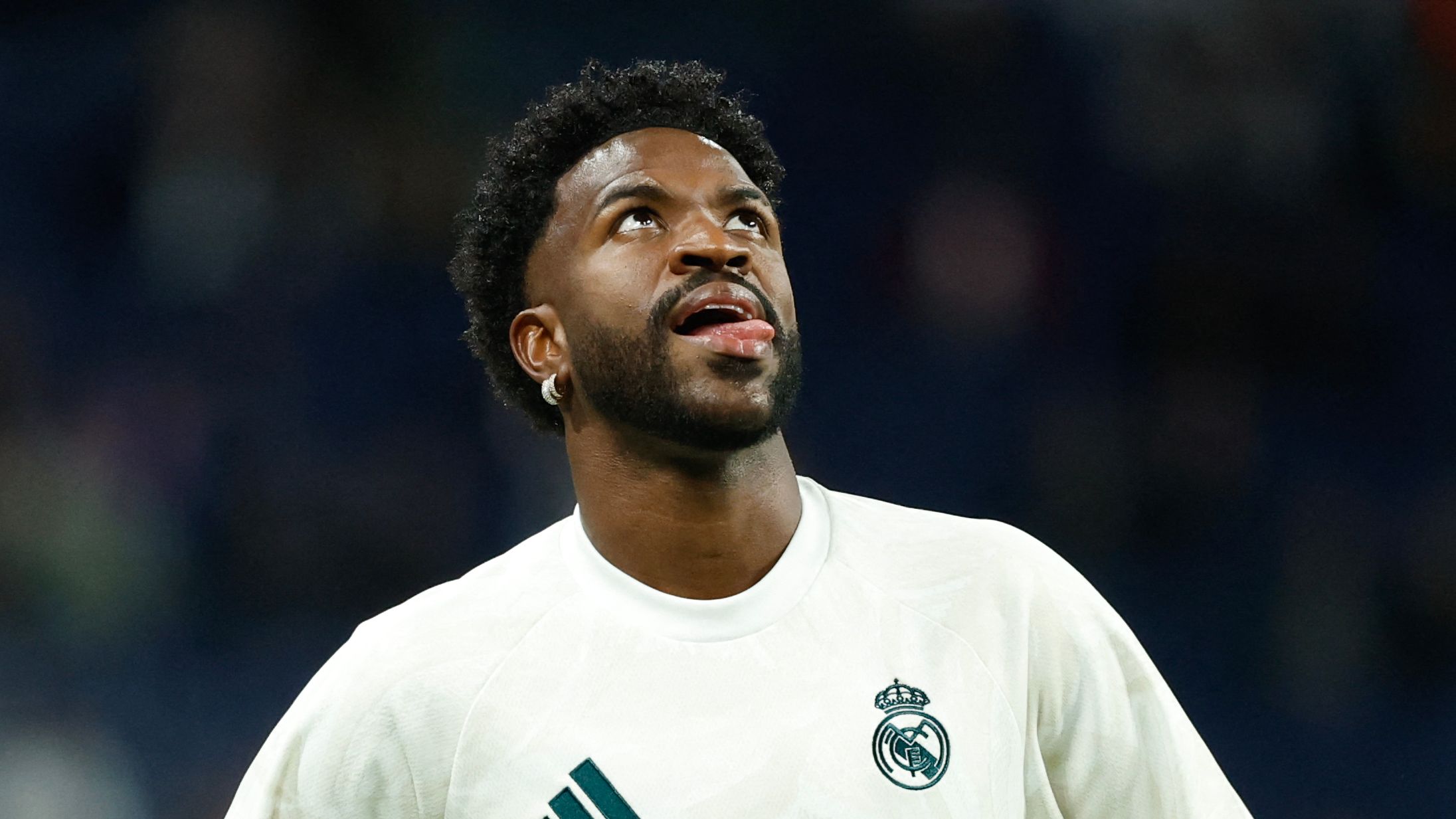
Mourinho Prioritizes Real Madrid Interests Over Vinicius Junior
Real Madrid head coach José Mourinho has publicly declared that the club’s collective interests supersede the individual needs...
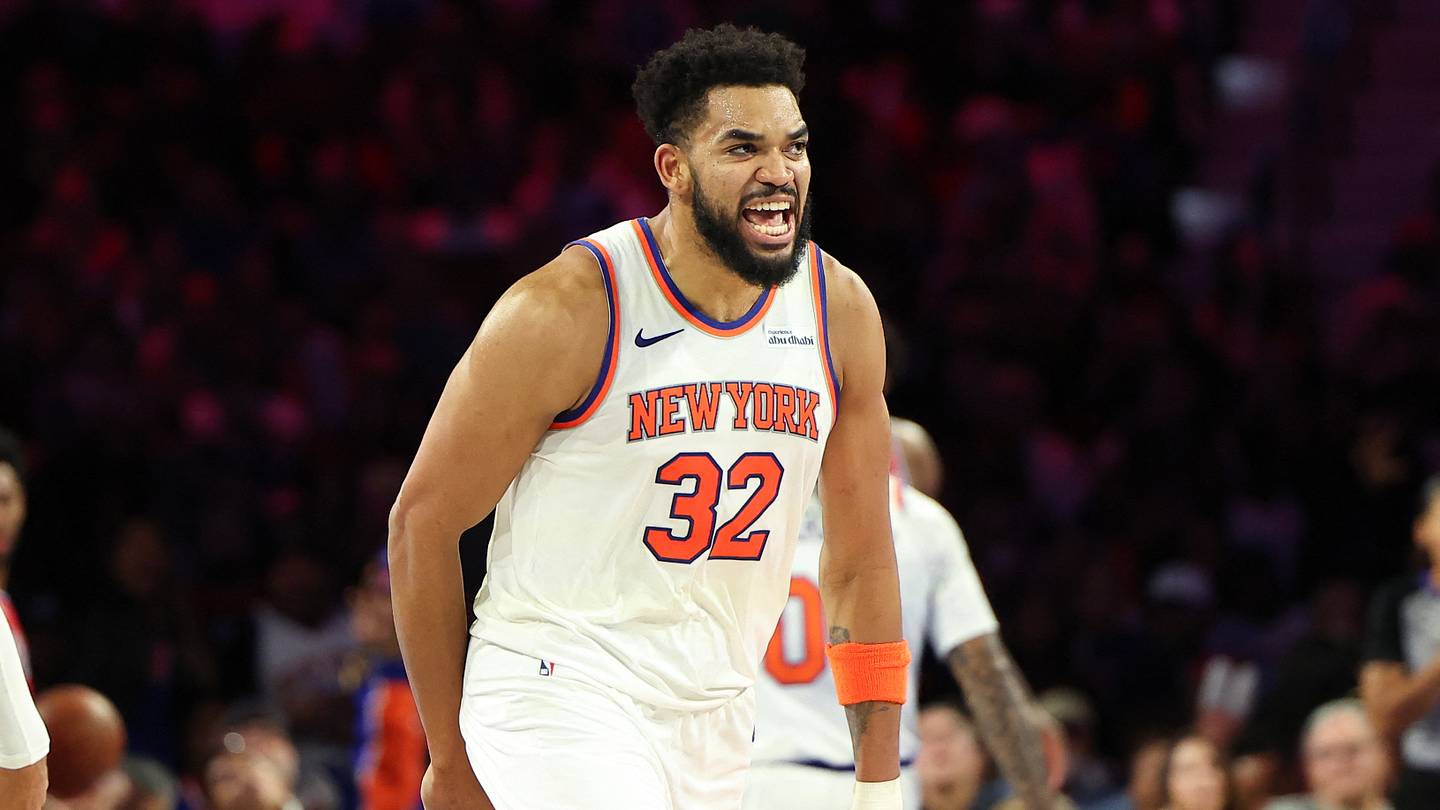
Clippers’ decline opens trade door for Knicks to target big men
Clippers’ Early-Season Stumble Opens Trade Door for Knicks The Los Angeles Clippers, currently languishing at 1-7 through their...

Stanford Researchers Find Brain Patterns That Predict Alzheimer’s
Stanford Medicine researchers have identified brain activity patterns that can predict Alzheimer’s disease years before memory loss or...

Pet budgie Luna found in drain a mile from home After Storm escape
Luna the Budgie's Dramatic Escape and Rescue In a bizarre incident, a pet budgie named Luna escaped from...