Texas public colleges show steady academic performance under state diversity office bans, but the state review examining student outcomes leaves central questions unanswered.
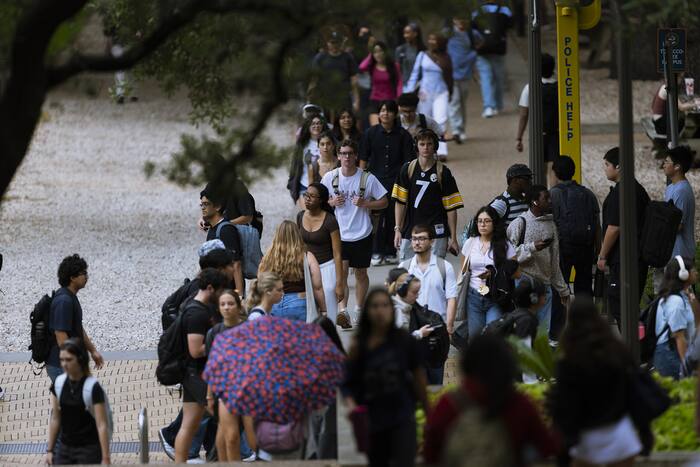
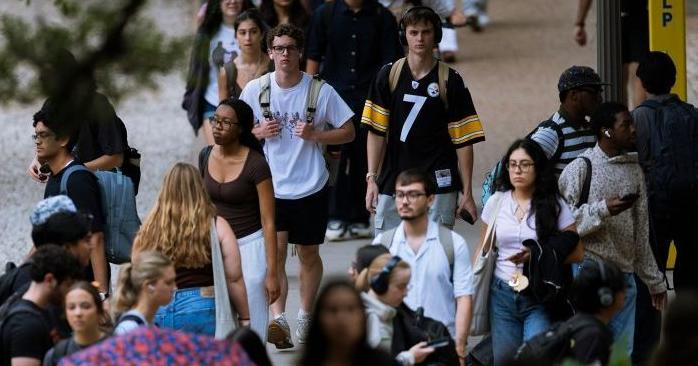
When Izabella De la Garza moved from San Antonio to attend the University of Texas at Austin, she faced a profound culture shock. Although she excelled academically, finding a community proved difficult after growing up in a predominantly Hispanic neighborhood. Using the campus Multicultural Engagement Center, she built friendships, met advisers, and organized events for Latino students, The Texas Tribune reported.
Months after De la Garza graduated in 2023, university leaders shuttered the center to comply with Senate Bill 17, a state law banning diversity, equity, and inclusion offices at public universities. Similar closures followed across Texas, affecting resource centers and graduation celebrations for students of color and LGBTQ+ students.

A new state review approved by the Texas Higher Education Coordinating Board on November 16 found that student retention and first-year academic performance held steady or improved. For Hispanic students, that figure climbed from 77% to 81%, KEDT reported.
Yet state officials cautioned that the study cannot determine whether the ban caused these trends. Furthermore, public universities are accepting smaller shares of applicants across demographic groups, and admitted students are less likely to enroll. In 2023, 53% of admitted Black students and 50% of admitted Hispanic students enrolled, but by 2025 those figures dropped to 45% and 44%, respectively, TDTNews reported.
Bledsoe wrote that this study cannot be viewed in a vacuum.
State leaders defended the policy framework while academic outcomes were being evaluated under the new mandates.
| Student Demographic | 2-Year GPA Above 2.0 (2023) | 2-Year GPA Above 2.0 (2025) | Enrolled Admitted Share (2023) | Enrolled Admitted Share (2025) |
|---|---|---|---|---|
| Black Students | 71% | 79% | 53% | 45% |
| Hispanic Students | 77% | 81% | 50% | 44% |
Critics argue the state analysis lacks necessary context. Deborah Santiago, chief executive officer of Excelencia in Education, criticized the review for relying on percentages without providing underlying student counts, KSAT reported. Santiago pointed instead to a separate 2023 law funding community college completions and transfers as a potential driver of academic gains.
As an agency of the state government, the Texas Higher Education Coordinating Board oversees all public post-secondary education in the state, including determining which Texas public four-year universities are permitted to start or continue degree programs. While individual university boards of regents maintain responsibility for campus operations, the coordinating board’s approval of the state review provides official evaluation of academic outcomes under new legislative mandates.
Lawmakers mandated the coordinating board study when passing the ban, but that requirement expires in September 2029, before students entering in fall 2024 reach their six-year graduation benchmark. Meanwhile, upcoming legislative sessions feature filed bills seeking to repeal the ban following recent election shifts.
Related reading

Maryland Midterm Turnout Hits Record 53.2% as Officials Call Election ‘Smooth and Boring’
Maryland voters set a midterm turnout record on Nov. 3, with 53.2% of eligible voters casting ballots —...

Alabama Athletics Box Score Lists Mingo Brothers, Decker Jr. for Baylor in Players Era Festival
Nov 25, 2027, 02:49 am - AP Kayden Mingo led the Bears with 19 points, seven rebounds and...

Sandwich Generation Caregivers Get Scam Prevention Tips for Aging Parents During Chase Fraud Prevention Month
One in four U.S. adults now belongs to the "sandwich generation" caring for children and aging parents simultaneously,...

Emily Clark Argues Living Plants Console Better Than Cut Flowers After Child’s Death
In a personal essay for the Diocese of Bridgeport, Emily Clark writes that living plants offer a more...