
Texas Democrats campaigned on affordability in the Nov. 3 midterms, then flipped the governor’s mansion and the state House.
By Nov. 9, when pre-filing opened, they had filed roughly 35 gun-control bills that mirror California restrictions — an agenda that never appeared in their platform.
Gov.-elect Gina Hinojosa unseated Greg Abbott, and James Talarico defeated Ken Paxton in the U.S. Senate race. Democrats also won the lieutenant governor’s office, attorney general’s office, and other statewide positions. Republicans kept a 19-12 Senate majority, denying a trifecta. The Senate is where most of these bills will live or die.
“They’re all a step too far and the bottom line is they’re all a step towards total control.”
said CJ Grisham, lead attorney for Texas Gun Rights, to FOX 7 Austin. He singled out the private-transfer background-check bill and the red-flag measure as the group’s top concerns.
The National Shooting Sports Foundation, the firearm industry trade association, catalogued the pre-filed package in a briefing that reads like a California legislative tracker.
Senate Bill 80 from Sen. Judith Zaffirini (D-Laredo) would make it a Class A misdemeanor for adults under 21 to purchase or possess “assault weapons” — a feature-based definition that sweeps in modern sporting rifles, some semiautomatic pistols and shotguns, and conversion parts. A grandfather clause covers firearms lawfully held before Sept. 1, 2027.
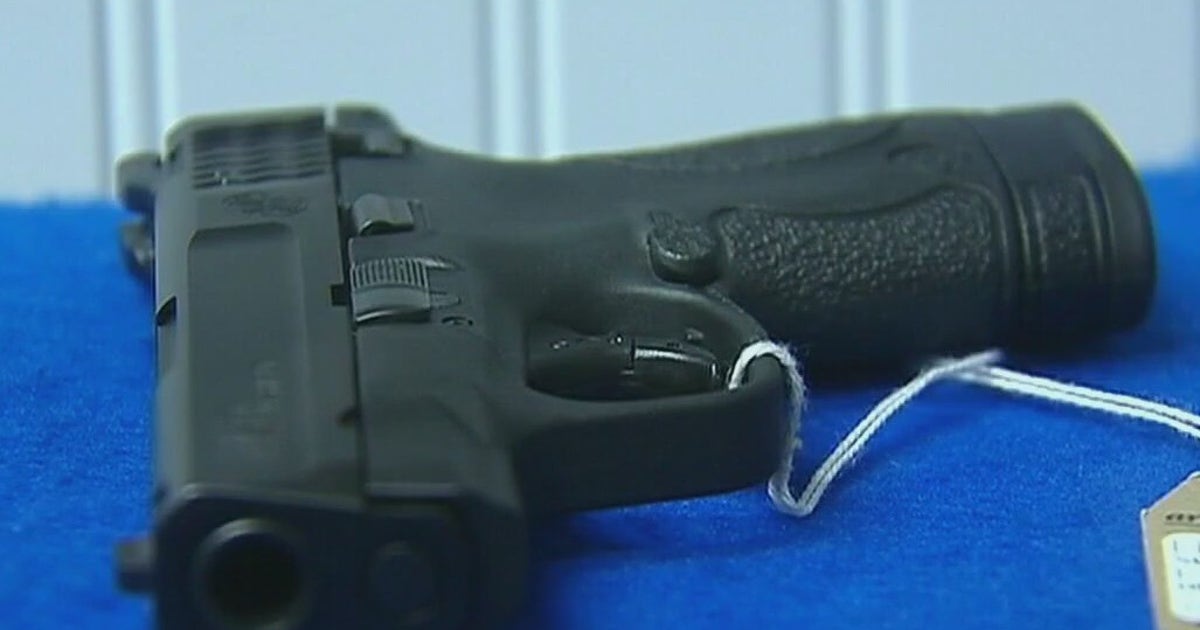
House Bill 606 from Rep. Suleman Lalani (D-Sugar Land) goes further: a Class A misdemeanor for anyone under 21 to possess any firearm, period. That directly collides with the Fifth Circuit’s January 2025 ruling in Reese v. ATF, which struck down the federal ban on licensed-dealer handgun sales to 18-to-20-year-olds under the Supreme Court’s Bruen history-and-tradition test. A broader possession ban invites immediate challenge in the same circuit.
HB 613, also from Lalani, would route nearly all private transfers through a federally licensed dealer for a NICS check, with no explicit family-gift exception. Retailers could charge a fee. The structure mimics California’s dealer-mediated transfer system and adds compliance burdens on transactions where no prohibited person is involved.
HB 218 from Rep. Ann Johnson (D-Houston) would allow a judge to issue an ex parte extreme-risk protective order — no notice, no hearing — requiring surrender within 24 hours. A post-seizure hearing could wait up to 14 days, with a higher evidentiary standard for a one-year order. The bill also repeals Chapter 7C of the Code of Criminal Procedure, the 2025 Anti-Red Flag Act that blocked this very process.
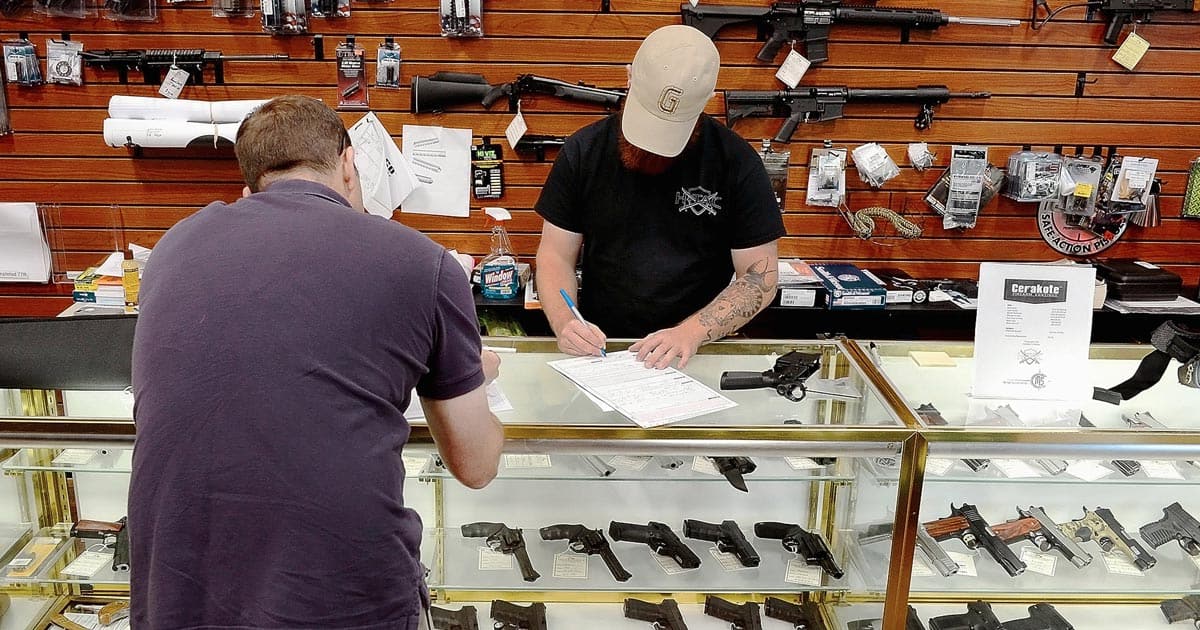
Supporters argue emergency orders prevent violence; critics call the pre-hearing deprivation constitutionally inadequate. The U.S. Supreme Court hears Viramontes v. Cook County on Dec. 2, a consolidated challenge to feature-based semiautomatic rifle bans. NSSF filed an amicus brief arguing the targeted firearms are widely possessed for lawful purposes and protected. That case addresses broader bans, not SB 80 specifically, but it signals the constitutional crosswinds these bills will face.
Snopes counted 25 firearm-related measures by mid-November; advocacy groups and outlets put the total between 20 and 35. Other filings would regulate 3D-printed guns, expand dealer reporting, and allow firearm restrictions inside public libraries. The 90th Legislature convenes Jan. 12, 2027. None of these proposals is law. Each must clear a Republican Senate before reaching Hinojosa’s desk.
Texas, the second-largest state by area and population with over 31.7 million residents in 2025, became the 28th state in 1845 after a decade as the independent Republic of Texas.
Its “Lone Star State” nickname dates to the 1836 flag adopted during the war for independence from Mexico, a symbol of distinct identity that still shapes its political culture. The state capital, Austin, sits in a diverse economy that has led the nation in export revenue since 2002.
Texas has not become California. Its pre-filed bills now present familiar fights over common firearms, young adults’ Second Amendment rights, private transactions, due process, and digital speech. What happens in Austin will determine whether the resemblance remains a legislative agenda or becomes enforceable Texas law.
Related reading

EIU Panthers at No. 10 Illinois: 23.5-Point Underdogs, 9 p.m. ET on Big Ten Network
The Eastern Illinois Panthers walk into State Farm Center on Friday night as 23.5-point underdogs against a No....

Universal Orlando Passholder Garage Sale Returns Friday With 40-60% Off, Runs Through Monday
Universal Orlando Resort opens its annual passholder garage sale Friday at 6 a.m. with 40-60% off discounts. Universal...

Missouri Schools See Drop in Federal Funding for Refugee Students
Missouri schools will serve 2,730 refugee students with federal dollars this year, down from more than 4,500 across...

Massachusetts Launches Business Builds: SHIELD Program With Capital Grants for Defense Sector
"Massachusetts has the talent and innovation ecosystem to lead in support of critical national security priorities," said Economic...