Montgomery County Marks First Hit in Texas’s Rapid DNA Push
Just eight days after the Texas Department of Public Safety launched the second phase of its Rapid DNA testing program, a hit recorded in Montgomery County has immediately proven the technology’s potential. The system, which allows for the rapid comparison of DNA from arrestees to crime scene evidence, generated an investigative lead for a 2024 felony theft case on October 23, connecting a person booked in the county jail to unsolved work, the Houston Chronicle reported.
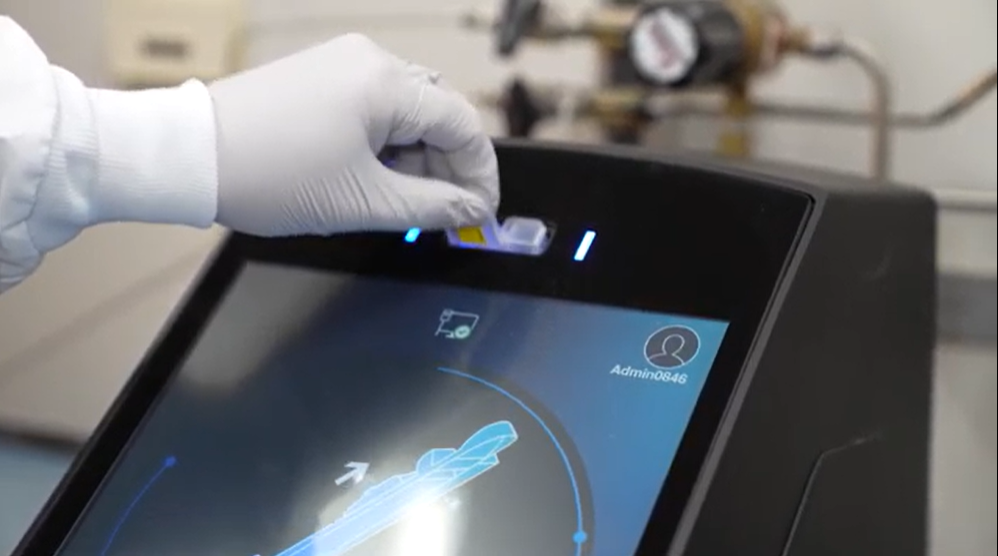
This first case is an ongoing investigation, and no further details were released. The technology allows investigators to compare DNA samples from people booked into county jails with evidence from crime scenes in near real time. Once a sample is inserted into the DNA testing instrument, the process is fully automated, requiring no human intervention until a potential match is identified.
A New Era of Criminal Investigation
The program’s second phase began on October 15, following more than a year of training and preparation. Law enforcement agencies in Montgomery and Williamson counties started submitting DNA samples obtained from individuals facing felony charges to the national Combined DNA Index System, known as CODIS. For Texas, the DPS administers CODIS and functions as the main repository for all DNA data in the state.

Currently, the process involves booking facilities collecting DNA samples from arrestees and sending them via the U.S. Postal Service to the state CODIS lab at DPS headquarters in Austin for processing. While this method is effective, the Rapid DNA program aims to dramatically compress the timeline, turning what could be a weeks-long wait into a matter of hours.
The legal foundation for this pilot is Senate Bill 1723, which was signed into law by Governor Greg Abbott on June 20, 2025. The legislation established a two-year pilot program to explore using Rapid DNA technology at booking facilities across Texas. To support this initiative, the state appropriated $5 million, a substantial investment aimed at determining the program’s effectiveness and scalability.
New tech holding repeat offenders accountable. 🧬 Days after launching phase II of the state’s Rapid DNA Testing Program, DPS’ Crime Laboratory Division announces a positive Combined DNA Index System (CODIS) “hit” in Montgomery Co. The Montgomery Co. Sheriff’s Office recorded an… pic.twitter.com/Bqtrf2apz4
The Human and Economic Stakes
Opponents argue that the collection of DNA from individuals who have only been arrested, not yet convicted, raises substantial privacy concerns. They contend that it creates a de facto database of individuals presumed innocent, blurring the line between due process and state surveillance. The debate centers on whether the potential public safety benefits outweigh the infringement on civil liberties.
The outcome of this pilot program, which runs until August 2027, will be crucial in shaping this policy debate. At the end of the pilot, DPS will submit its findings to the Texas Legislature no later than January 1, 2028. The report will be used to inform decisions about future funding and a potential statewide expansion of the program.
Related reading

The Emergent List: 29 Seed-Stage AI Startups to Watch
Identifying the most interesting early-stage startups is as much an art as it is a science, demanding an...

Milwaukee’s 40-foot tree cut, moved to Deer District
Milwaukee's official 40-foot Christmas tree, a Colorado blue spruce, has been harvested from a northwest side neighborhood and...

Cheyenne Veterans Day Schedule: City Office Closures and Trash Pickup Changes
The City of Cheyenne has announced its holiday schedule for Veterans Day on Wednesday, Nov. 11, 2026. City...

Treasury Designates 52 West Virginia Areas as New Opportunity Zones
Federal officials have identified 52 areas in dozens of West Virginia counties as “opportunity zones” for increased private...