New York City offers a staggering concentration of world-class culture, from the halls of the Metropolitan Museum of Art to the historic landscape architecture of Central Park.
Yet, a growing segment of the tourism industry is banking on the idea that visitors would rather pay premium prices for hollow, reproducible experiences than engage with the city’s actual history or artistic depth. As noted in a recent assessment by Yahoo Travel, these so-called “chain attractions” are often nothing more than overpriced, soulless venues that could exist in any mall from Plano to Seattle.
The economic stakes for the average traveler are high. Many of these venues command admission fees between $40 and $65 per adult, excluding the inevitable upsells for “VIP access” or professional photo packages. For a family of four, an afternoon at one of these pop-culture-themed sites can easily eclipse the cost of a full day spent exploring the city’s legitimate, non-profit museums or historic landmarks.
The core issue, according to the author of the long-running Frommer’s guidebook to New York City, is that these attractions prioritize “being seen” over genuine engagement.
“It breaks my heart to watch visitors to the city waste their money on what I’ll call ‘chain attractions’: entertainment venues that exist in other cities, and supply a candy-colored, but ultimately soulless, view of whatever subject they’re devoted to,” the author said in the Yahoo Travel report.
The Rise of the “Instagrammable” Trap
This trend is exemplified by venues like the Color Factory, which charges up to $39 for an experience that often lasts less than half an hour. Much of the “content” here is designed specifically for social media, with QR codes and embedded cameras guiding visitors through a series of light-based exhibits. The experience is so thin that one might find more substance at a local hardware store’s paint aisle.

Similarly, the Museum of Ice Cream and the Sloomoo Institute operate on a similar “modus operandi”: take a traditionally child-friendly concept, apply a heavy coat of pink paint, and fill the space with arcade games and ball pits.
While these venues are undeniably popular on social media, they offer little in terms of lasting educational or cultural value. Parents are often left with a hefty bill and the realization that their children have simply spent an hour in a glorified indoor playground.
Technological Distortions and Virtual Reality
The push for high-tech immersion has also led to the creation of exhibits like XploreRide NYC. This attraction forces visitors onto a bus equipped with virtual reality headsets that display bizarre, unrelated imagery—such as giant crocodiles in the subway or a repetitive, impossible version of the New York skyline.
The disconnect is profound: visitors are physically located in the heart of Times Square but are entirely insulated from the city they traveled to see.

Digital art spaces like Arte Museum and Mercer Labs further illustrate the struggle between spectacle and substance.
The Cost of Fandom
Perhaps the most jarring example of this “anywhere-USA” phenomenon is The Friends Experience. Despite the sitcom’s cultural association with New York, the show was filmed entirely in California. Consequently, the “Experience” is a traveling pop-up that has appeared in cities across the globe, from Manila to King of Prussia. Visitors pay up to $65 to pose on reconstructed sets, effectively treating a television soundstage as a destination landmark.
For travelers looking to make the most of their limited time in the city, the advice remains consistent: prioritize the institutions that define New York’s identity rather than those that seek to commodify it.
The city’s true value lies in its authentic history and its unparalleled, non-profit cultural institutions. When visitors choose the latter, they aren’t just saving money; they are engaging with the actual, complex, and storied fabric of the city itself.
Keep reading

Scaling AI Deployment Across Ohio: The 3rd Annual Ohio AI Summit
Artificial intelligence leaders from across the state will meet at Columbus State Community College this Wednesday, November 18,...

Mauricio Pochettino Blocks Lisandro Martinez Transfer to Barcelona
Lisandro Martinez faces an unexpected lifeline at Old Trafford after Manchester United appointed Mauricio Pochettino as manager, according...
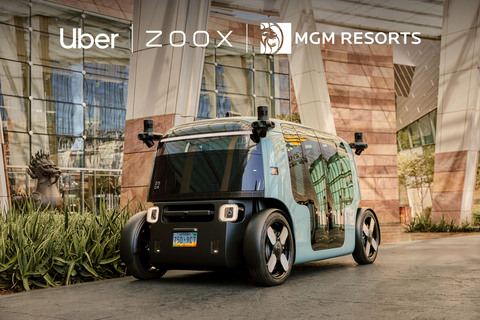
Zoox Is Now Available on Uber in Las Vegas
Uber began matching riders with Zoox robotaxis in Las Vegas on Monday, the first time the Amazon unit...

Carson Schaake Overcomes Late Bad Break to Win Assistant PGA PPC
Just forty minutes after suffering through one of the most brutal misfortunes in the sport, Carson Schaake found...