South Korea’s political and historical divisions have intensified following the September 23 release of the political thriller film The Assassin(s), which dramatises the 1974 assassination attempt on then-President Park Chung-hee. The movie has sparked fierce debates, safety concerns, and parliamentary clashes over historical distortion and freedom of expression.
During the real-world attack, gunman Mun Se-gwang missed the president but fatally shot First Lady Yuk Young-soo instead; the movie names the gunman Mun Tae-gwang. Since its release in South Korea on September 23, the film has generated a heated political and historical debate regarding creative liberties and historical distortion.
Political Divisions and Family Backlash in South Korea
–>
The controversy surrounding The Assassin(s) highlights a deep political divide between South Korea’s conservative and liberal camps. Conservative lawmakers from the People Power Party and civic groups defending the late president view the film as political propaganda that distorts history. In contrast, the ruling Democratic Party and the local film industry argue that artistic freedom must be respected, maintaining that a movie is just a movie.
At the emotional core of the issue is the reopening of a national wound regarding the death of First Lady Yuk Young-soo, whose public image as compassionate and dignified has endured over the decades. Her husband, Park Chung-hee, was assassinated five years later in 1979. Park and Yuk’s three children have all strongly criticized the movie. Former president Park Geun-hye, aged 71, stated through an aide that she has no intention of paying money to watch a commercialistic film that divides and misleads society.
I do not wish to pay money to watch a commercialistic film that divides and misleads our society through historical distortion of the truth.
Park Geun-hye, former president
International Film Festival Stance and On-the-Ground Backlash
–>
The backlash has spilled over internationally, with South Korean lawmakers urging the Singapore International Film Festival (SGIFF) to drop the movie as its opening film. Despite these appeals, SGIFF decided to proceed, stating on October 7 that it respects the creative vision of the filmmakers while acknowledging ongoing discussions. The festival runs from October 21 to November 1.
Domestically, the maelstrom has triggered calls to pull the film from cinemas, cancellations of cast promotional appearances due to safety concerns, and heated exchanges in South Korea’s National Assembly. Actor Yoo was placed under police protection on October 6 following protests outside his home in northern Seoul on October 4 demanding the film’s withdrawal and apologies from the cast. Checks on October 8 confirmed that the protesters had dispersed. Director Hur Jin-ho has defended his approach, explaining that the film was intended to raise questions rather than offer a definitive conclusion.
>
Keep reading

Ian McKellen and Roger Allam Star in Frank and Percy
Ian McKellen and Roger Allam bring their stage roles to the screen in Frank and Percy, a romantic...
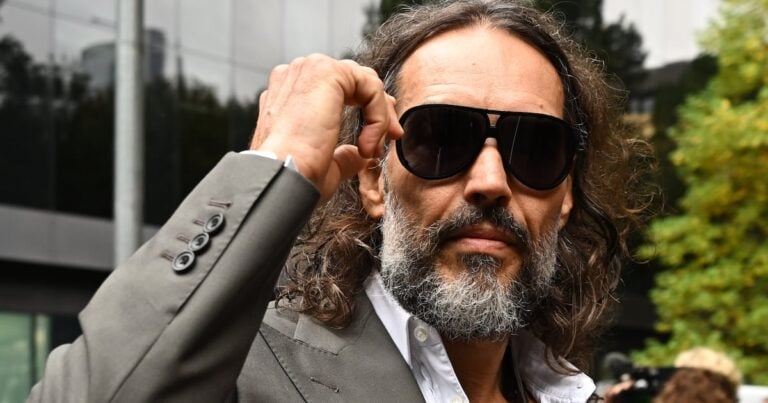
Russell Brand faces trial after jury sworn in on rape and sexual assault charges
A jury was sworn in on Tuesday, October 13, 2026, for the trial of comedian Russell Brand, who...
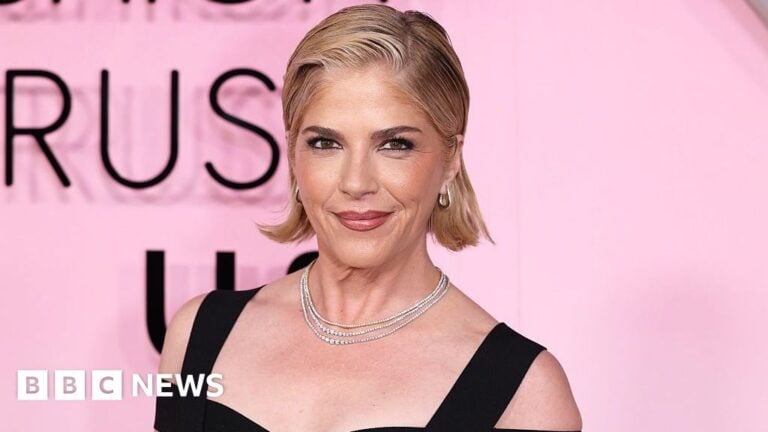
Selma Blair Arrested After Alleged Flight Attendant Assault on Delta Flight
Actress Selma Blair was arrested at John F.
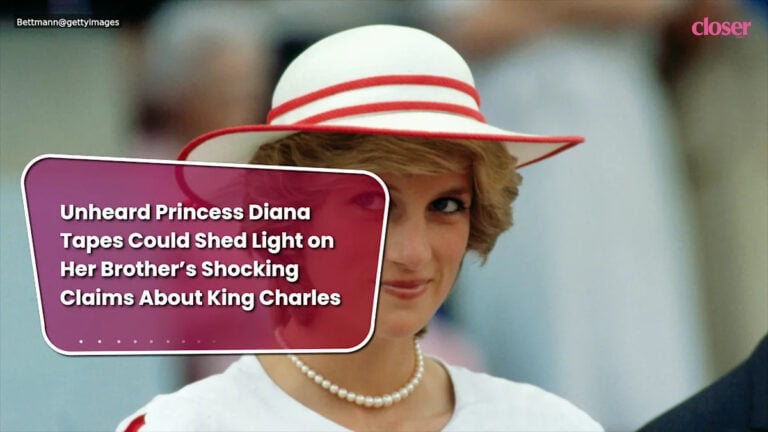
Prime Video Secures UK and Ireland Rights for Diana: Her Secret Confessions
Prime Video has acquired exclusive UK and Ireland broadcasting rights for Diana: Her Secret Confessions, a three-part documentary...