
In a recent interview, musician Ben Schwab discusses his latest project, New Season, an album that seeks to capture the sonic textures of a bygone era.
For Schwab, the frontman of the band known as Sylvie, the project began not in a modern studio, but with the discovery of a box of tapes belonging to his father.
Among those recordings was a 1976 demo by his father’s band, Mad Anthony, featuring a song titled “Rina.” Schwab found the original recording so compelling that he felt compelled to record his own version, though he faced the challenge of honoring the track’s inherent “magic” while making it his own.
The resulting album, New Season, has been described as a time machine for listeners raised on the sounds of the 1970s, including the catalogs of Carole King and The Byrds. Schwab attributes this aesthetic to his own creative DNA, noting that he utilizes the “old form and the old tools” of production and arrangement to ground his work.
“Well, I think it’s just in my DNA, you know, and it’s kind of like I just use the old form and the old tools that they had and the same approach with the production and the chord change and the arrangements. But we don’t just want to recreate the past, right? The songs are very true to things that are actually happening in my life and other people’s lives, and we’re really putting ourselves in it, Schwab told the host.”
Sylvie is not a traditional band, but rather a fluid recording project that took shape during the COVID-19 pandemic. With creative energy pent up and time suddenly abundant, Schwab began funneling his ideas into collaborations with friends. This approach allows for a “rotating cast of members” rather than a fixed lineup, providing the project with an inherent sense of freedom.
The album opens with a cover of “Are You Coming?”, a song by the obscure Canadian folk singer Darcy Draper. Schwab admitted that he has been unable to locate Draper to discuss the cover, though he has ensured that proper publishing royalties are being paid. The song was chosen for its universal sentiment, serving as an ideal entry point for the record’s themes.
The influence of California—where Schwab resides—is also a central pillar of the album’s sound. He points to the state’s culture of migration and ambition as a catalyst for his creative output over the last decade, noting that the diverse group of people he has met in the West has deeply informed his musical direction.
When asked about the current appetite for an old-school aesthetic, Schwab expressed a belief that listeners gravitate toward authenticity regardless of the era. He argues that the organic, natural qualities of older recording methods provide a stark contrast to contemporary production standards, creating a space for music that feels human and immediate.
This commitment to a specific tone is evident in tracks like “Traveling,” which evokes the harmonies and arrangements of early Crosby, Stills & Nash. By focusing on the sentiment of the songwriting, Schwab aims to create a body of work that stands outside of the usual industry cycles.
Whether this sound will continue to resonate with a broader audience remains to be seen, but for Schwab, the project serves as a necessary outlet for his creative expression. The success of New Season rests on this bridge between the personal history found in his father’s tapes and the collaborative, present-day reality of his life in California.
Worth a look

Federal Telework Drops 73% Due to Presidential Priority, OPM Says
Federal telework plummeted by 73% from fiscal 2024 to 2025. According to the annual report to Congress released...
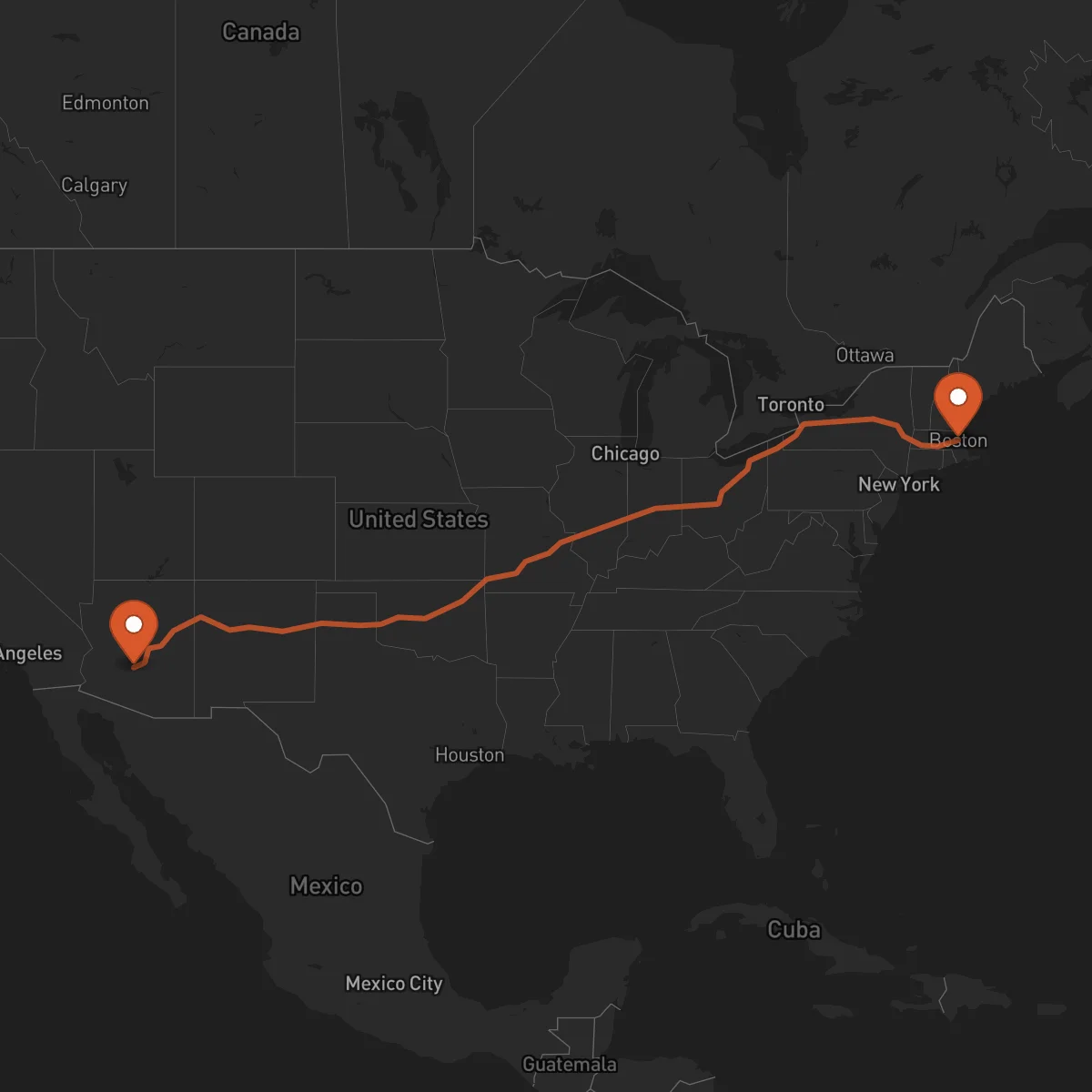
Car Shipping Costs and Transit Times From Phoenix to Boston
Shipping a vehicle from Phoenix, Arizona, to Boston, Massachusetts, involves a 2,640-mile journey that typically costs between $1,850...

Internationally Acclaimed Architect Robert Oshatz Has Unveiled His Latest Residential Project
Internationally acclaimed architect Robert Oshatz has unveiled his latest residential project, a striking, modern home in Portland’s West...

NTSB: Steering Failure on Tanker Led to New Orleans Boat Collision
The Atlantic Asphalt tanker struck the docked paddlewheel cruise boat American Heritage on the Mississippi River in New...